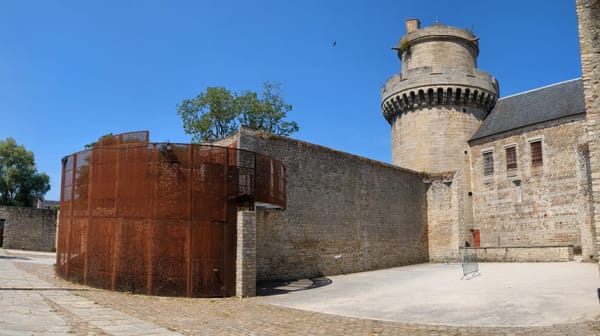
Walking through history at Omaha Beach
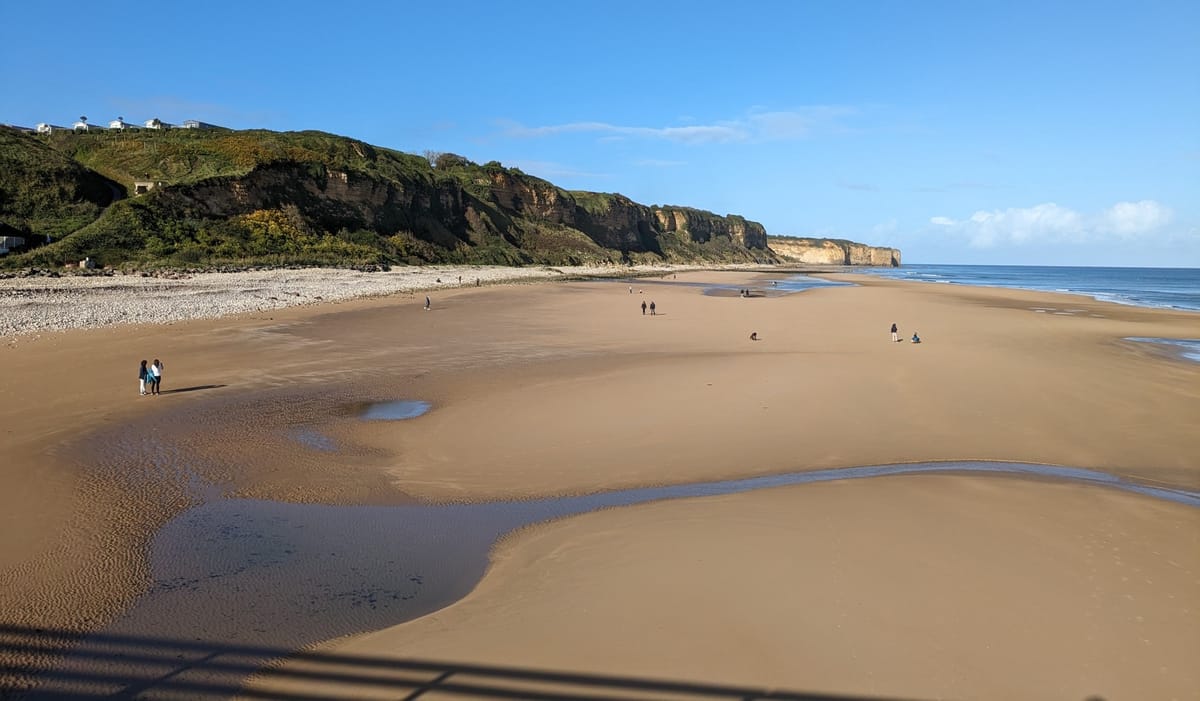
The Costliest Shore in Normandy
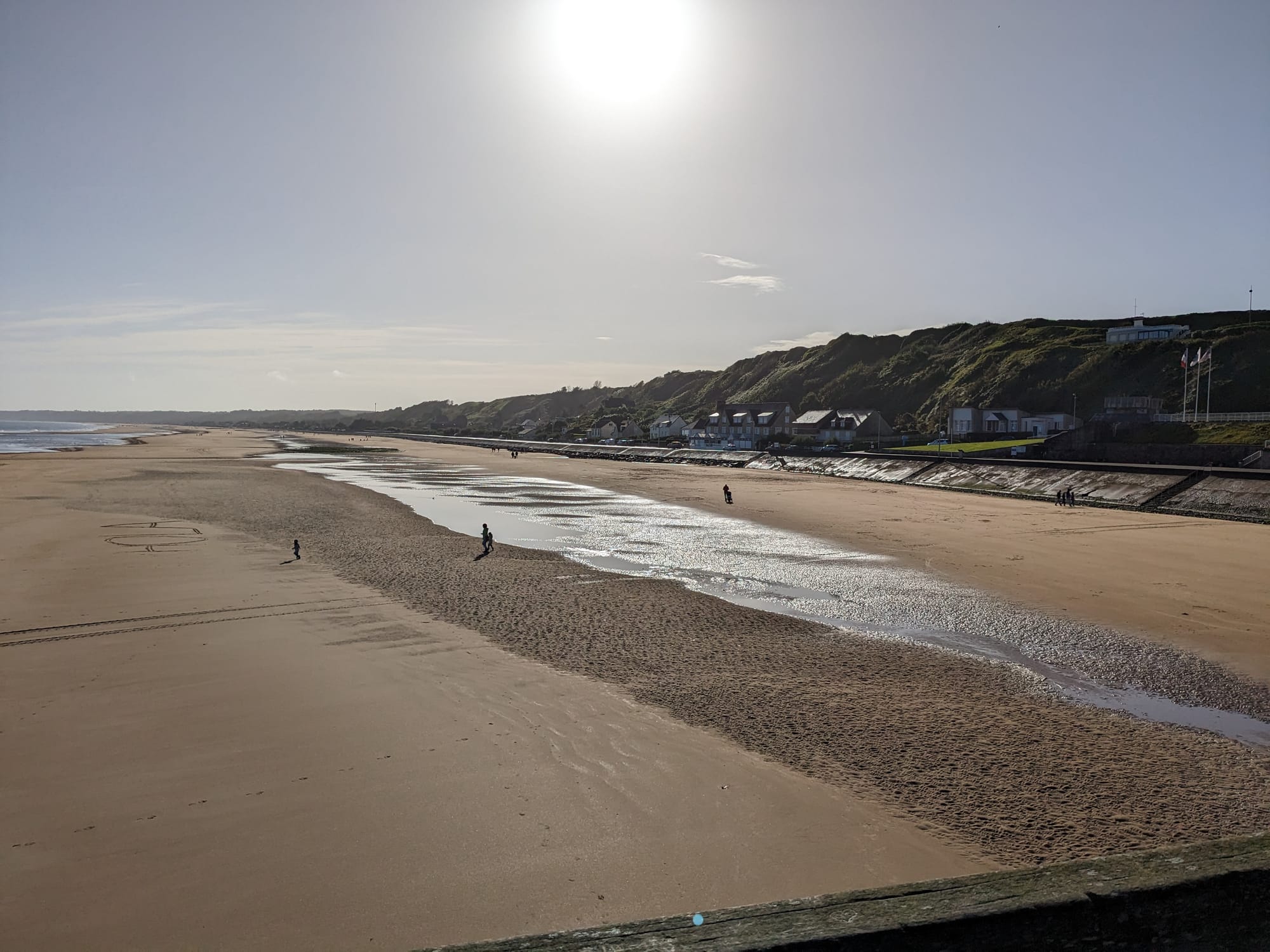
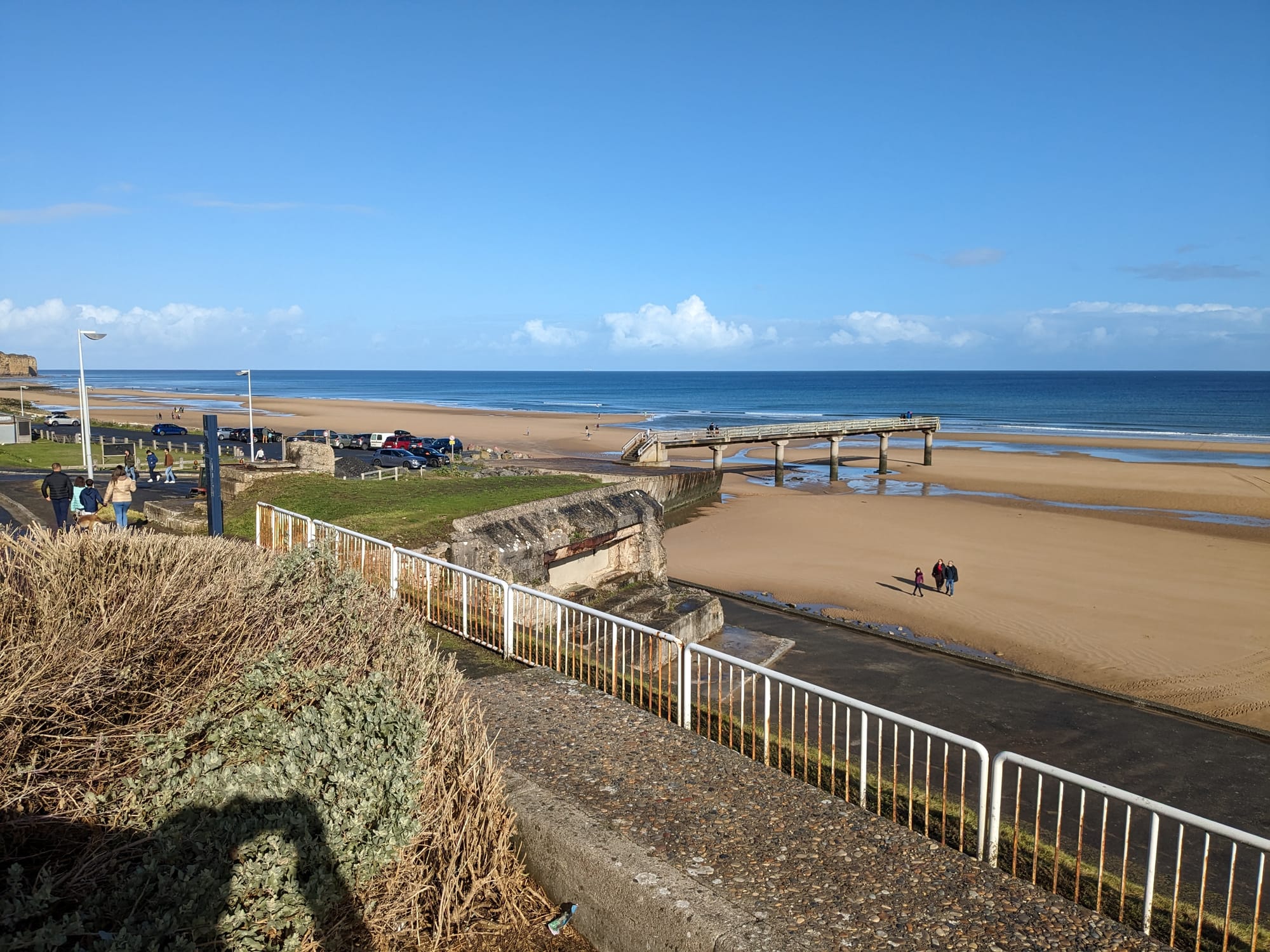
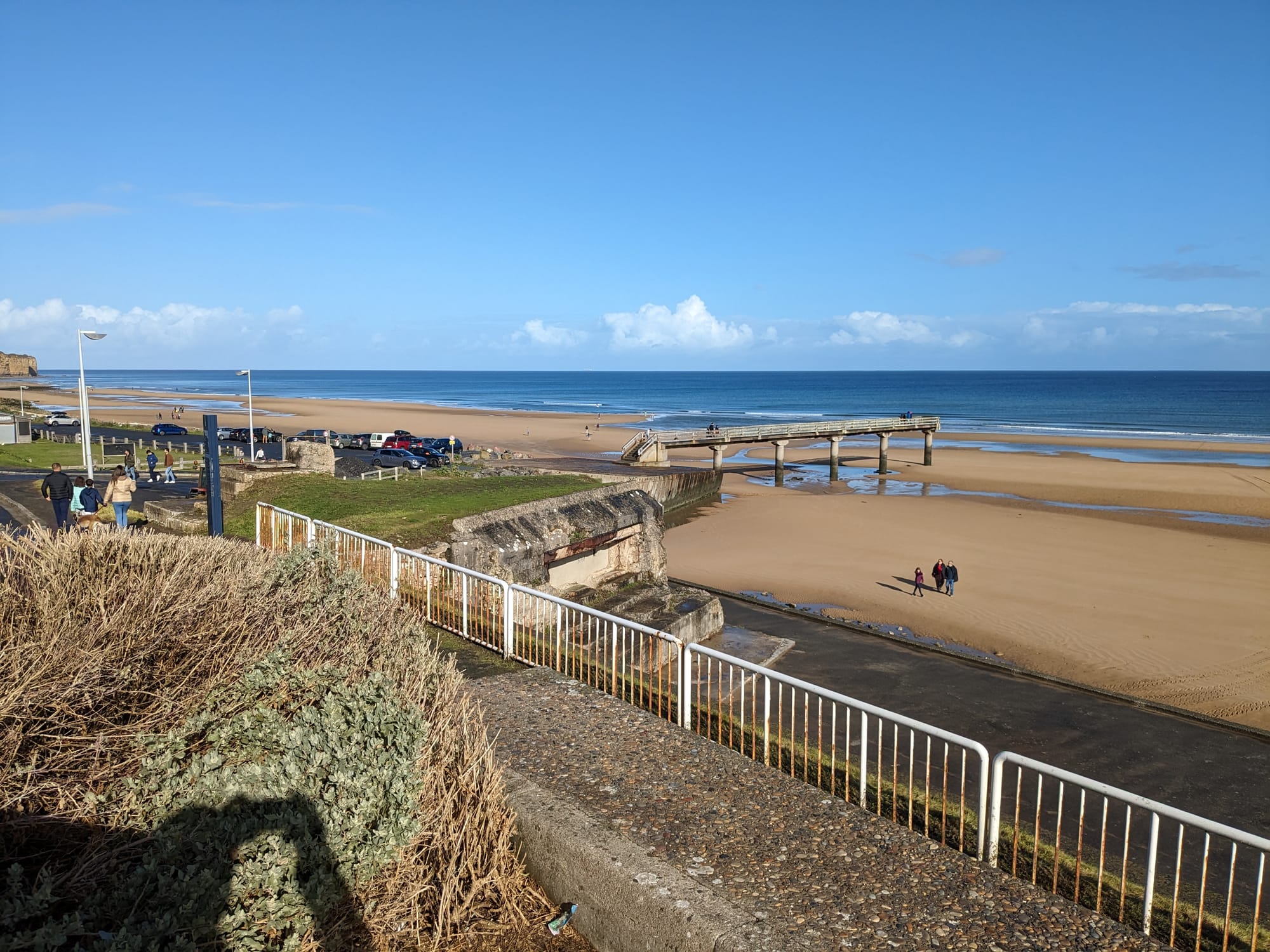
Omaha Beach is the part of D‑Day that still feels raw. Even now, standing on its long, sloping sand, it’s impossible not to sense the weight of what happened there on 6 June 1944. Unlike Utah Beach—where fortune and improvisation aligned—Omaha was a brutal collision between meticulous planning and unforgiving reality.
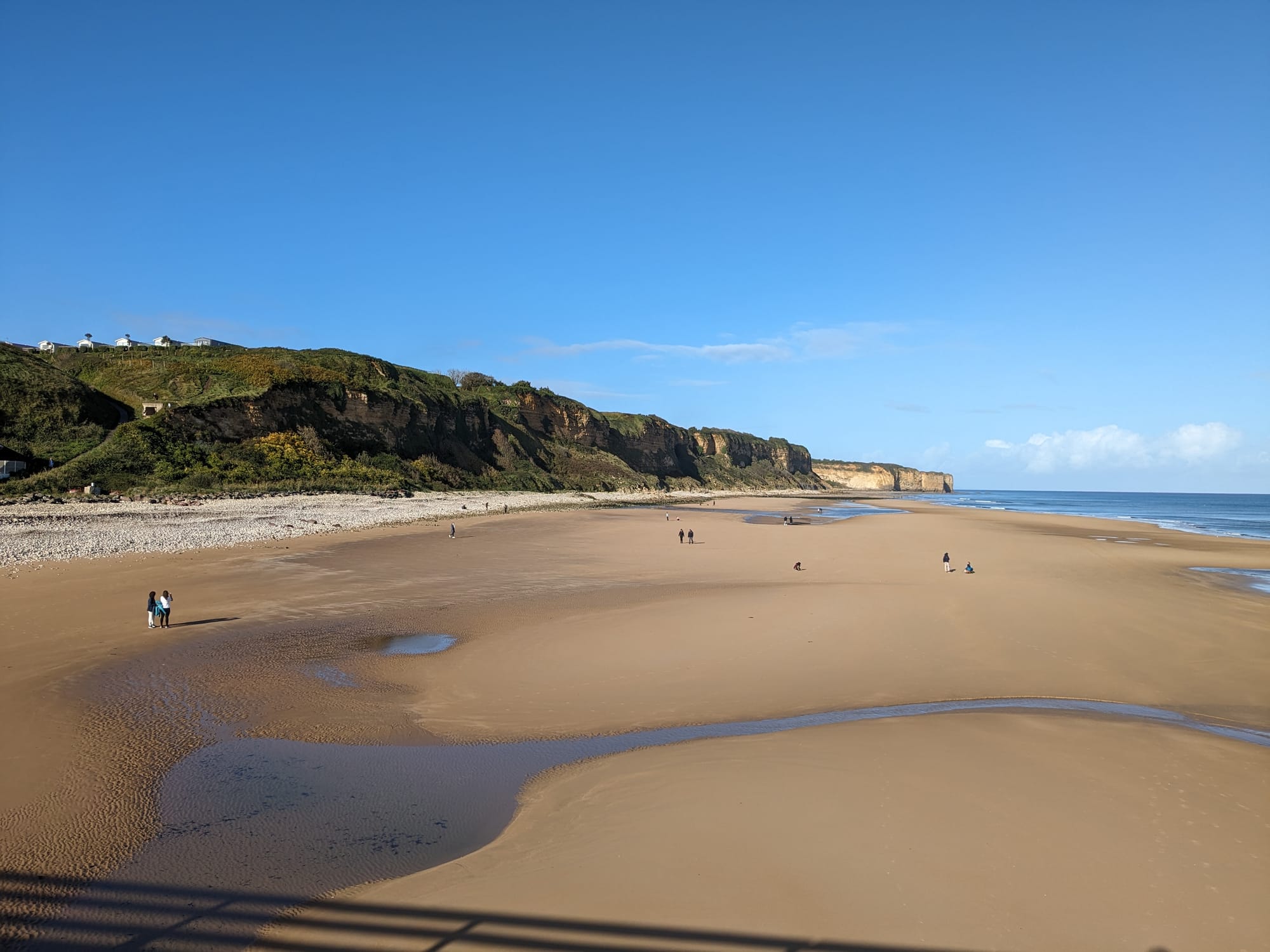
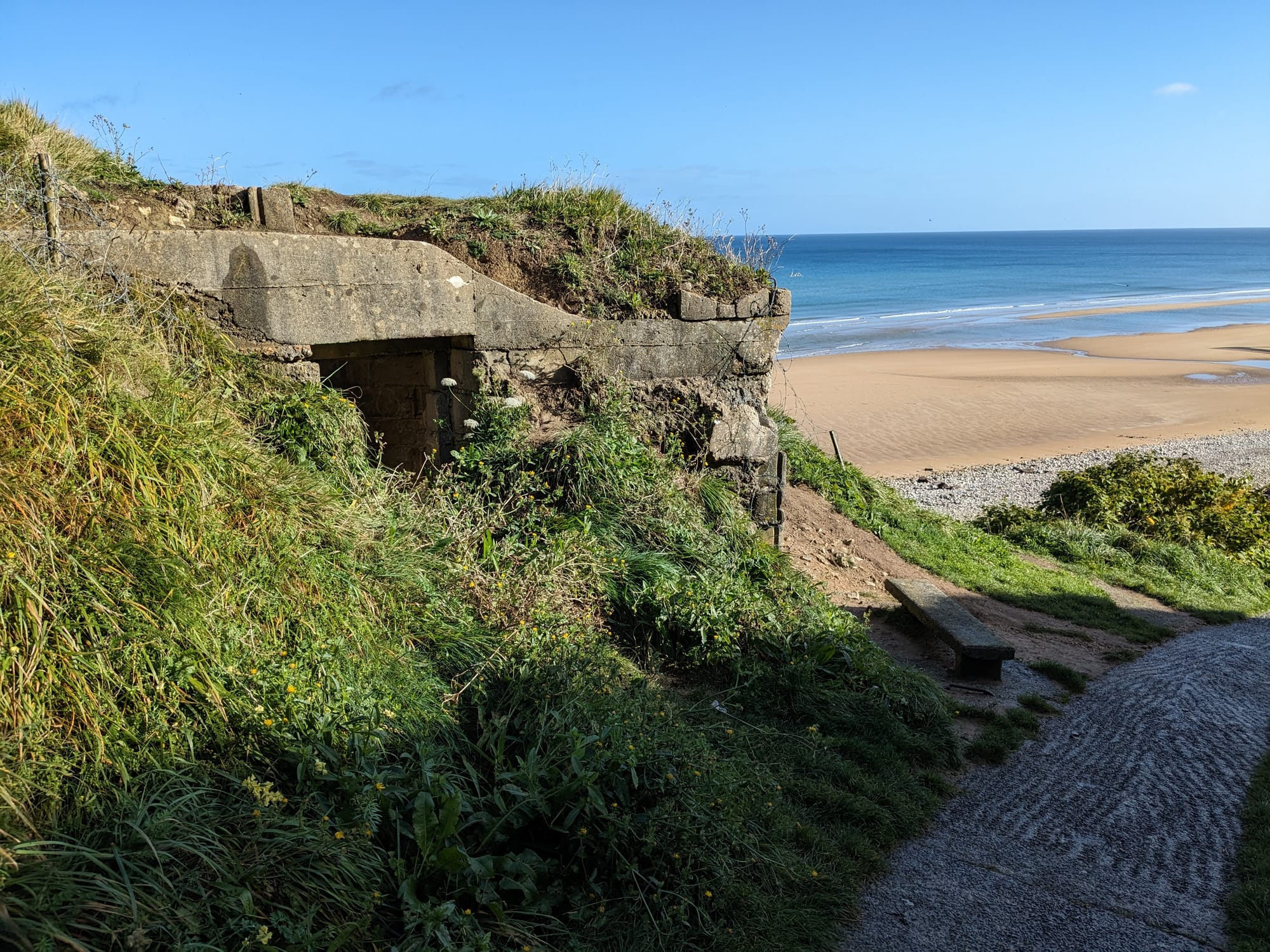
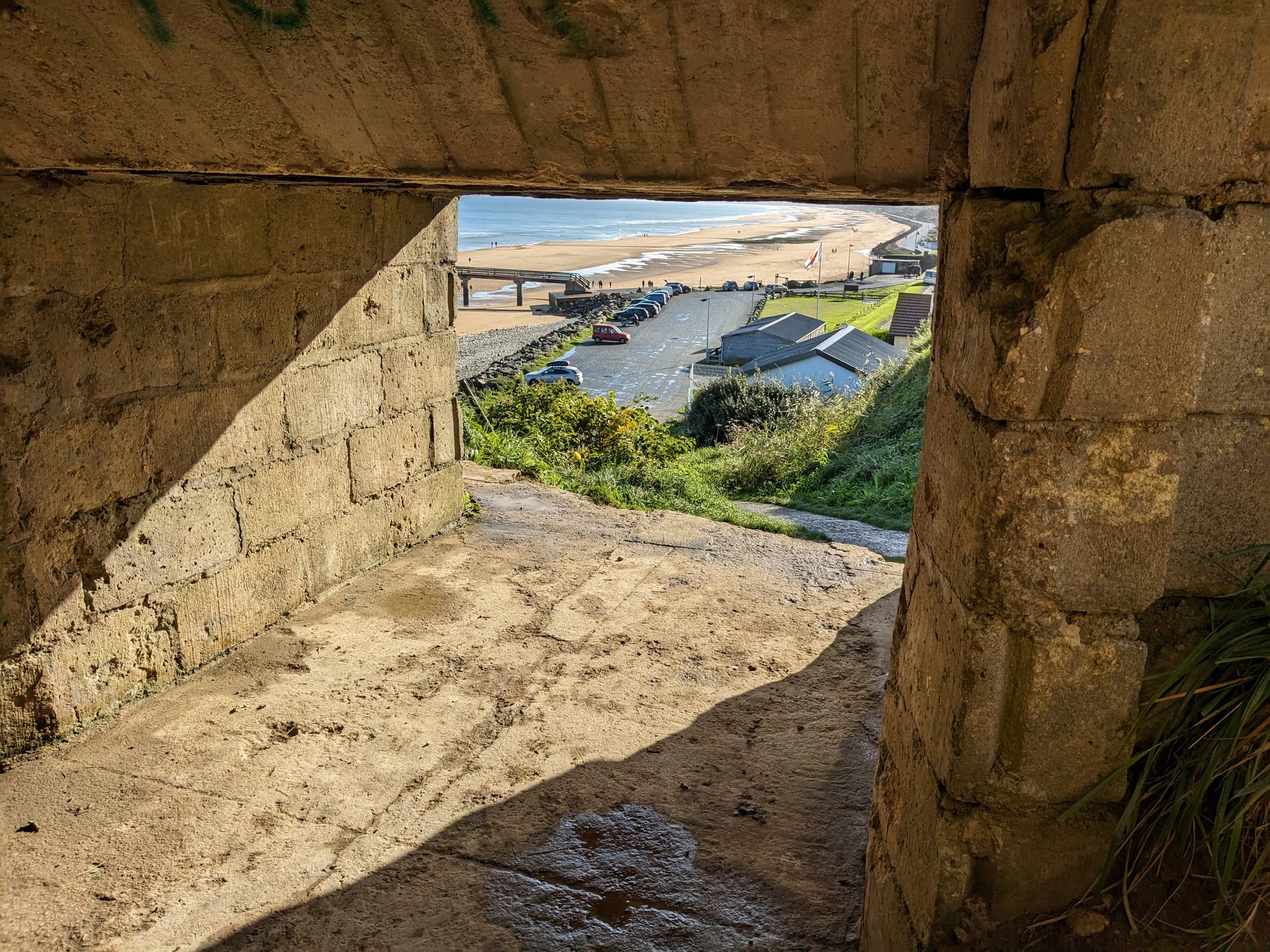
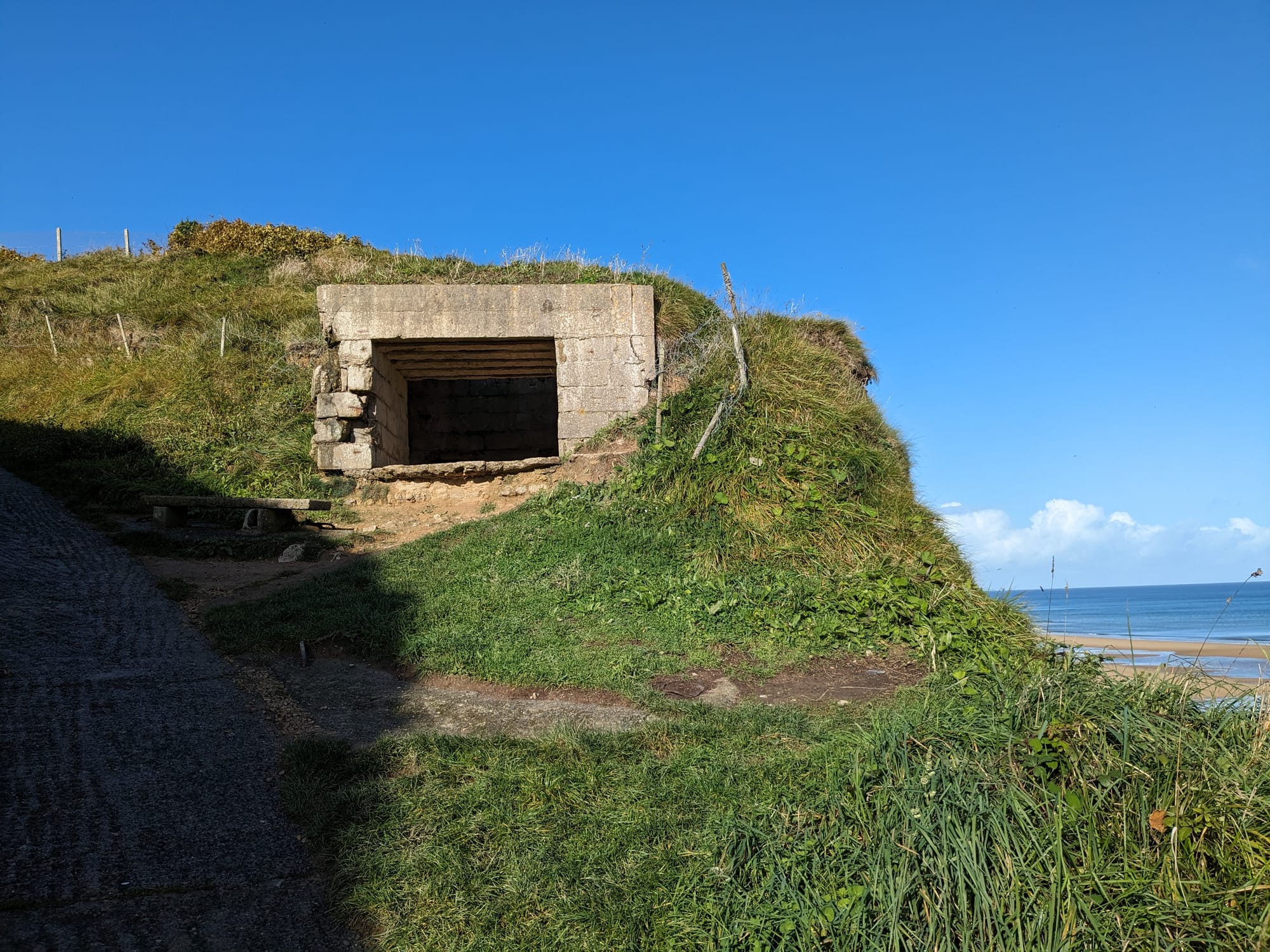
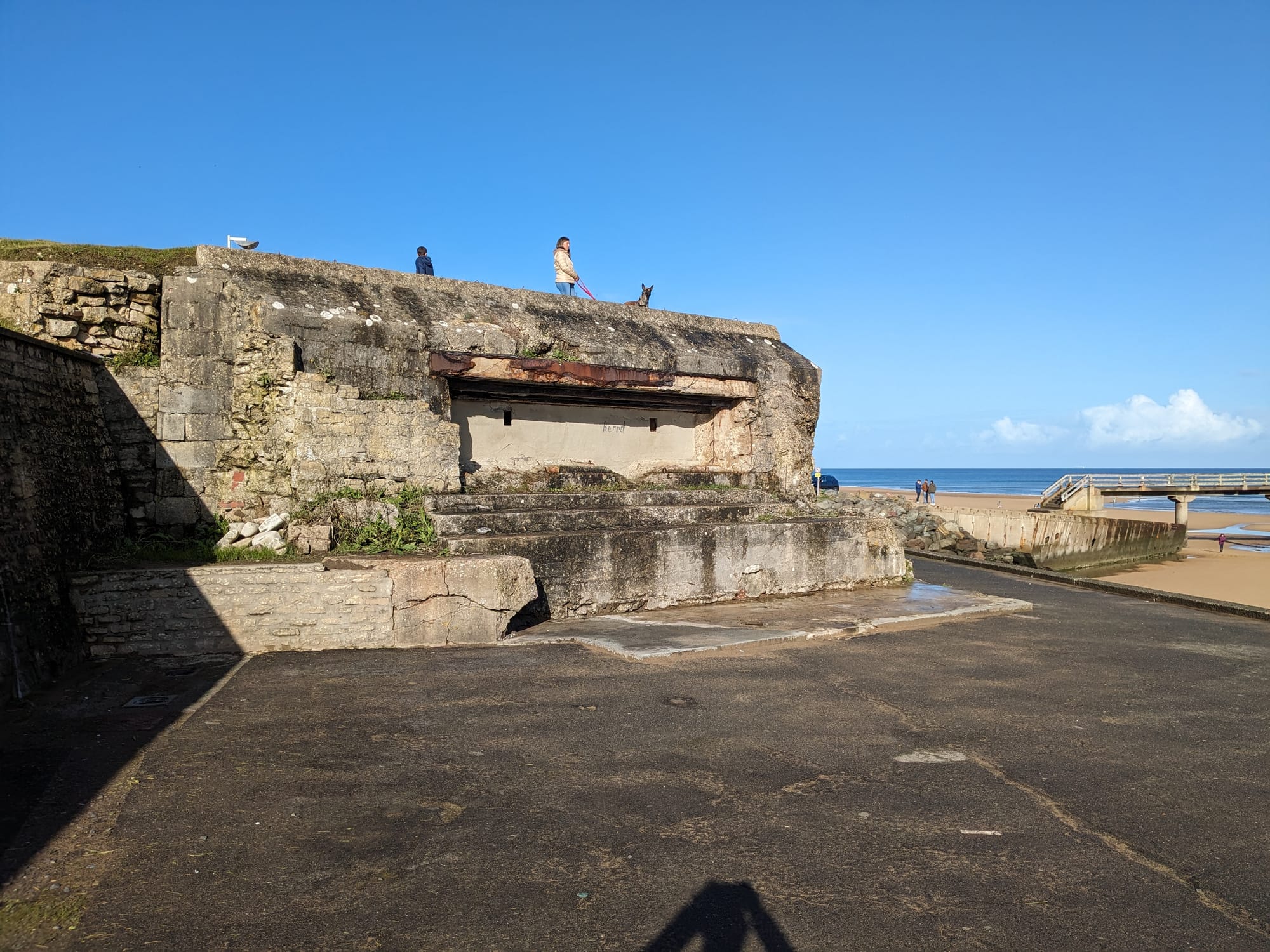
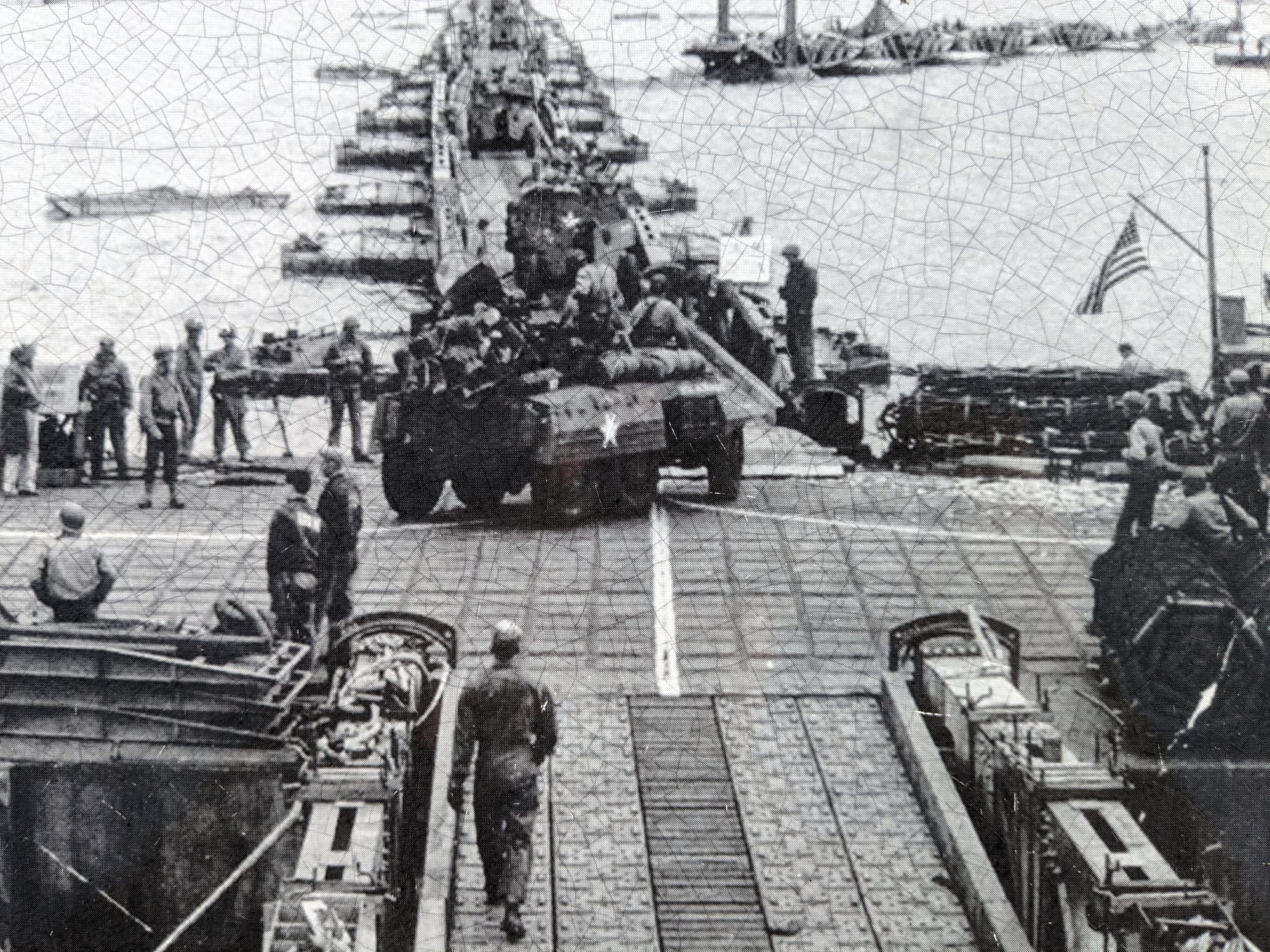
American forces of the 1st and 29th Infantry Divisions landed directly in front of some of the strongest German defences in Normandy. High bluffs, interlocking machine‑gun nests, mined obstacles, and rough seas turned the first waves into chaos. Landing craft drifted off course, tanks sank before reaching shore, and infantry stepped into deep water under immediate fire.
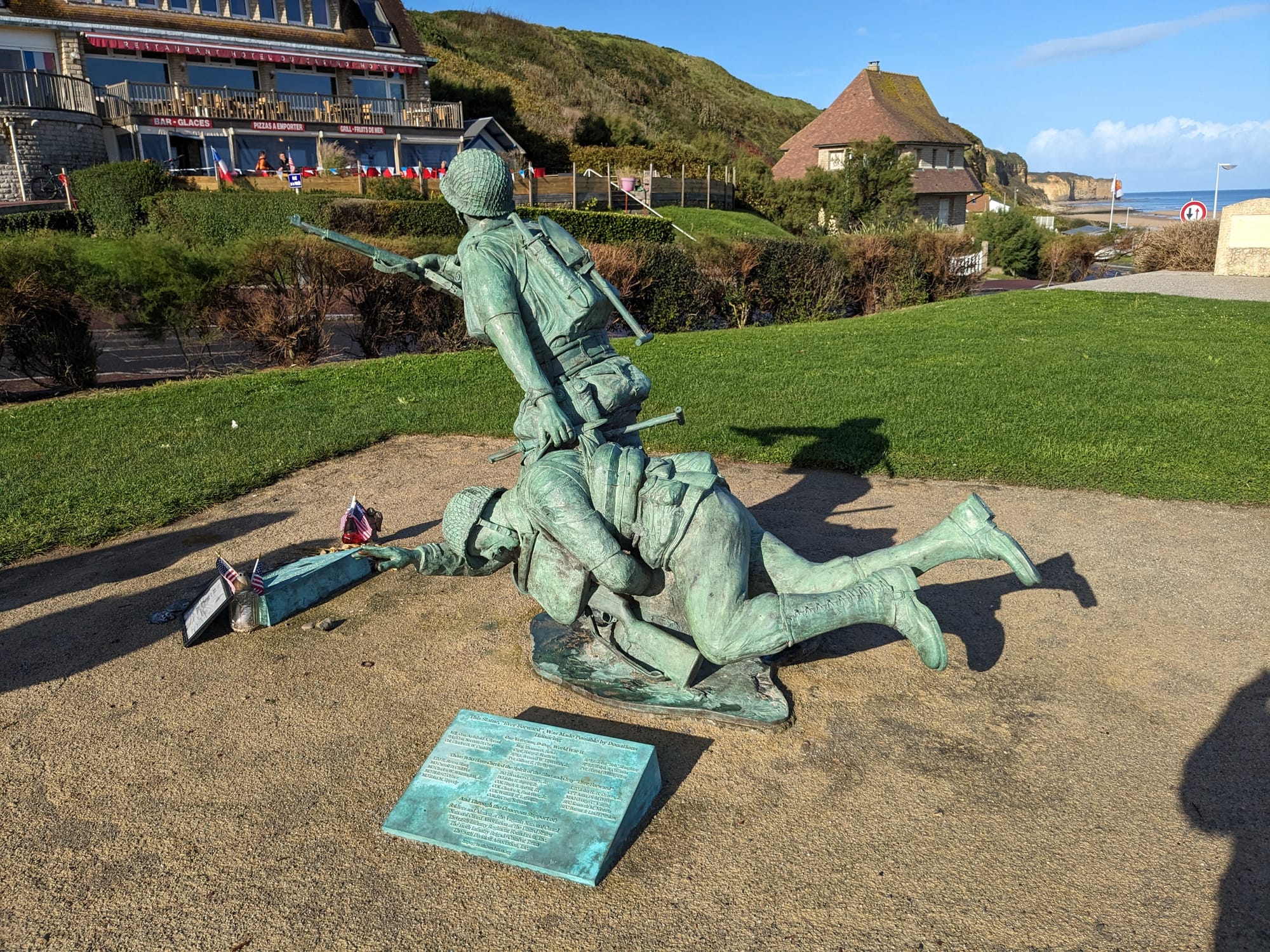
For hours, progress was measured in yards. What changed the tide wasn’t luck—it was small groups of soldiers pushing forward without orders, engineers blowing gaps through obstacles under fire, and officers rallying whoever they could find. By afternoon, the beachhead was secure, but the cost was staggering.
Today, Omaha Beach is quiet, almost serene. The American Cemetery above it, with its rows of white crosses and Stars of David, gives the landscape a solemn clarity: this was the hardest‑won ground of D‑Day, and its legacy is carved into both the sand and the memory of the war.