The legacy of Juno Beach in the Normandy invasion
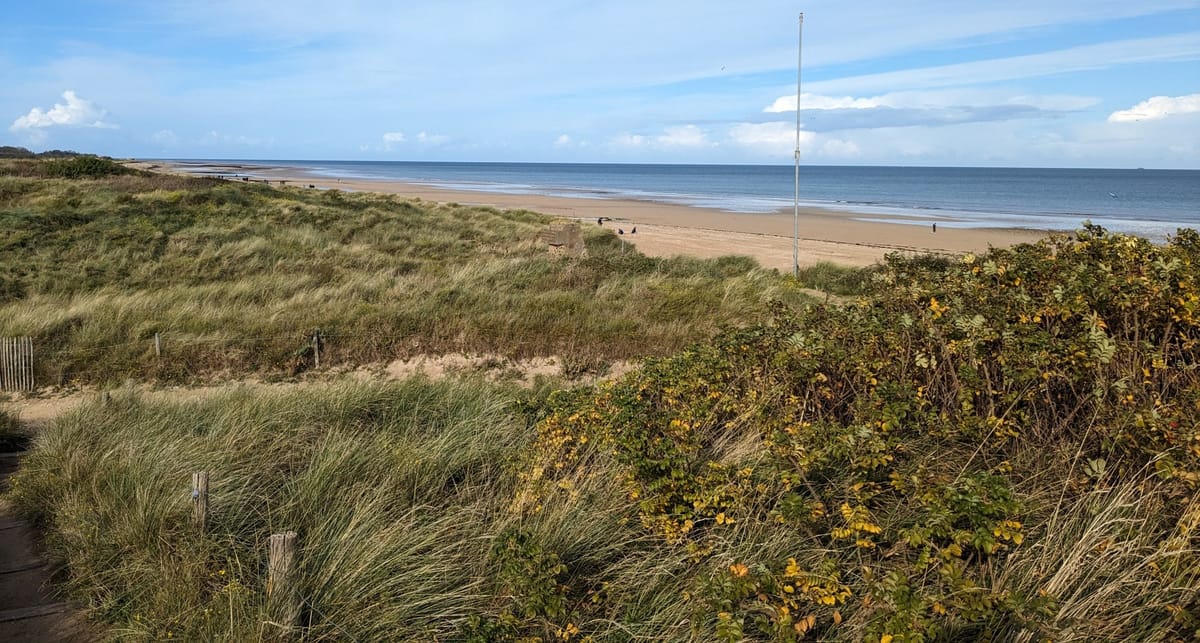
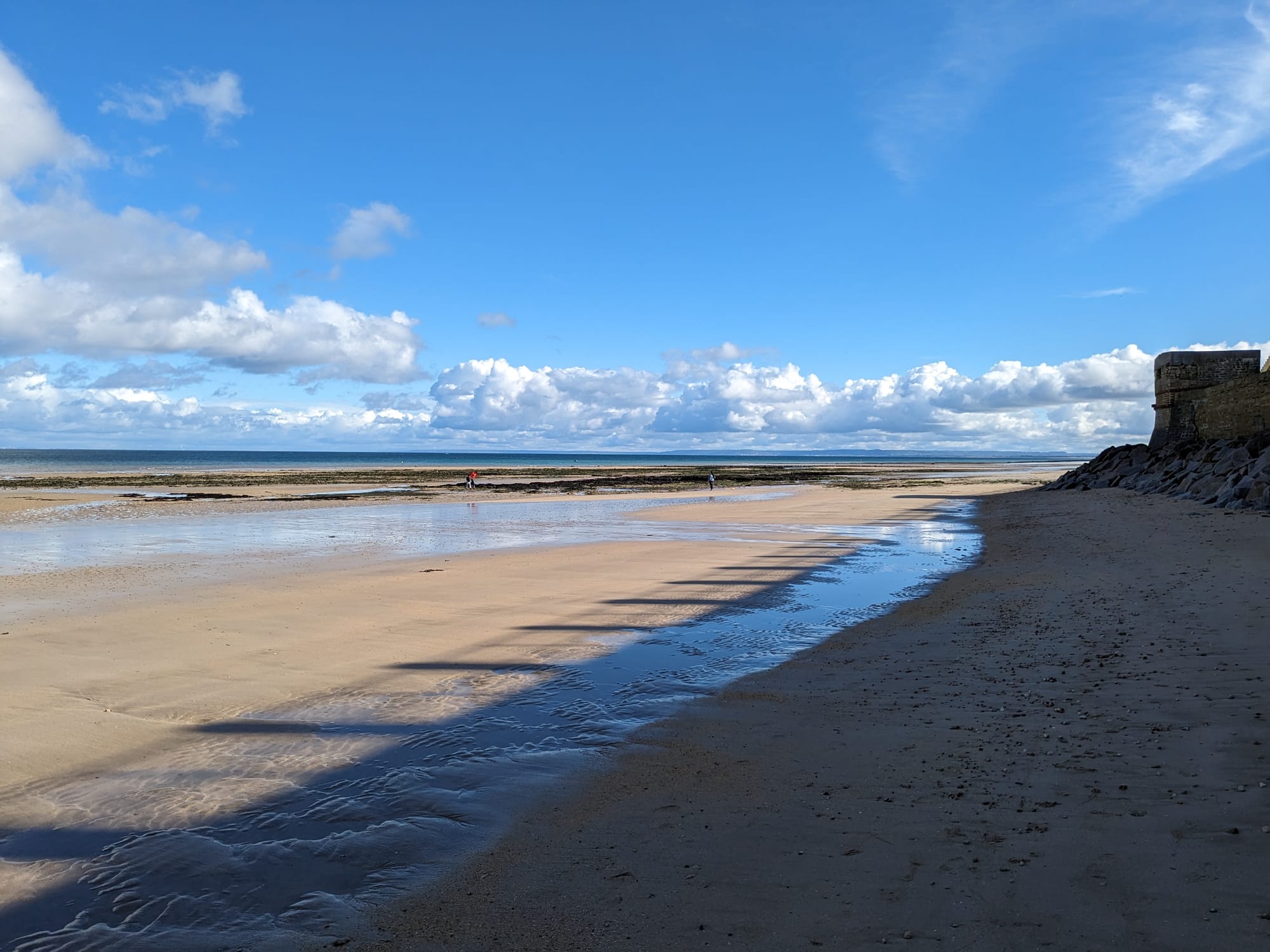
One of the five beaches of the Allied invasion of German-occupied France in the Normandy landings on 6th June 1944 during the Second World War was Juno Beach. The beach spanned from Courseulles, a village just east of the British beach Gold, to Saint-Aubin-sur-Mer, and just west of the British beach Sword.
The responsibility of taking Juno was given to the First Canadian Army, with sea transport, mine sweeping, and a naval bombardment force provided by the Royal Canadian Navy and the British Royal Navy as well as elements from the Free French, Norwegian, and other Allied navies.
The objectives of the 3rd Canadian Infantry Division on D-Day were to cut the Caen-Bayeux road, seize the Carpiquet airport west of Caen, and form a link between the two British beaches on either flank. The beach was defended by two battalions of the German 716th Infantry Division, with elements of the 21st Panzer Division held in reserve near Caen.
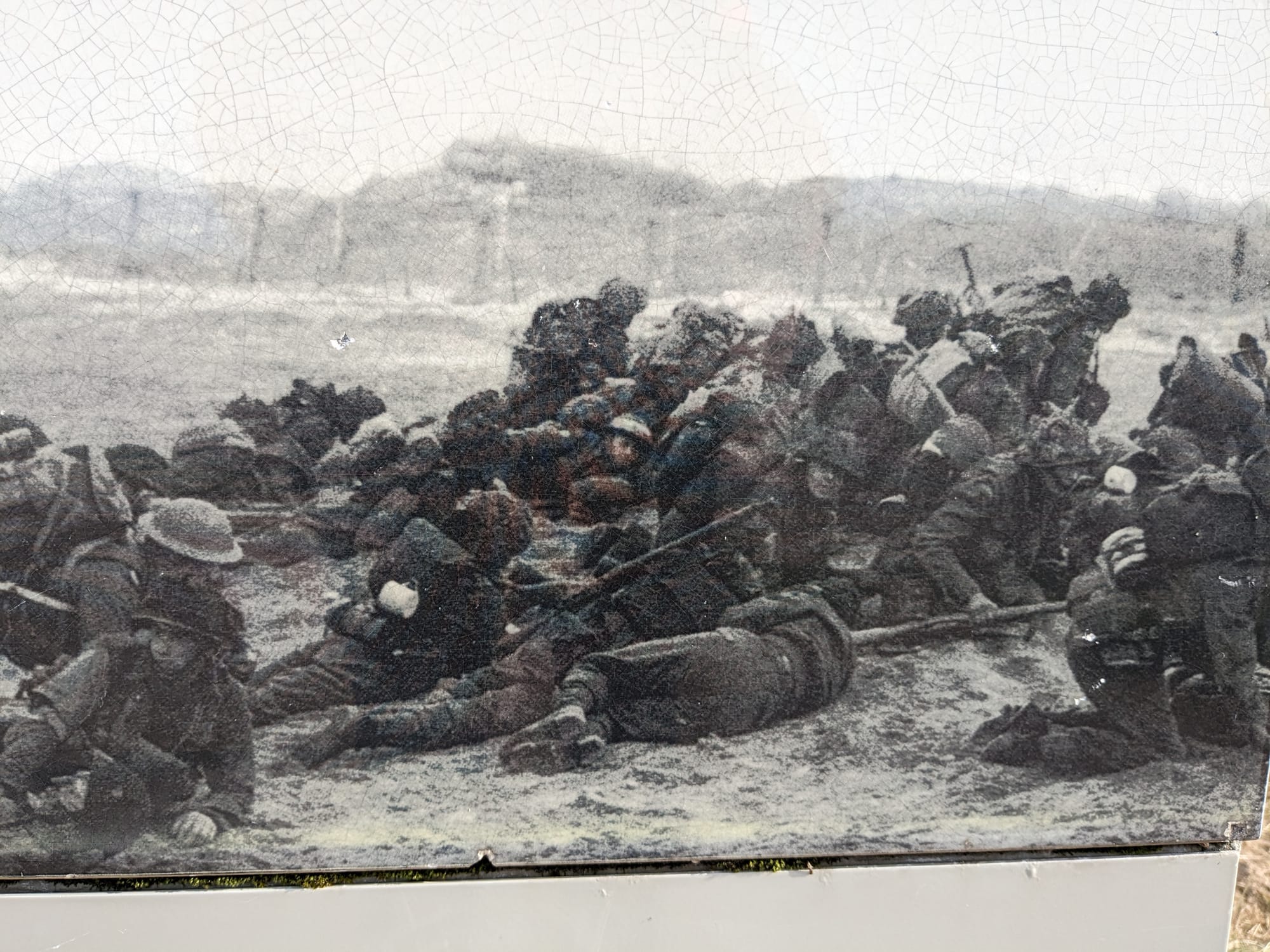
The invasion plan called for two brigades of the 3rd Canadian Division to land on two beach sectors—Mike and Nan—focusing on Courseulles, Bernières and Saint-Aubin. It was hoped that the preliminary naval and air bombardments would soften up the beach defences and destroy coastal strong point. Despite facing heavy resistance from the German 716th Division, several assault companies took heavy casualties in the opening minutes of the first wave. However, by midnight, they had cleared exits off the beach, advanced several miles inland and joined up with the British at Gold. The victory at Juno Beach marked a significant step forward in World War II and led to the liberation of Europe and the defeat of Nazi Germany.
The total casualties on Juno Beach, which includes those killed, wounded, and taken prisoner, were approximately 961. This includes 340 men killed, 574 wounded, and 47 taken prisoner.
Cosy’s bunker
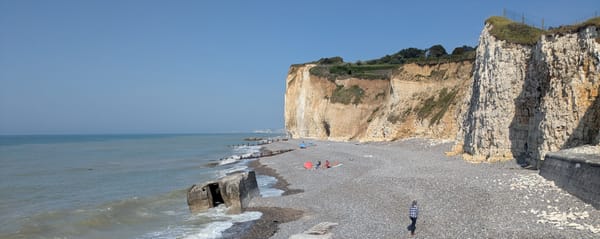
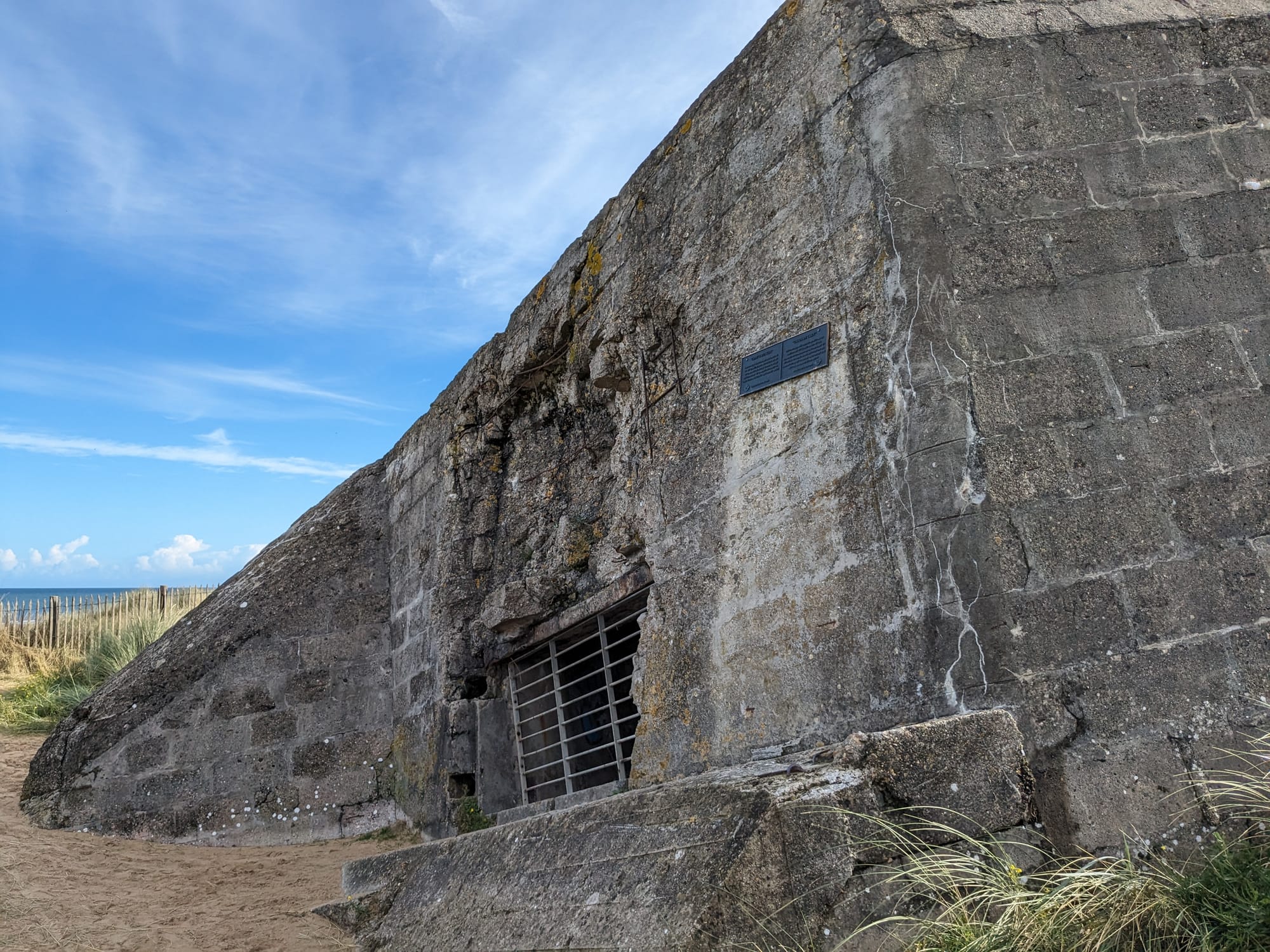
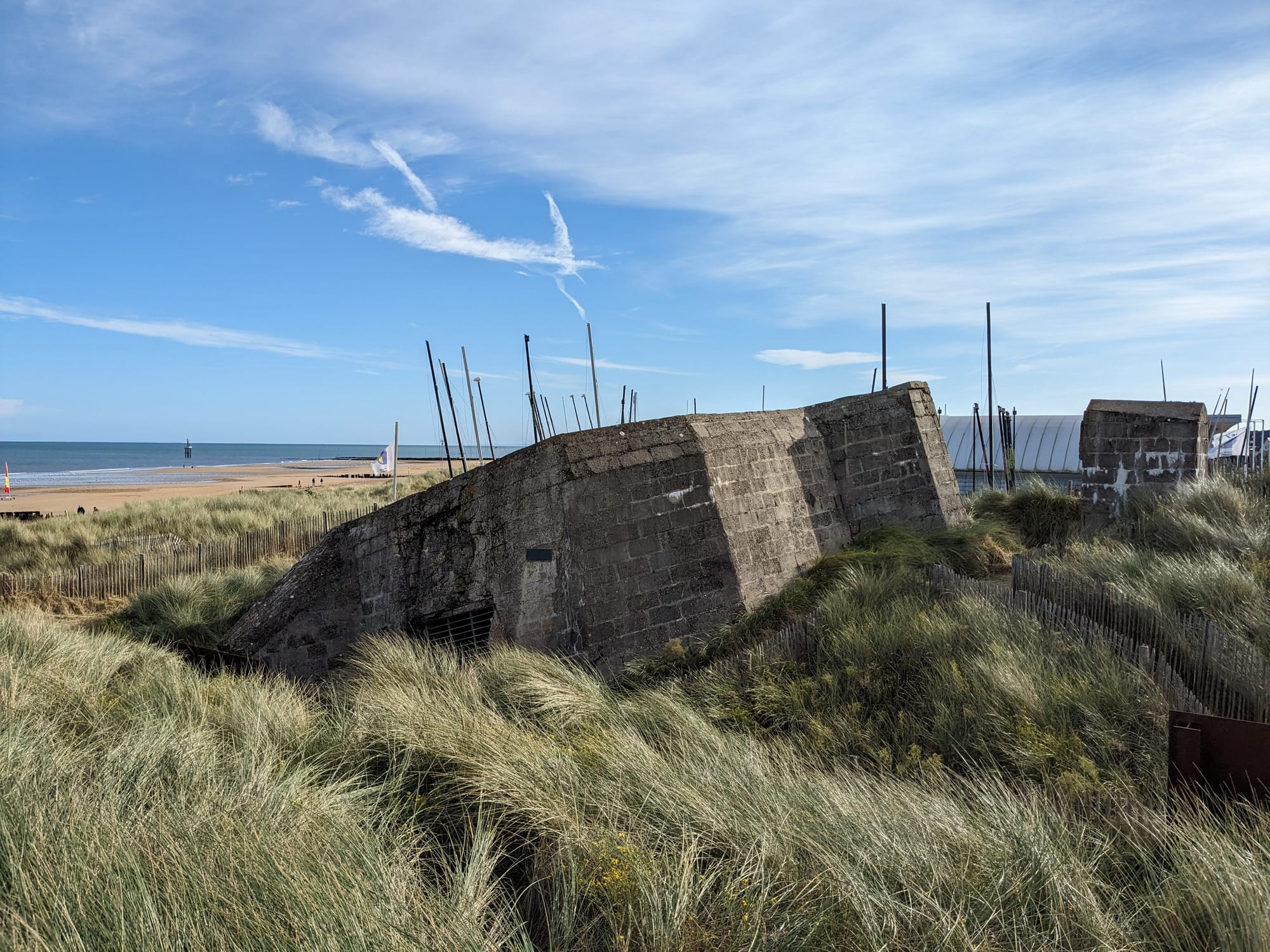
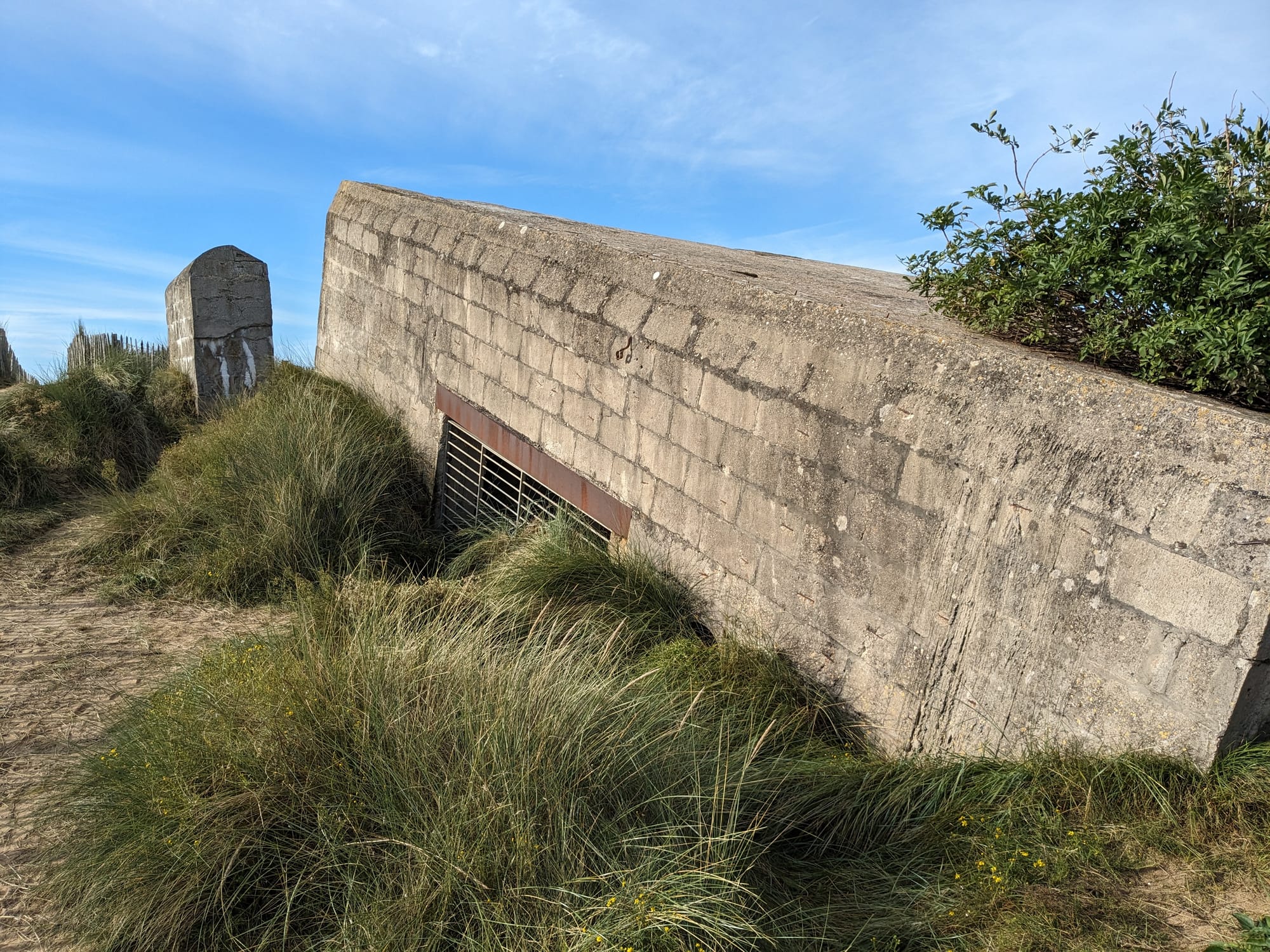
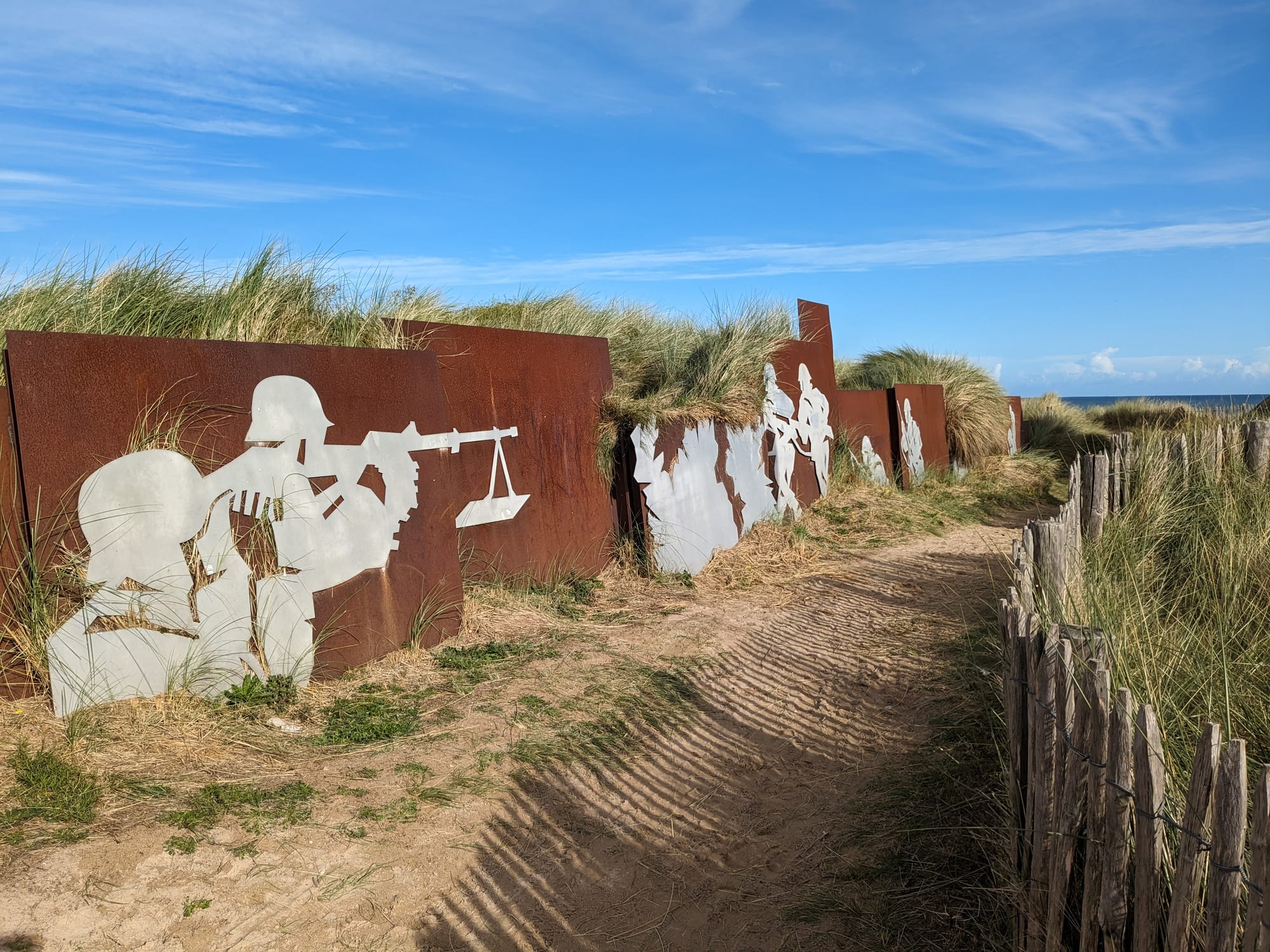
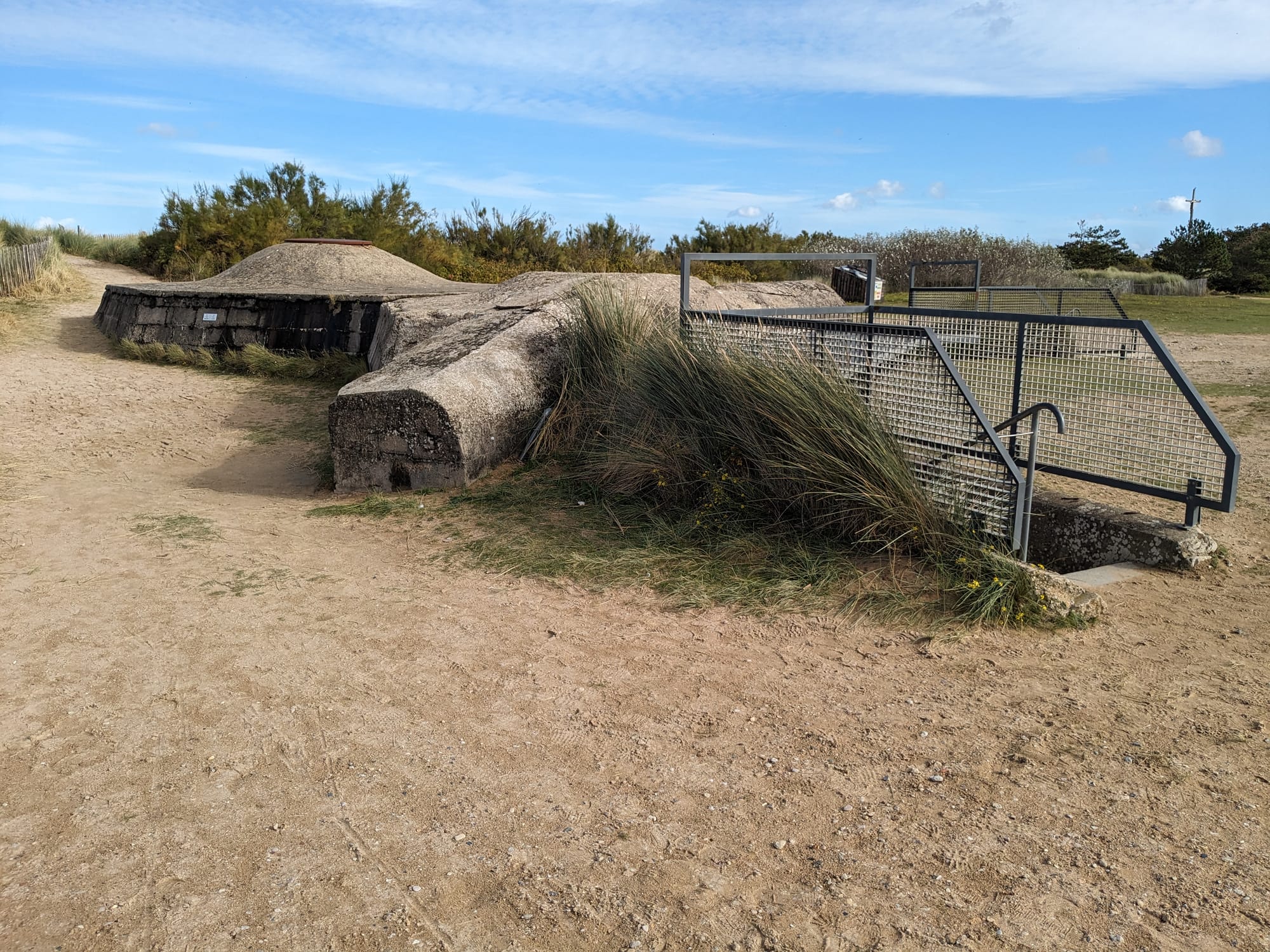
Cosy’s bunker, easily recognisable by its tilt, was the site of fierce fighting on 6th June 1944. It owes its name to Sergeant Cosy a Canadian soldier who was entrusted with the mission of capturing the fortification with 15 men from the B Company of the Royal Winnipeg Rifles.
At first assault by machine-gun and grenade enabled them to capture the position, but Sgt Cosy was hit in the chest. Engineer reinforcements arrived with around 150 men and a subsequent explosion toppled the pillbox and the Germans surrendered, but only 27 men survived this valiant and difficult battle in the sand dunes.
Tank 1 Charlie: A Symbol of Grit in the Liberation of France
Machines like 1 Charlie often led the push into newly liberated towns, absorbing fire, returning it with precision, and giving infantry the confidence to move behind them. Whether rumbling through narrow village streets or cresting open fields under grey skies, 1 Charlie stands as a reminder of the grit, danger, and determination that defined the campaign—an emblem of crews who fought not for glory, but to push the line forward one hard‑won metre at a time.
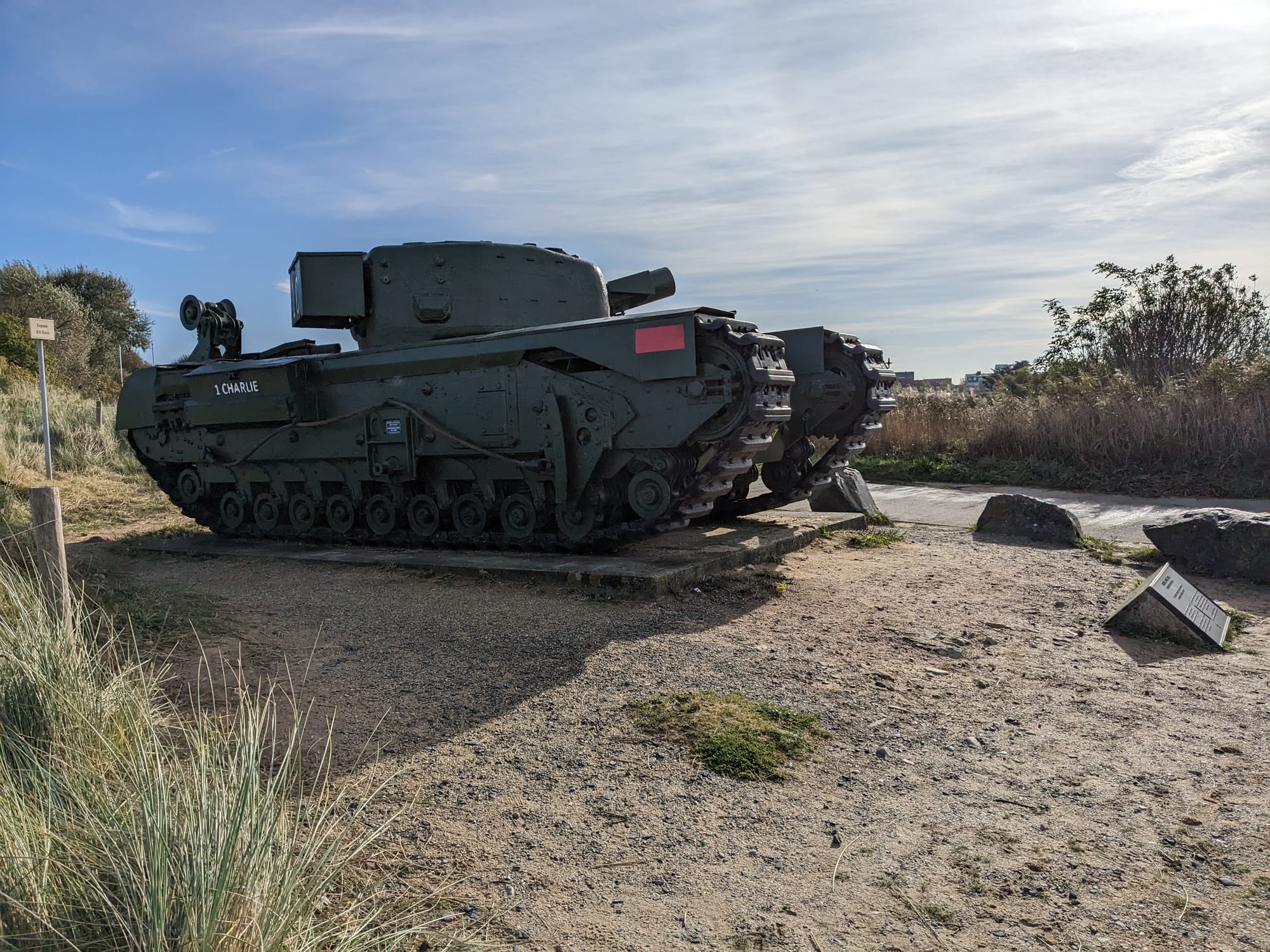
What actually happened to 1 Charlie
1 Charlie was a Churchill AVRE (Armoured Vehicle Royal Engineers) that landed on Juno Beach on D‑Day, 6 June 1944. Shortly after coming ashore near Mike Red Sector, the tank became bogged down and buried in the soft ground just behind the beach. Attempts to recover it failed under fire, and the crew were forced to abandon it as the battle moved inland. Over time, shifting sand and roadworks completely swallowed the tank, leaving it hidden beneath the surface for decades.
In the 1970s, during local construction work, the buried tank was rediscovered—still recognisably 1 Charlie. It was recovered, restored, and placed on display near Graye‑sur‑Mer, close to the Juno Beach Memorial, where it stands today as a preserved D‑Day relic.
Modern Royal Engineers units, including 26 Armoured Engineer Squadron, still maintain a ceremonial connection to 1 Charlie and have even repainted it during commemorative visits