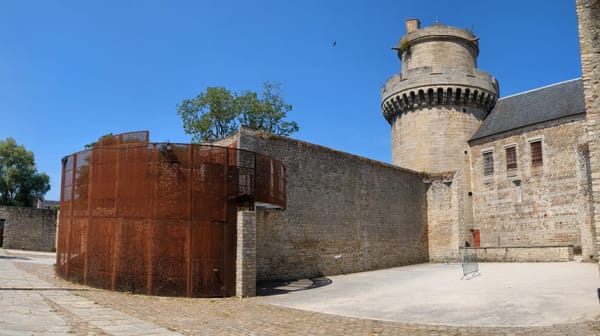
Carcassonne: Medieval Walls, Modern Legs & A City That Really Likes Restaurants
Our Carcassonne stopover took us from a riverside walk into the medieval walled city — a maze of ancient towers, restaurants and tourist tat — before wandering into the newer part of town for a glimpse of real local life.
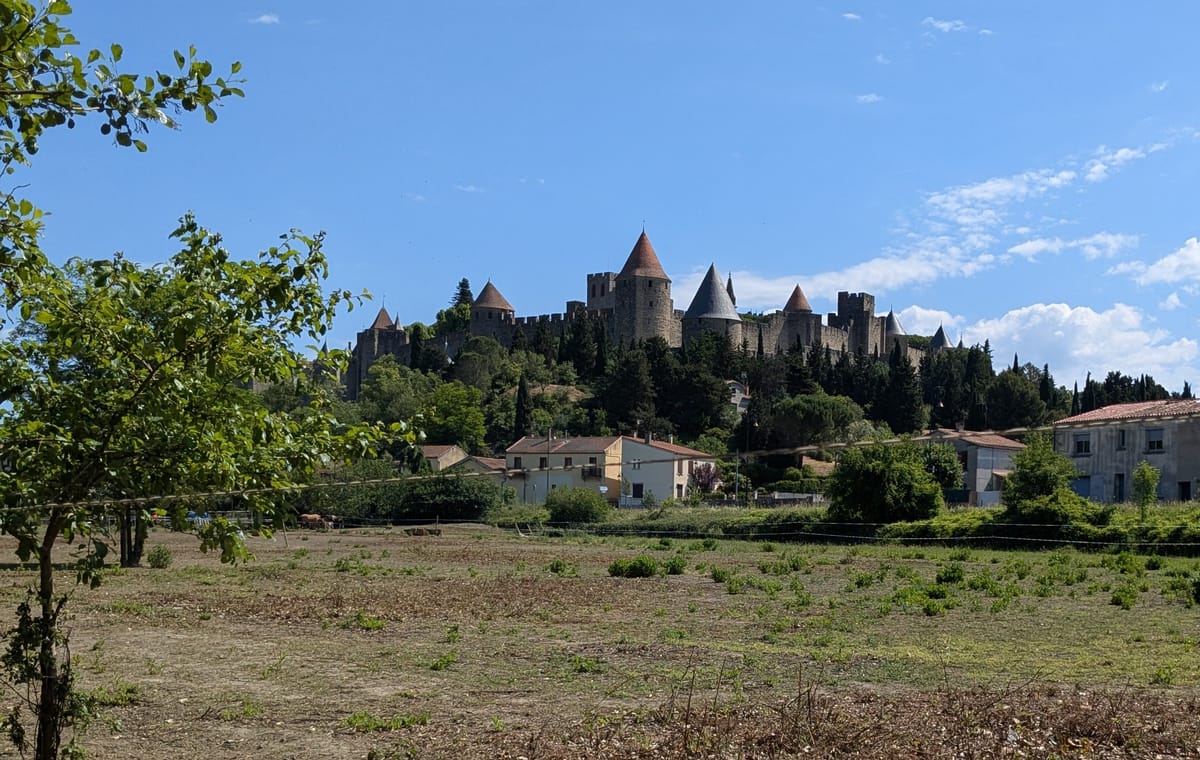
Some days you cycle. Some days you walk, and some days you look at the hill leading to Carcassonne and think, “No. The bikes can stay exactly where they are.”
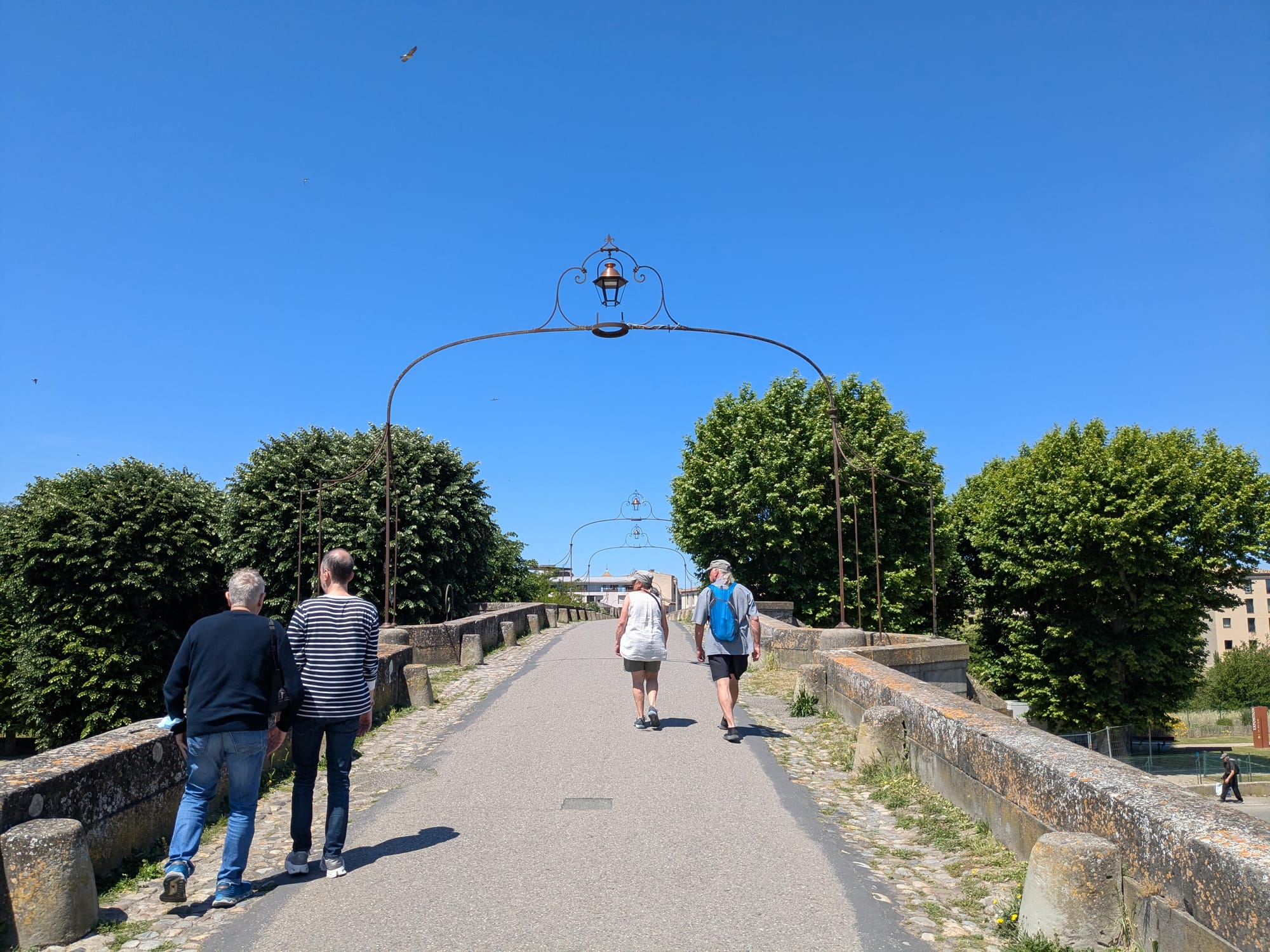
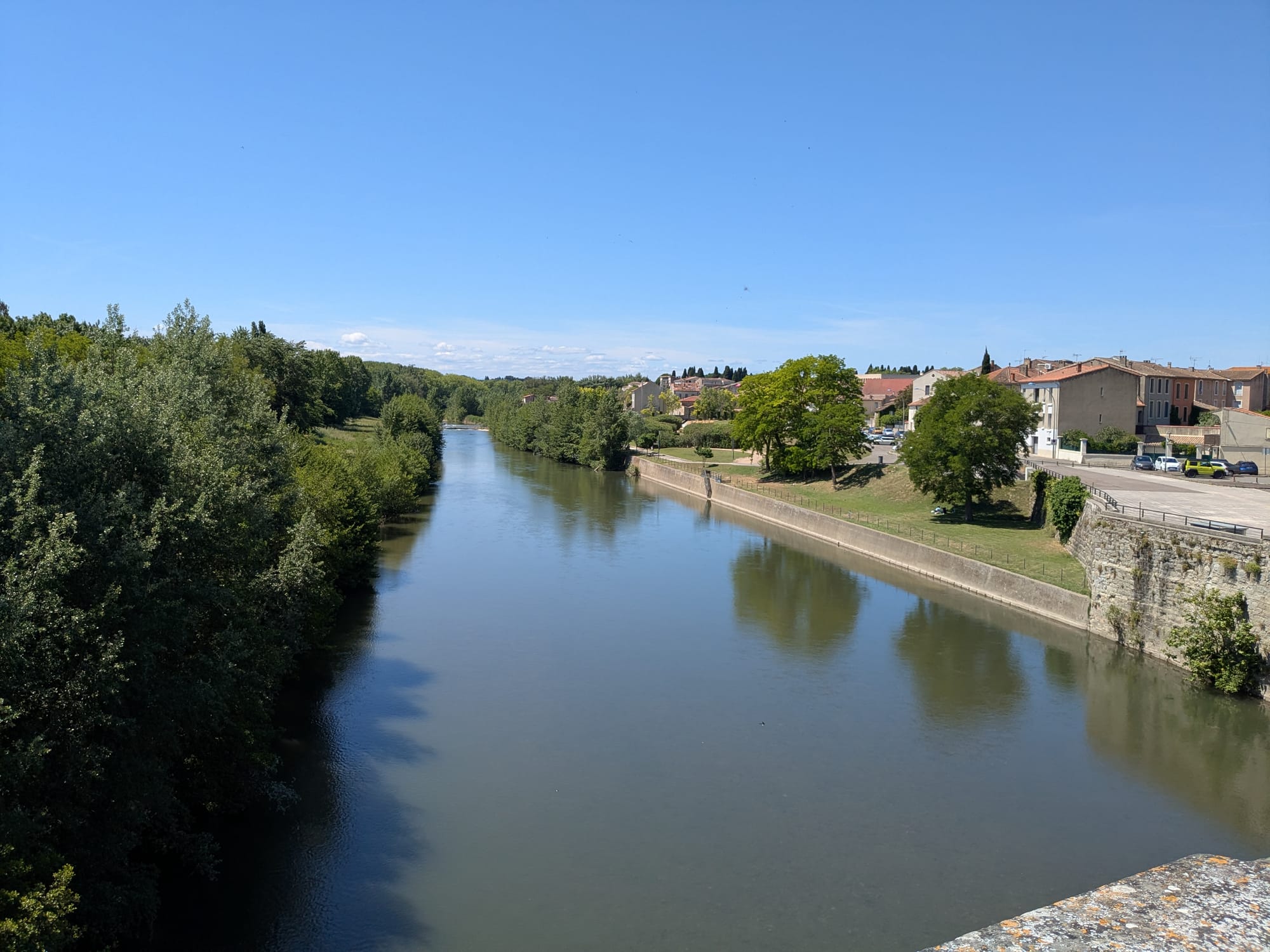
So we set off on foot from Camping La Cité, following the river like two people who definitely knew where they were going (well google did at least), heading toward one of the most famous fortified cities in Europe.
The Riverside Walk
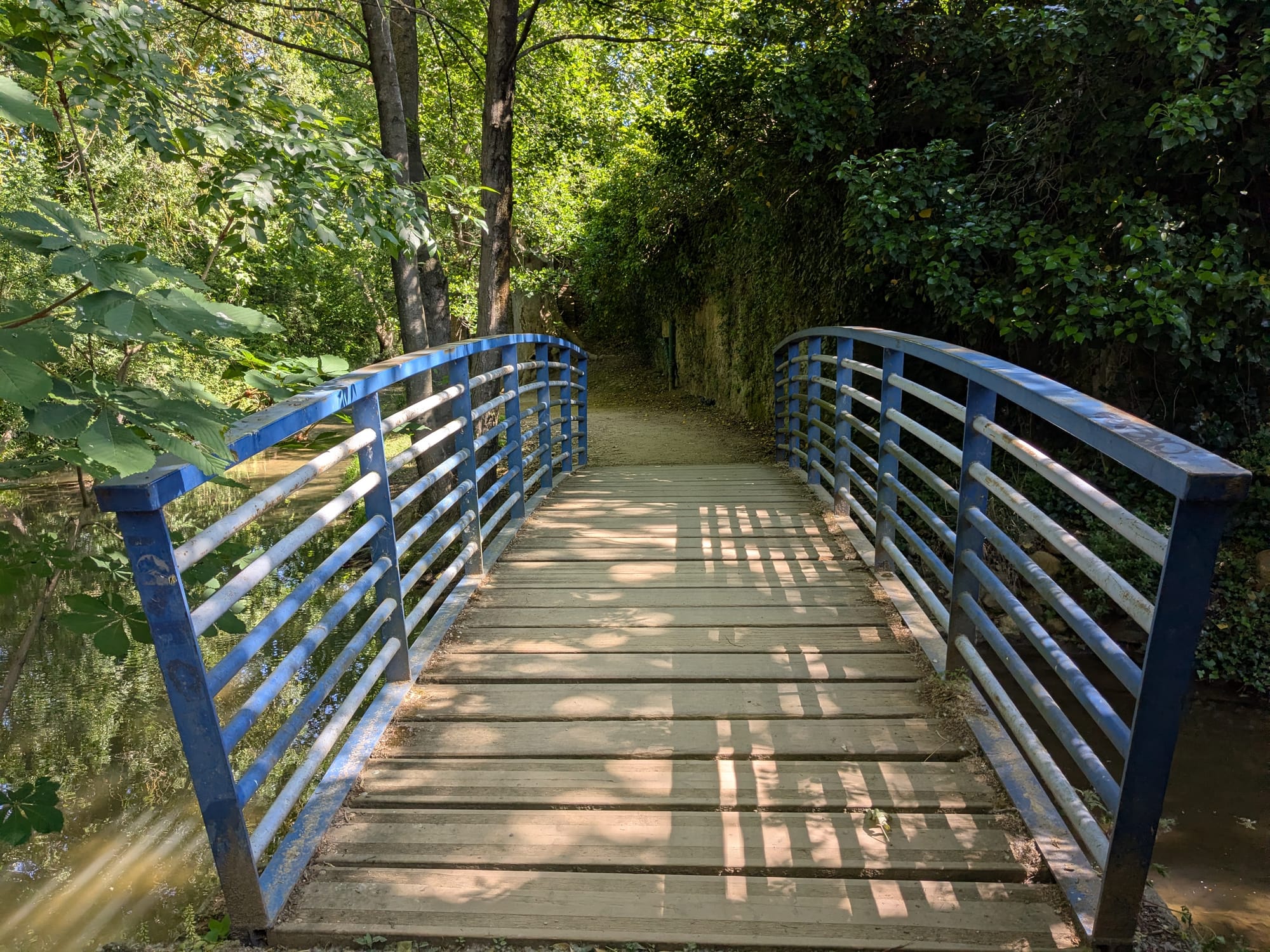
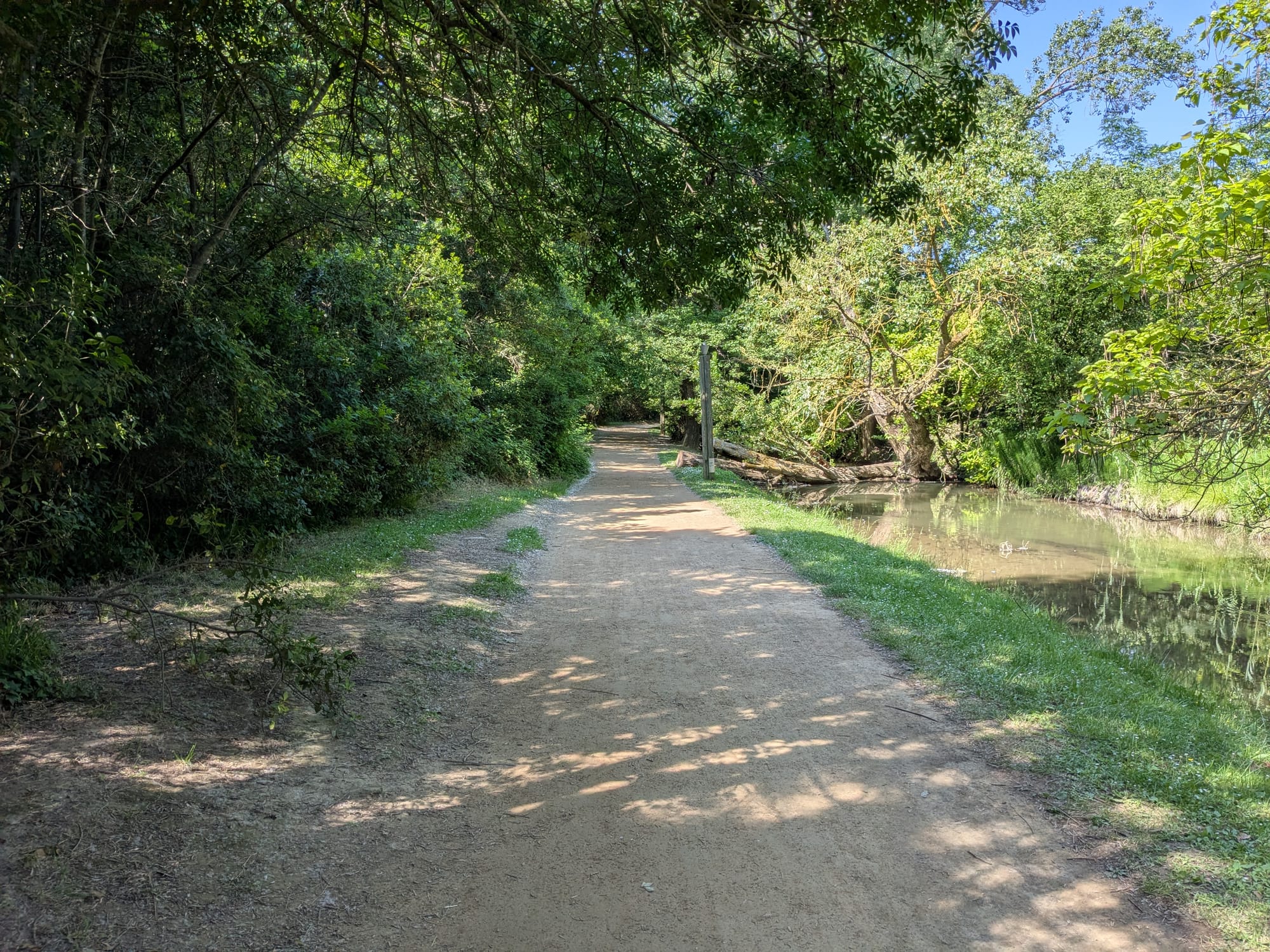
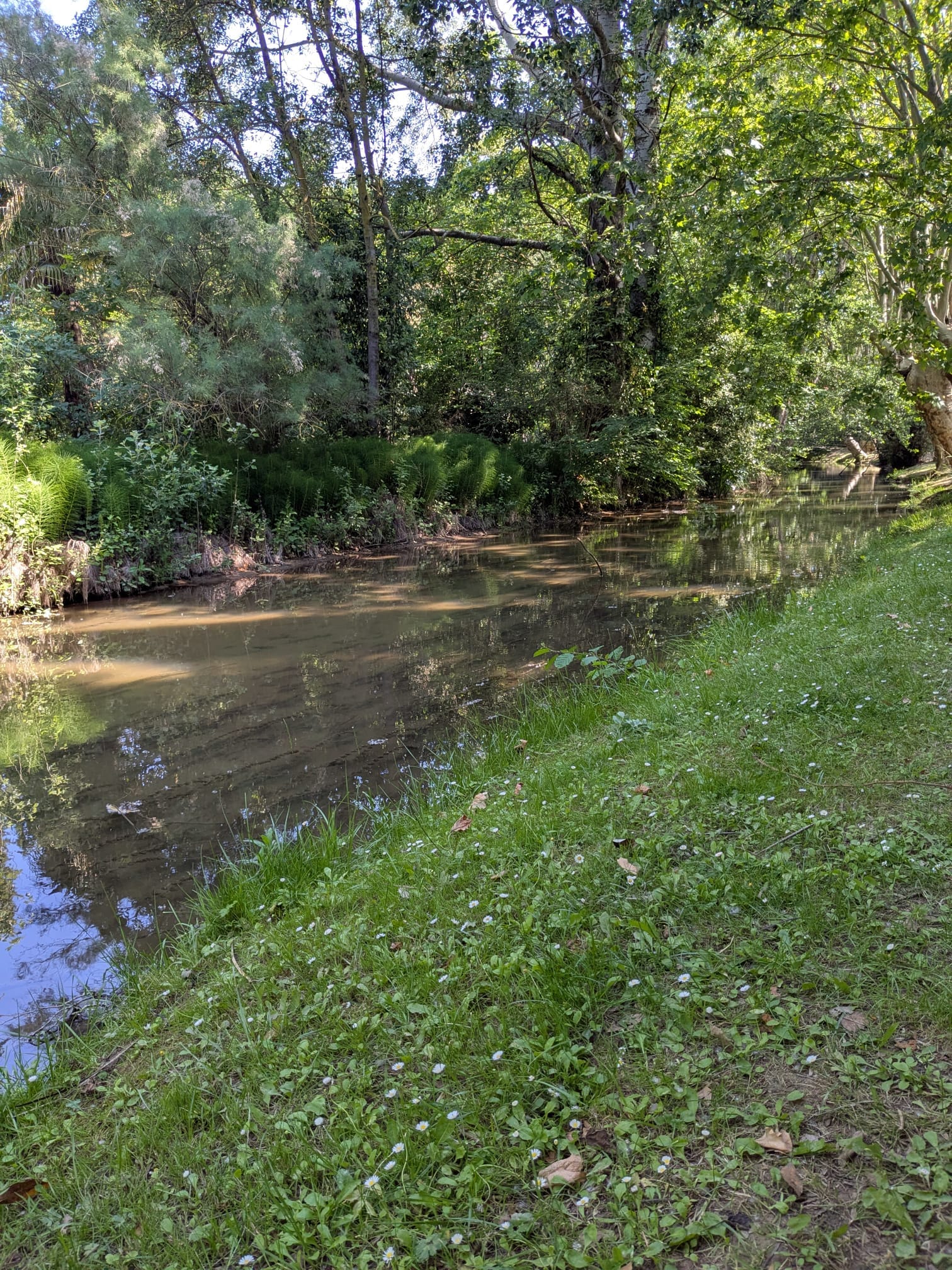
The walk from the campsite takes you along the river — peaceful, leafy, and full of wildlife who look like they’re judging your pace.
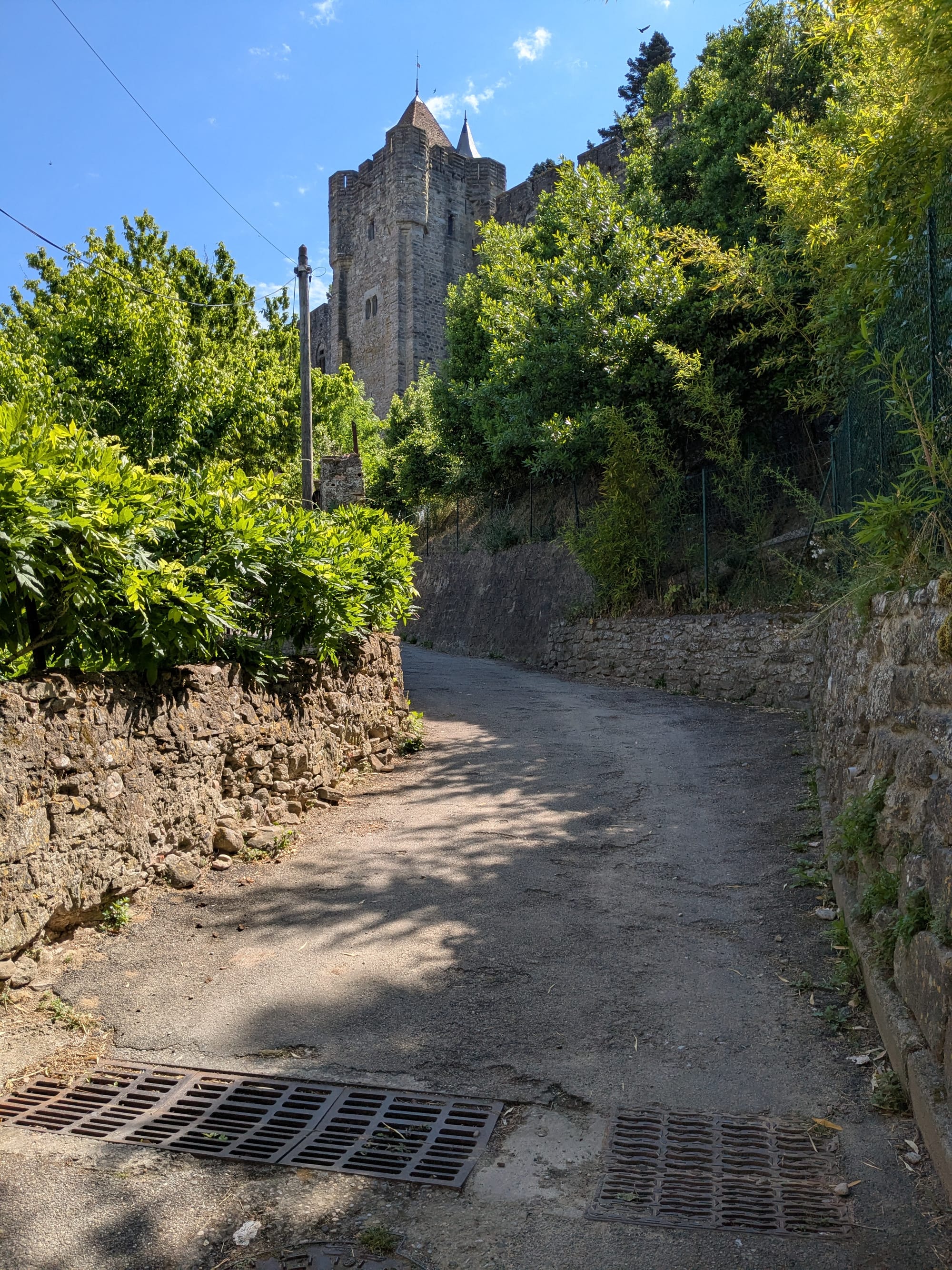
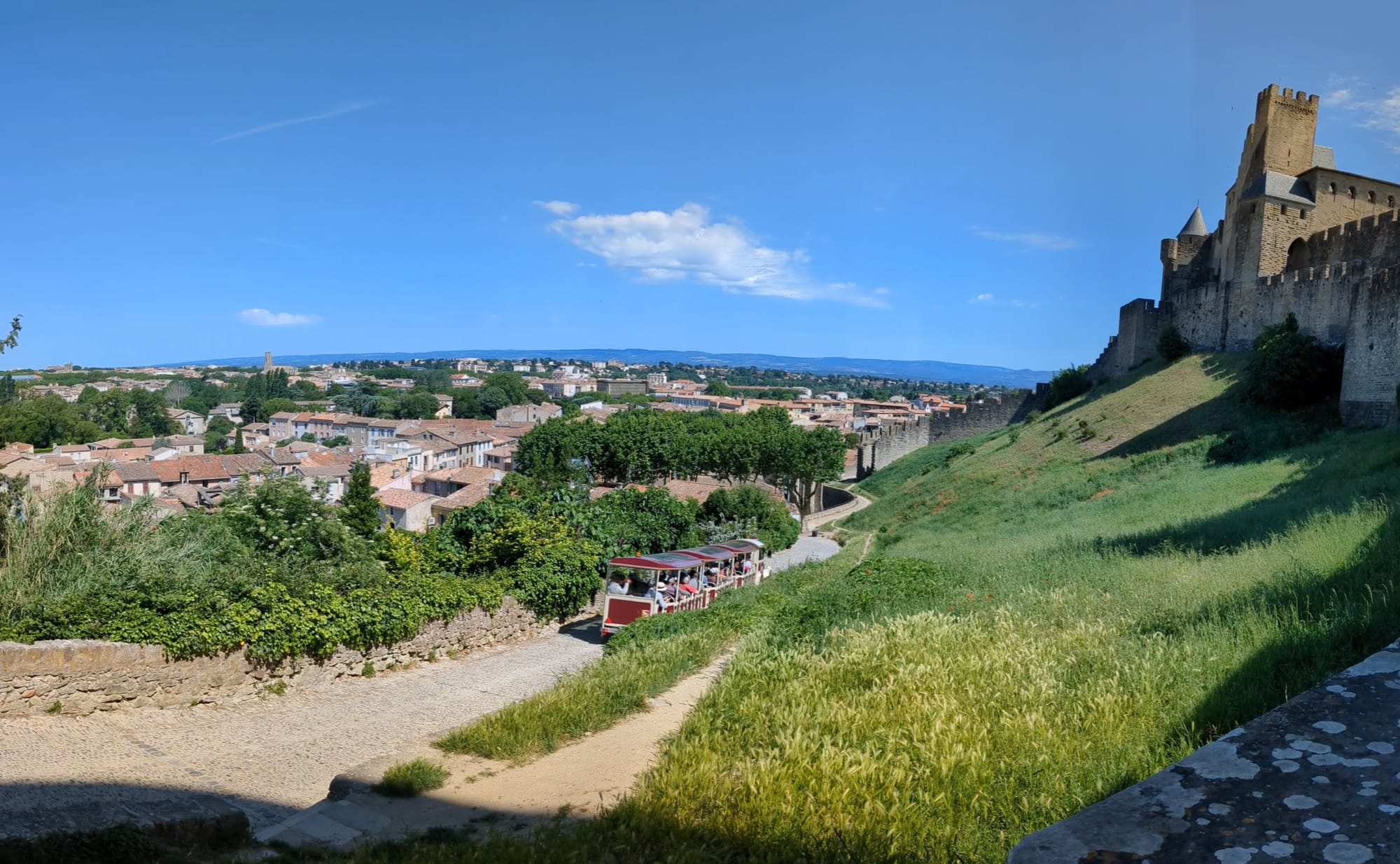
Carcassonne’s medieval citadel sits dramatically on the hill above, looking like something straight out of a fantasy film. Which is fitting, because it’s been used in several.
We climbed steadily, legs warming, sun shining, and the promise of medieval snacks pulling us forward.
Entering the Medieval Walled City
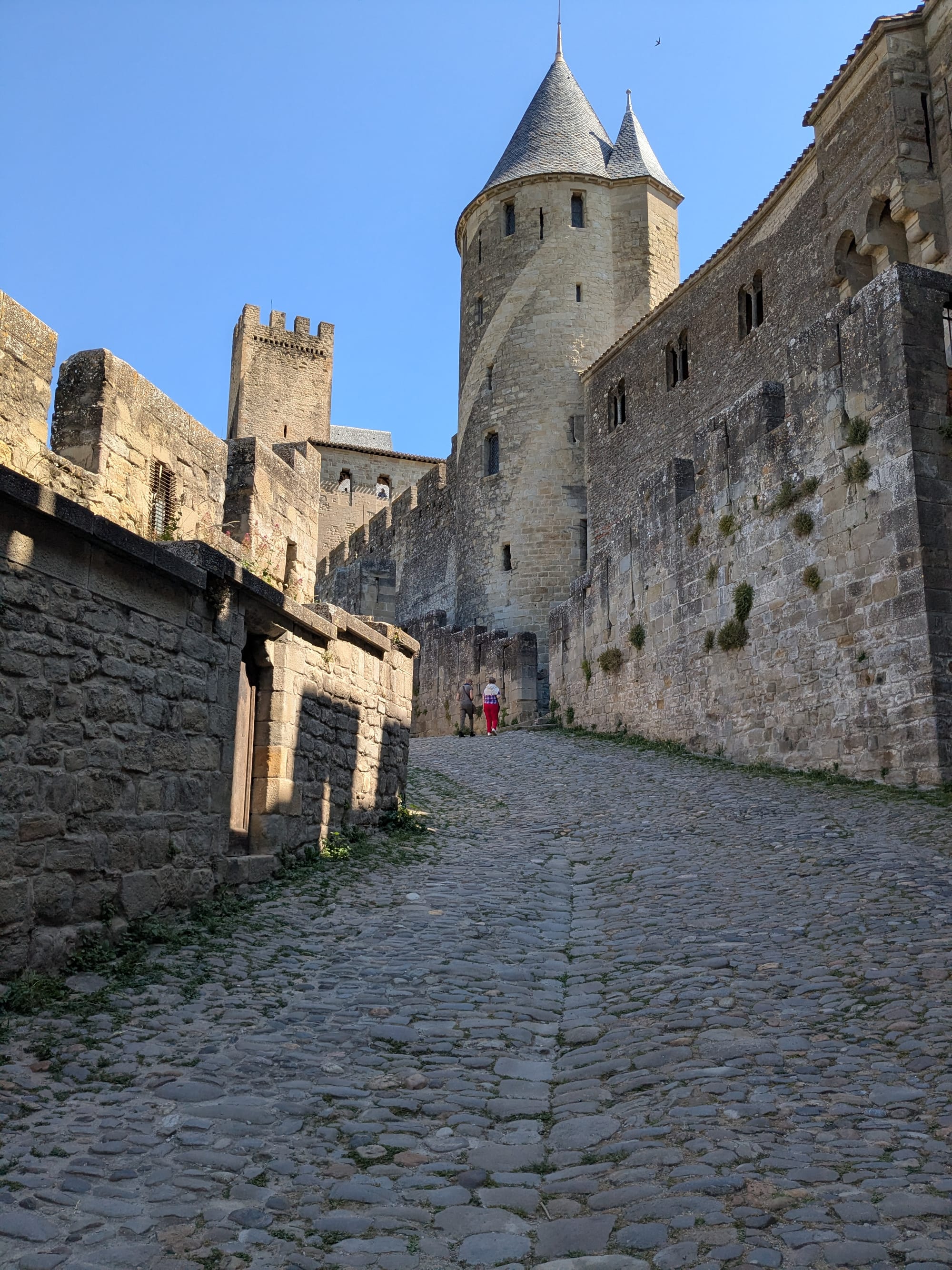
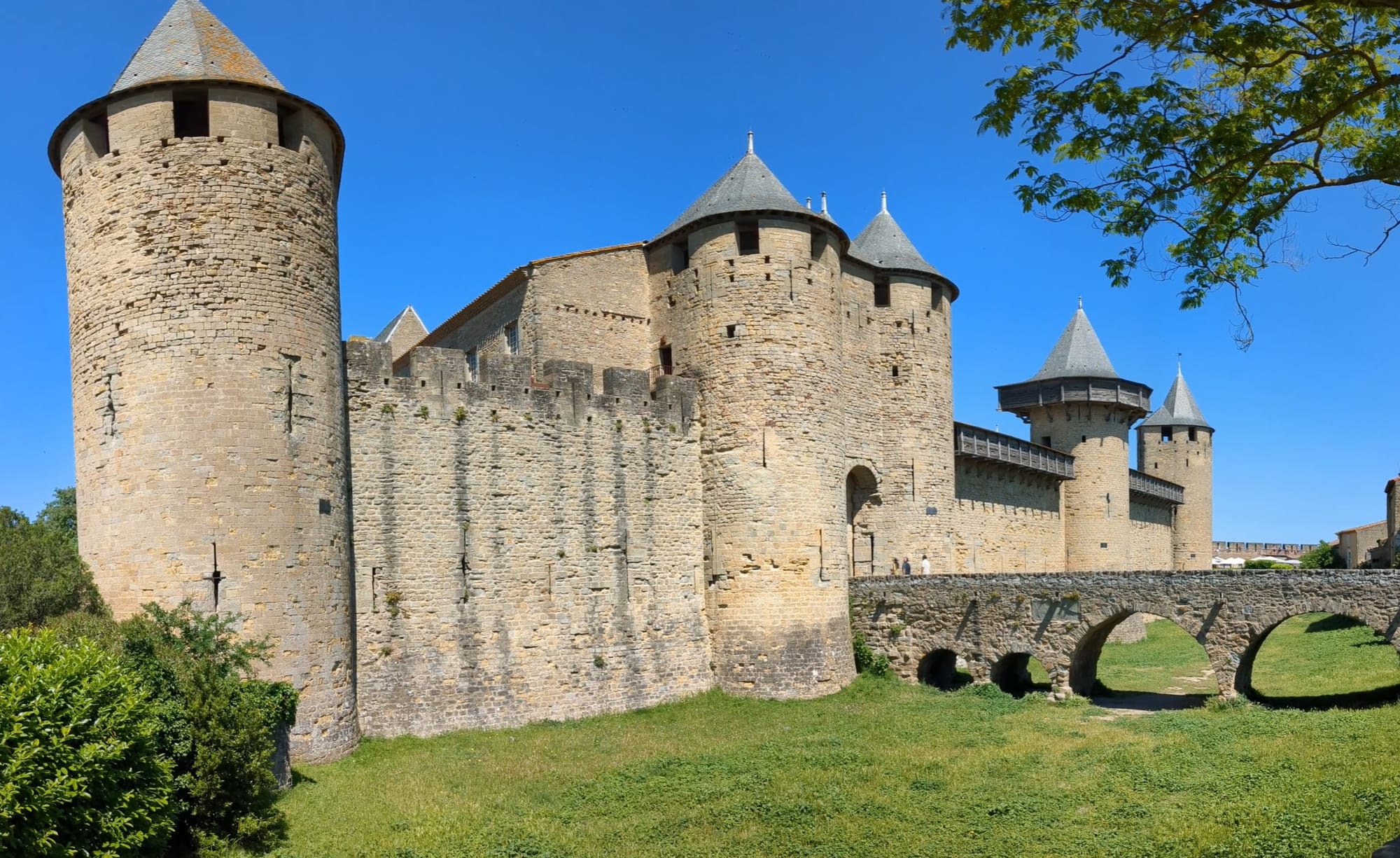
Carcassonne’s Cité Médiévale is a UNESCO World Heritage Site and one of the best‑preserved fortified cities in Europe.
It has:
- 52 towers
- 3 kilometres of ramparts
- a double‑walled defence system
- and more restaurants than seems historically accurate
Honestly, walking through the gates felt like stepping back in time…
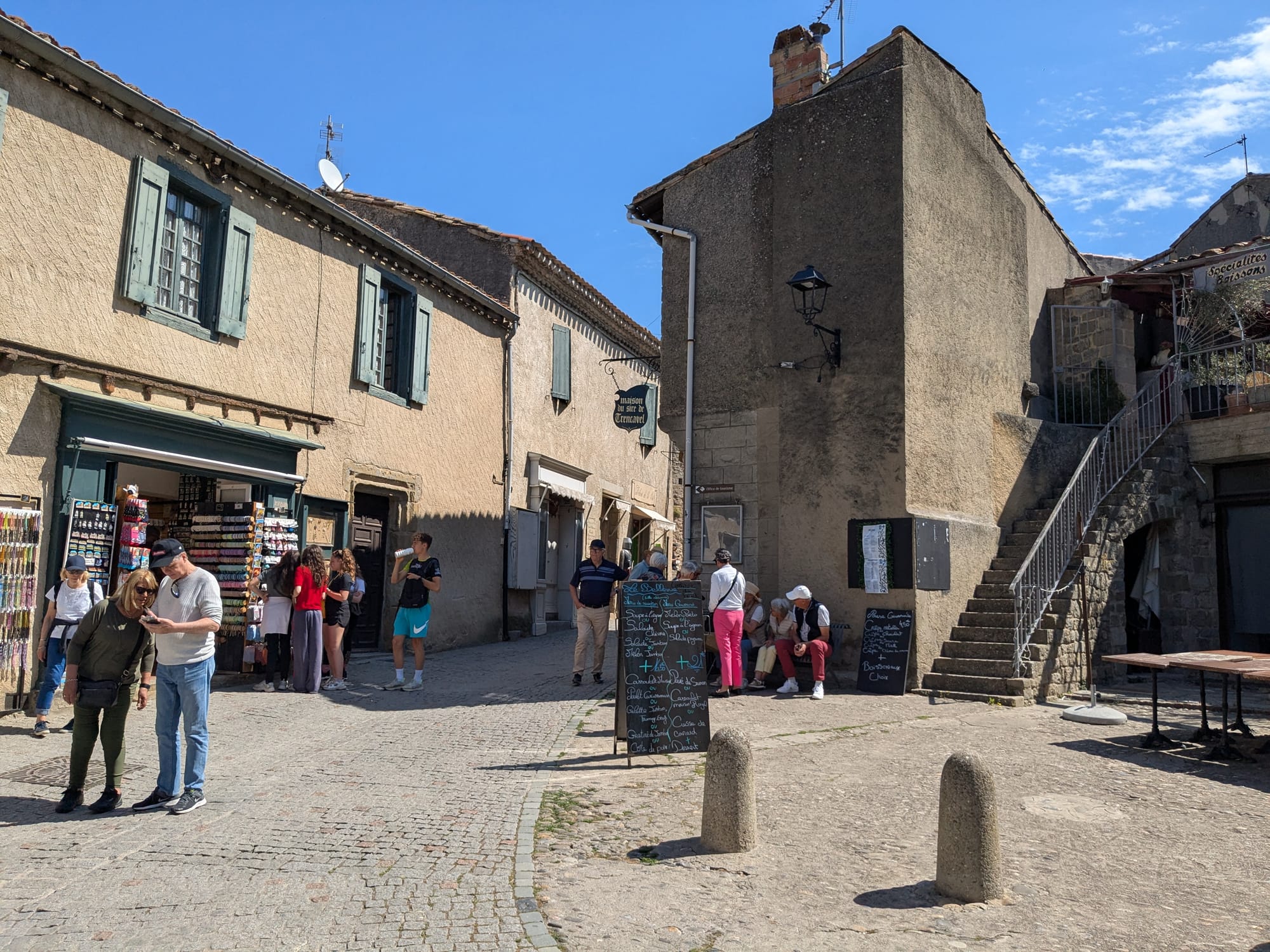
…until you realise the medieval population apparently survived on pizza, cassoulet, crêpes, and €6.50 cans of Coke.
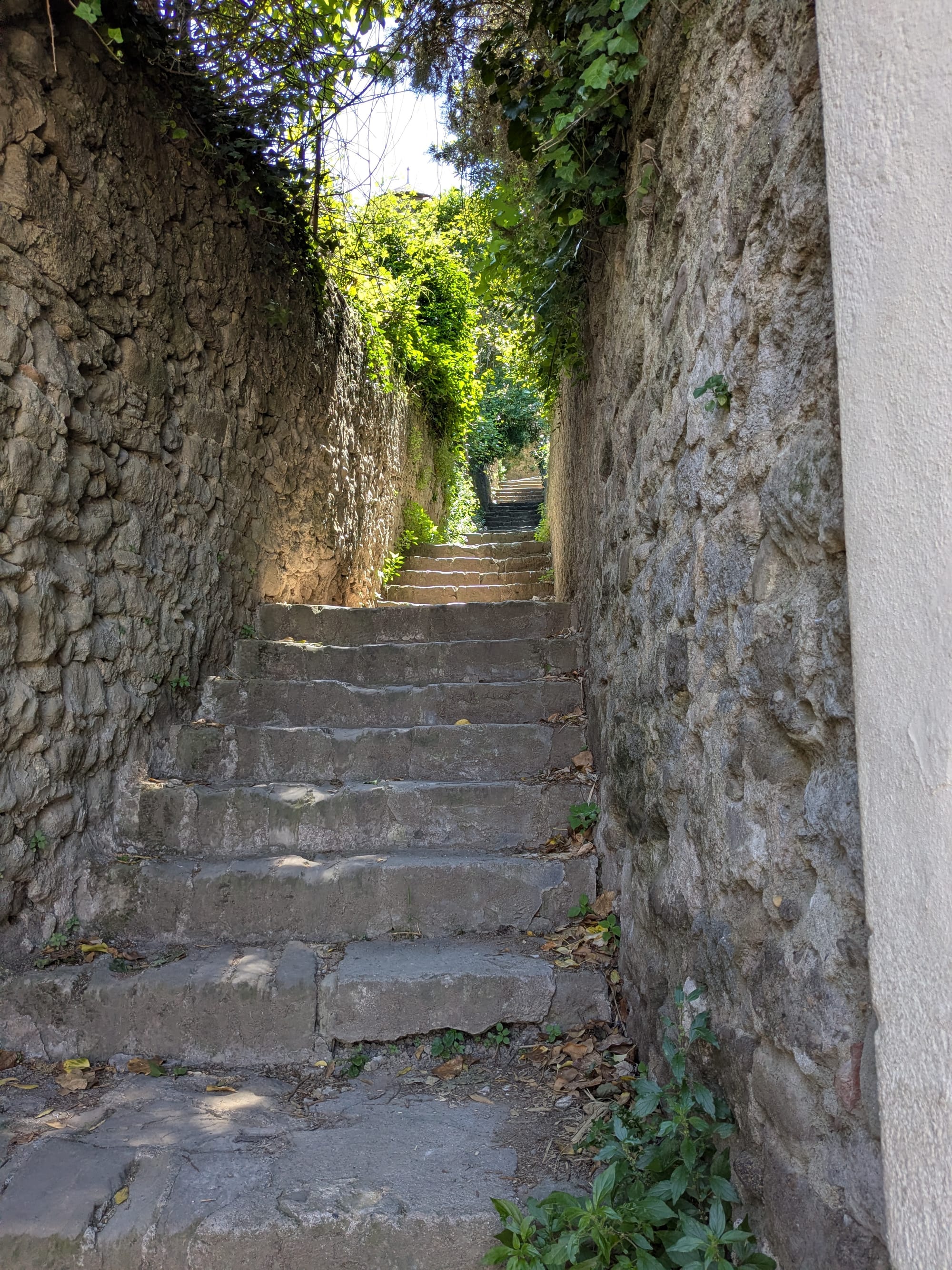
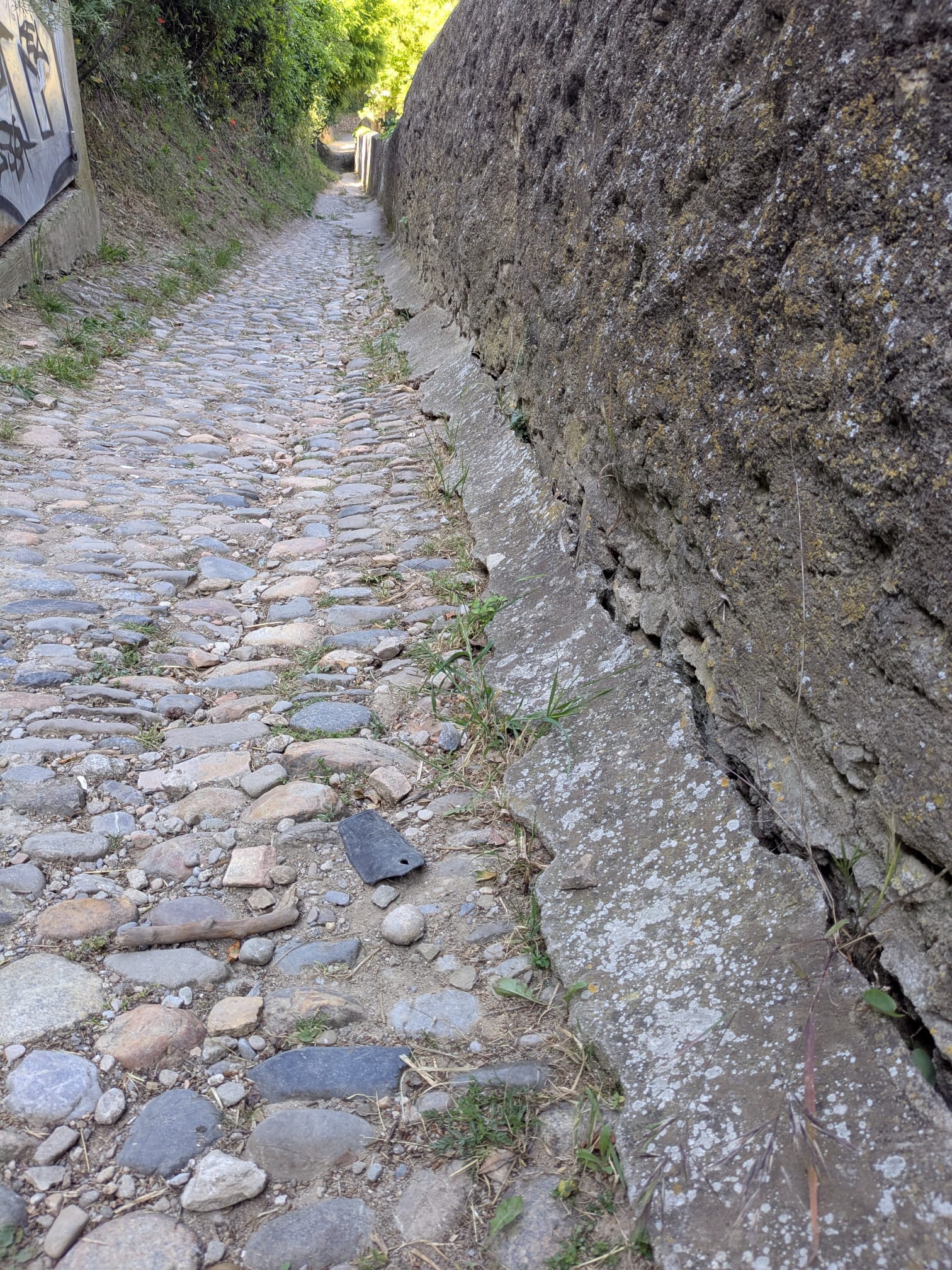
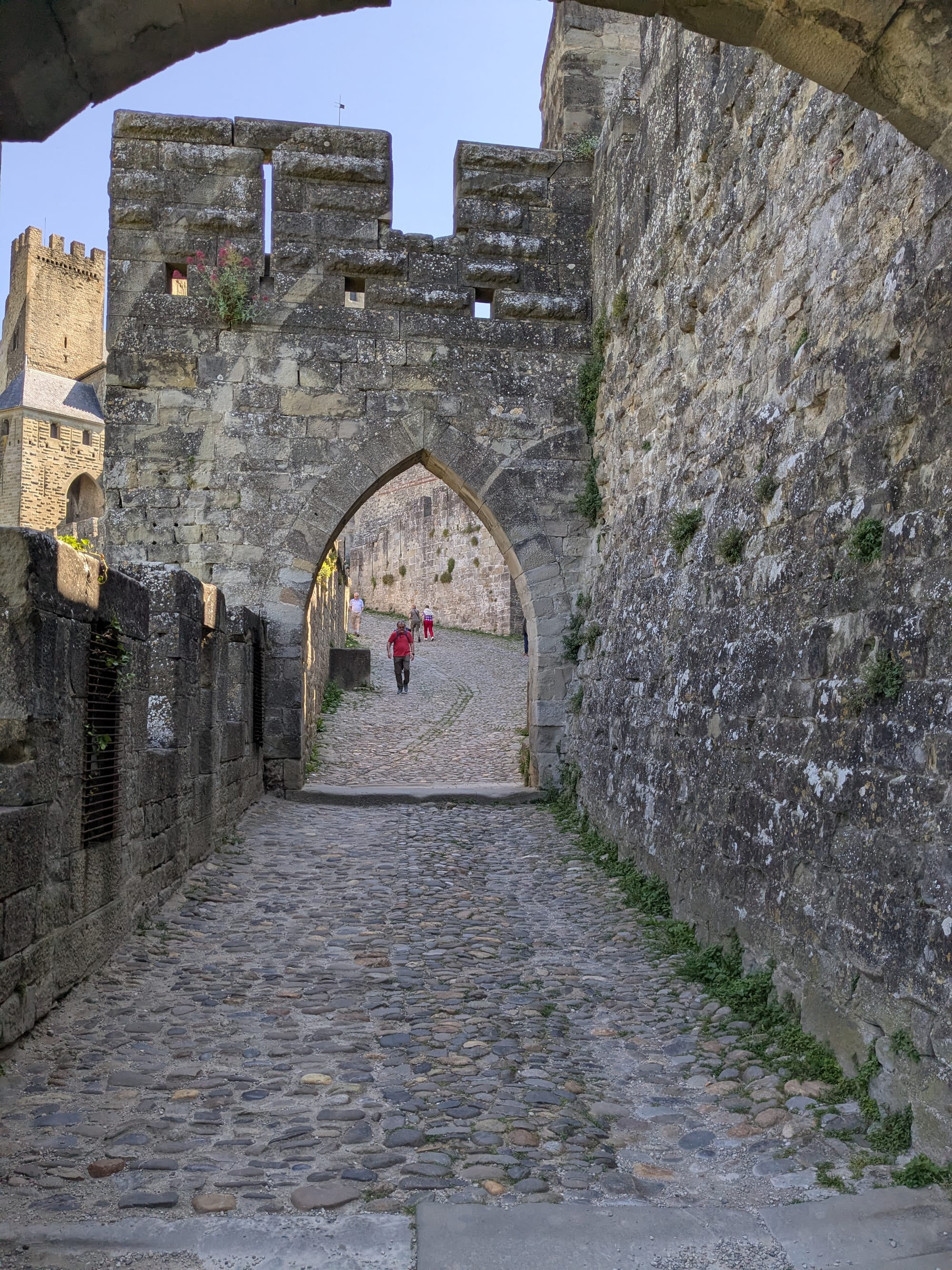
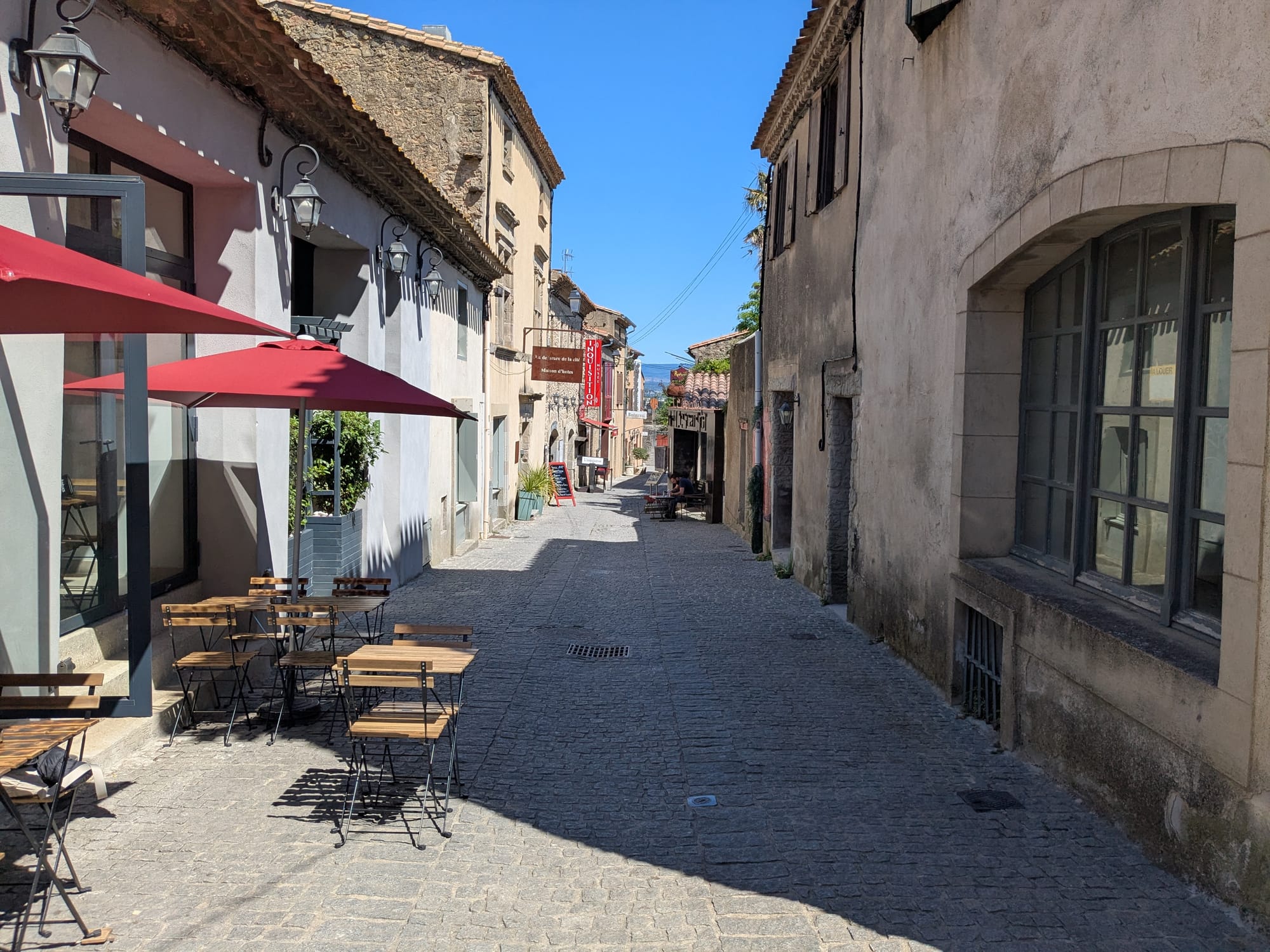
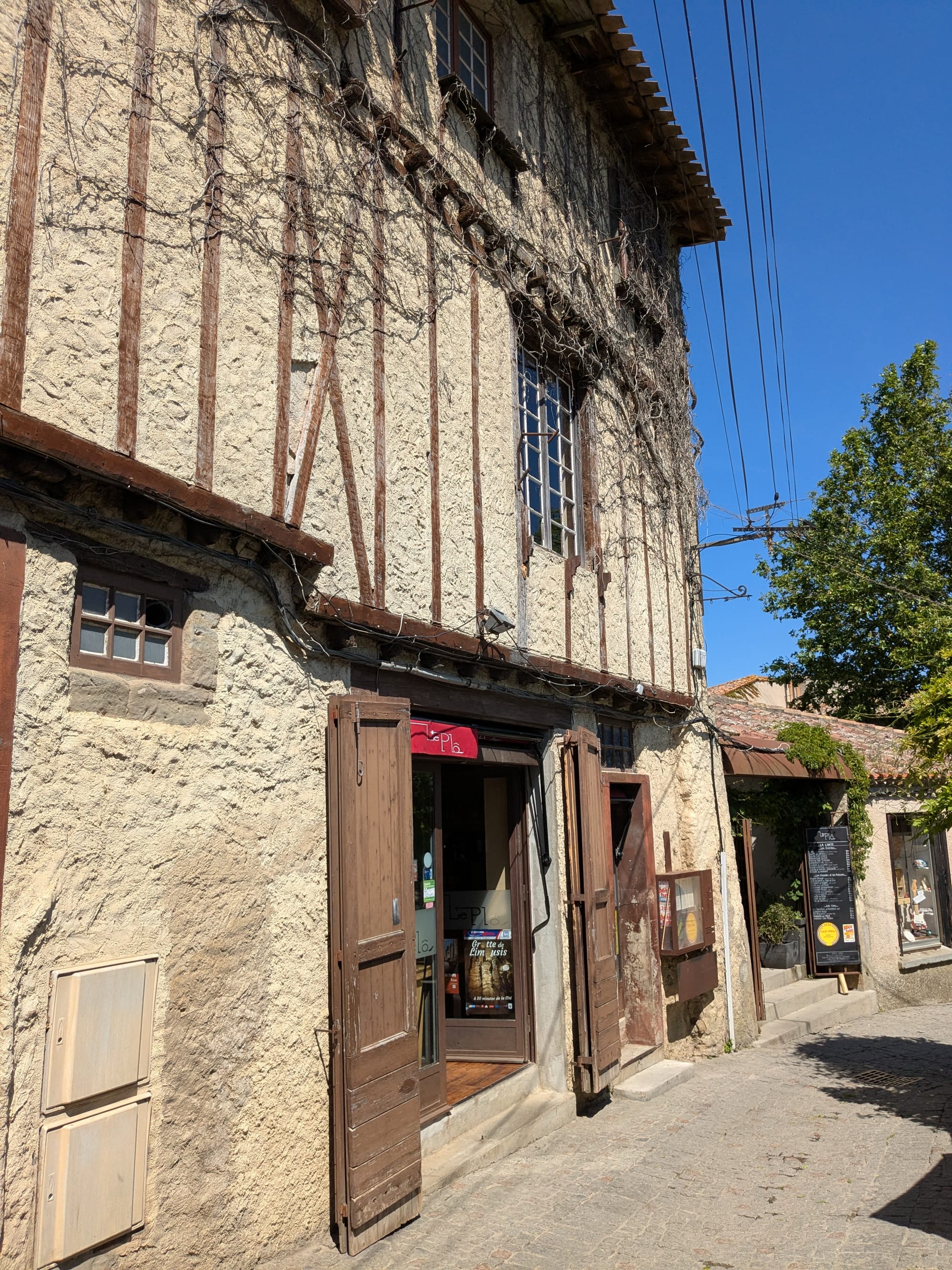
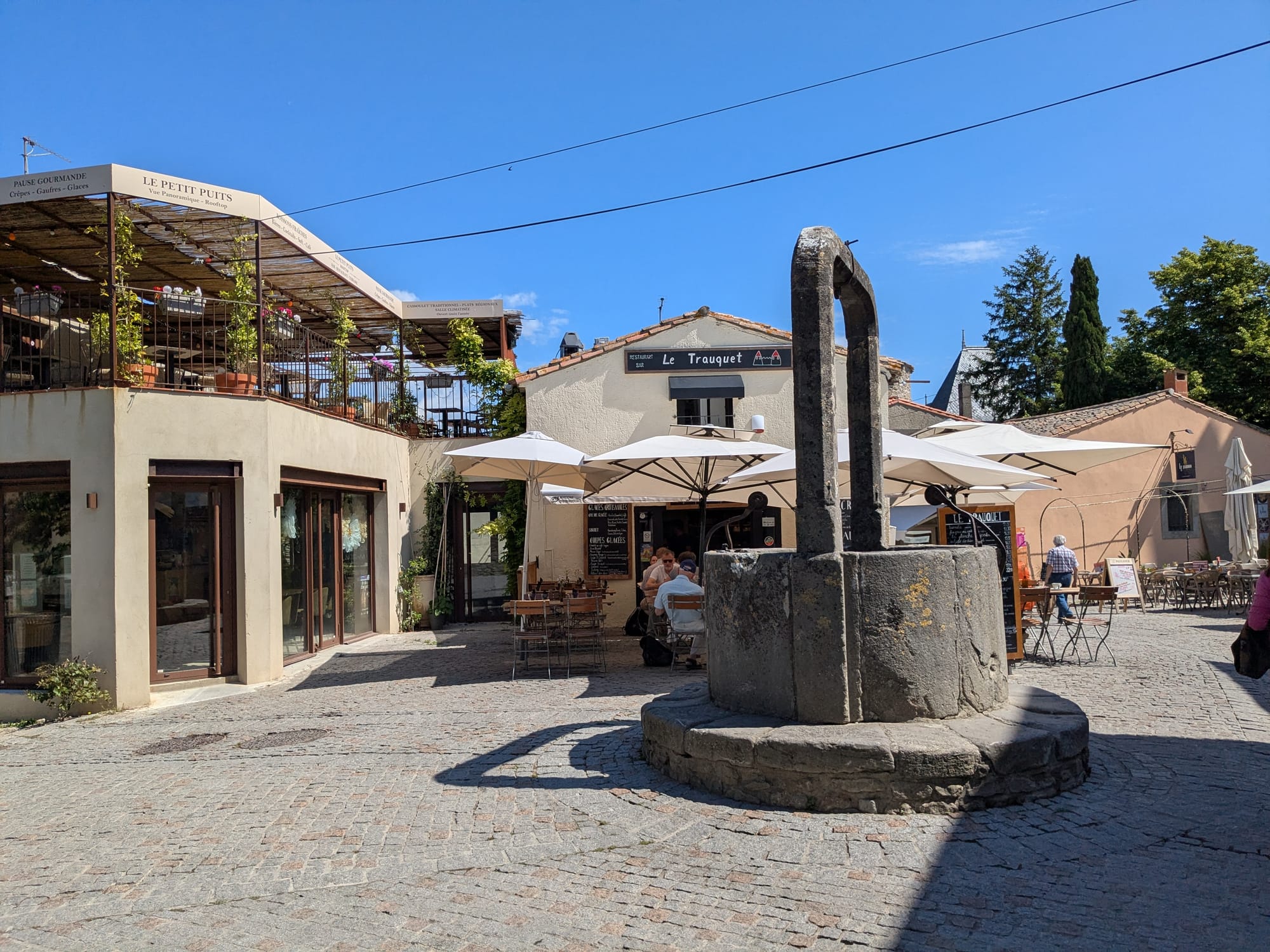
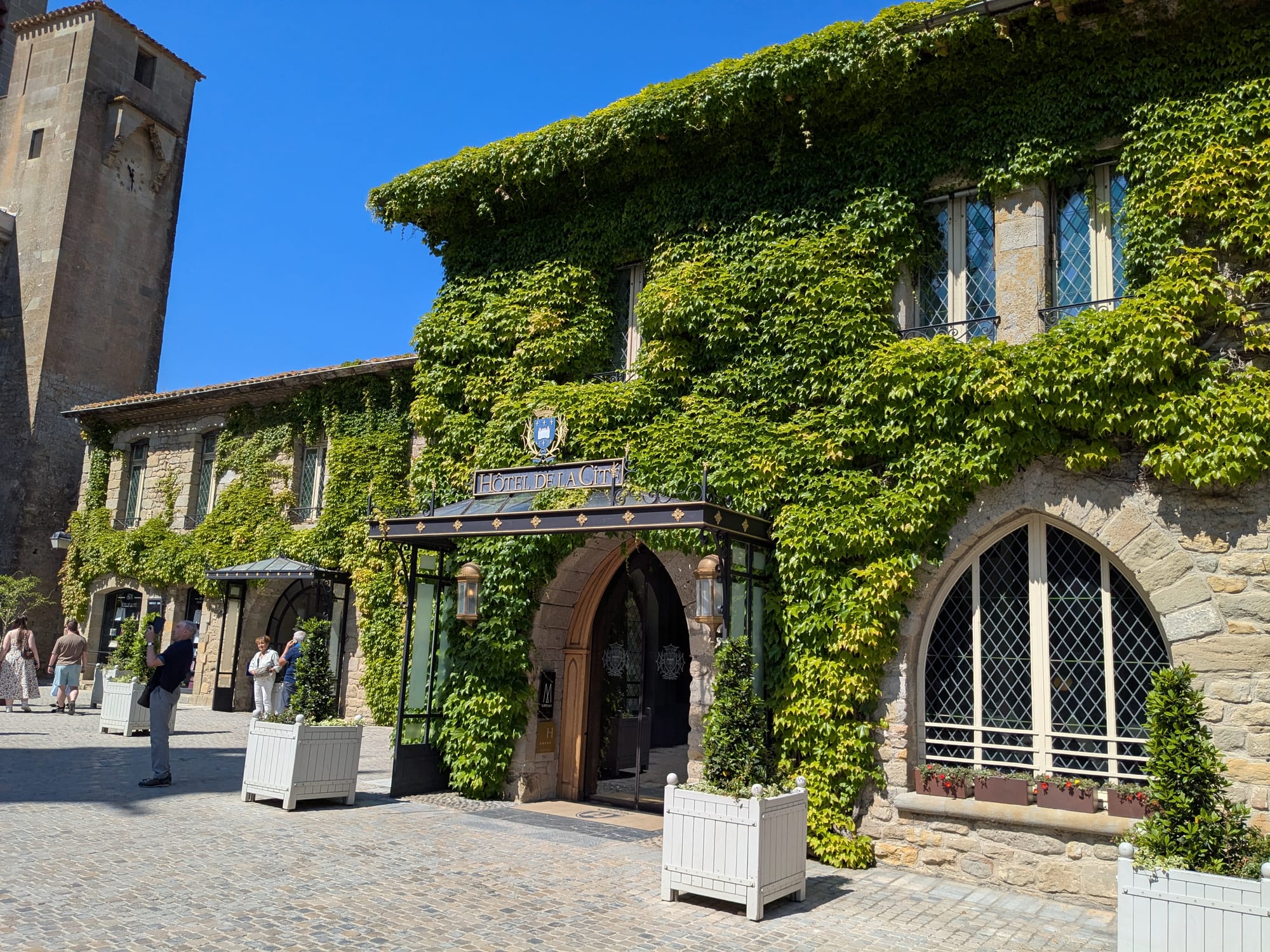
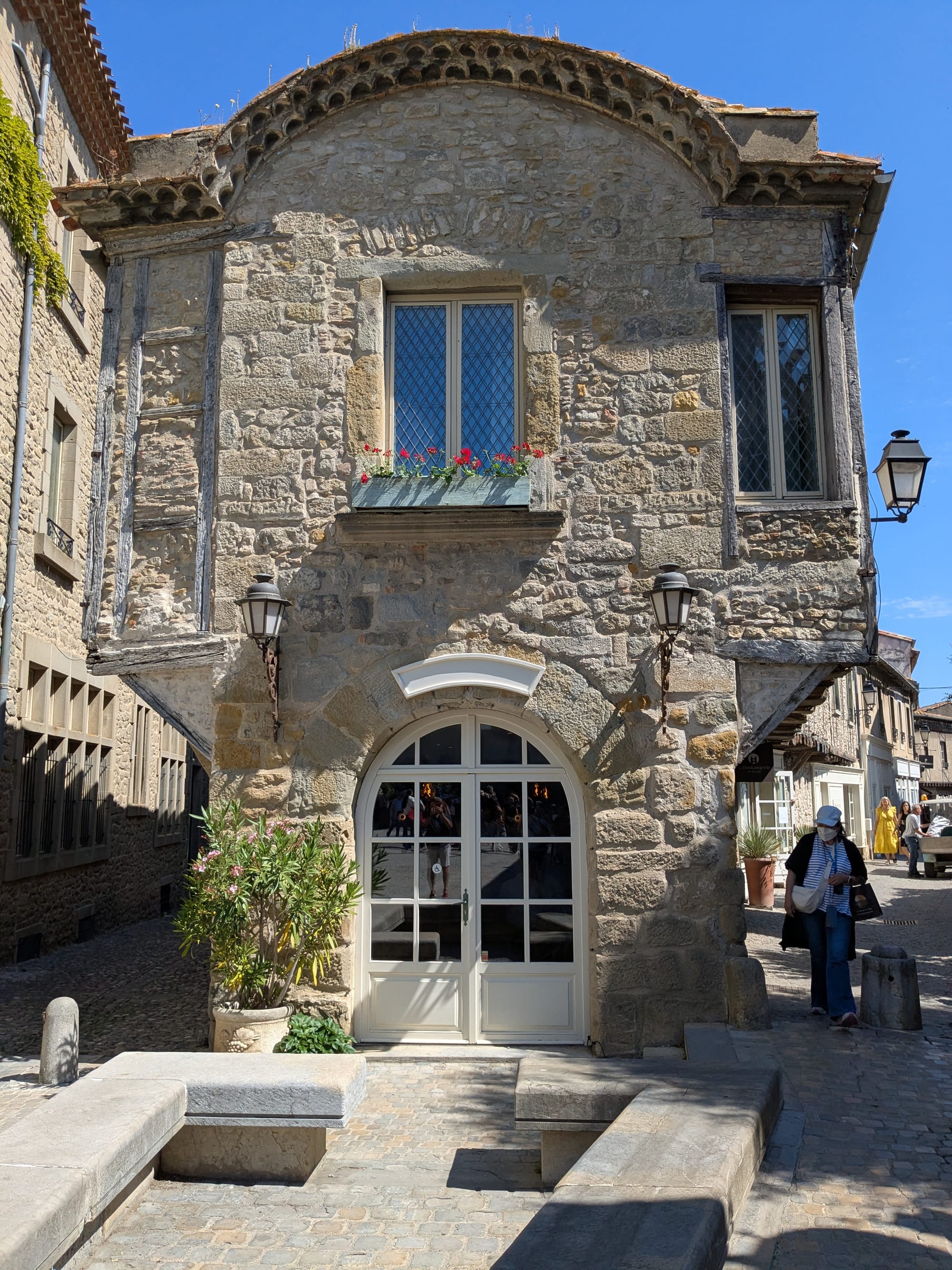
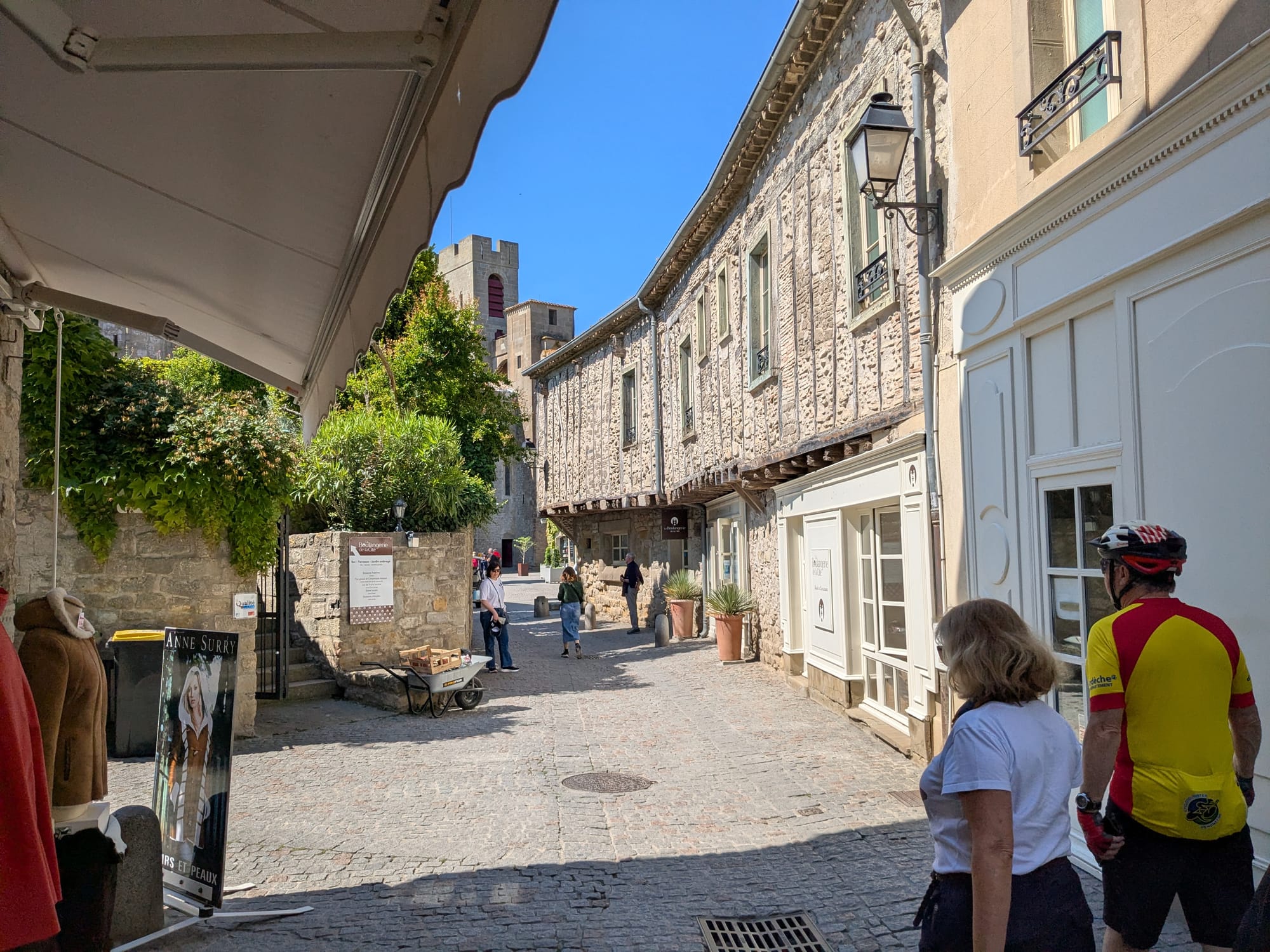
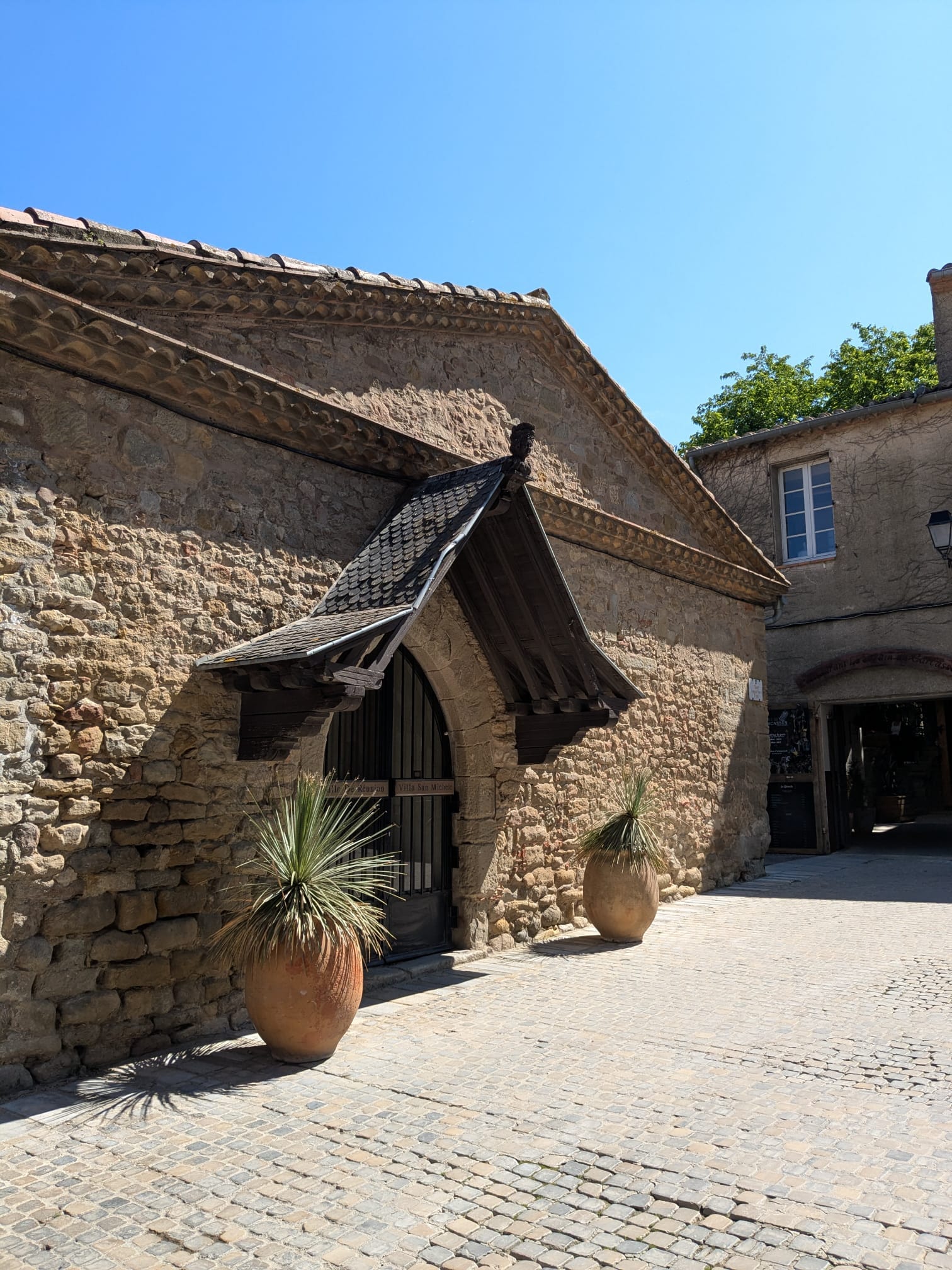
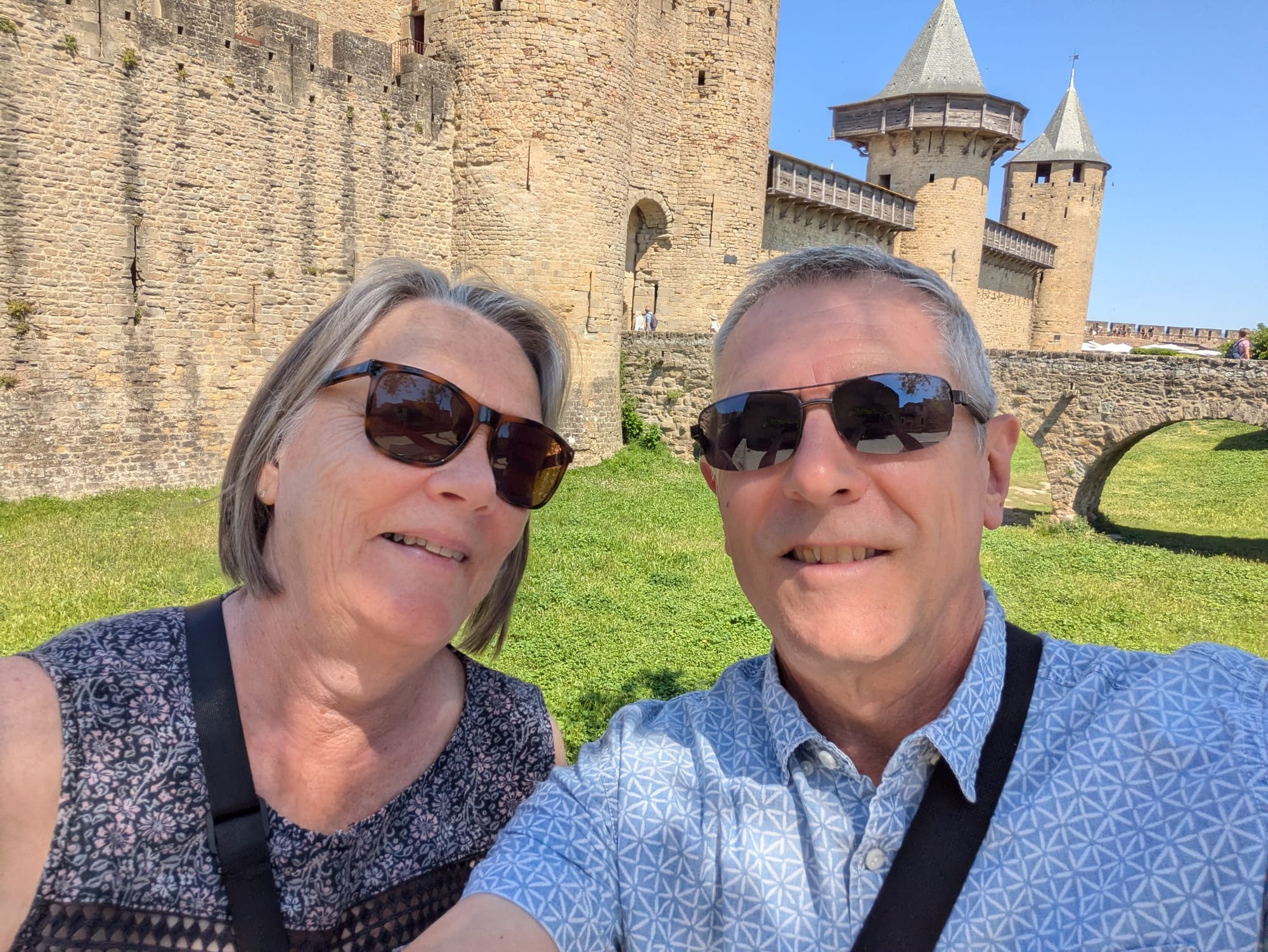
We wandered the narrow streets, admiring the ancient stonework, the turrets, the drawbridge, and the architecture that has stood for centuries.
And then we noticed the pattern:
- 90% restaurants
- 8% cafés
- 2% tourist tat (magnets, plastic swords, and tea towels featuring knights who definitely didn’t use tea towels)
Still — it’s beautiful.
And the views from the ramparts are worth every step.
A Bit of Background
Carcassonne has existed since the Iron Age, later becoming a major Roman stronghold. The medieval fortifications we see today were built between the 12th and 14th centuries, and restored in the 1800s by architect Viollet‑le‑Duc — a man who looked at a crumbling ruin and said, “Yes, but what if it was dramatic?”
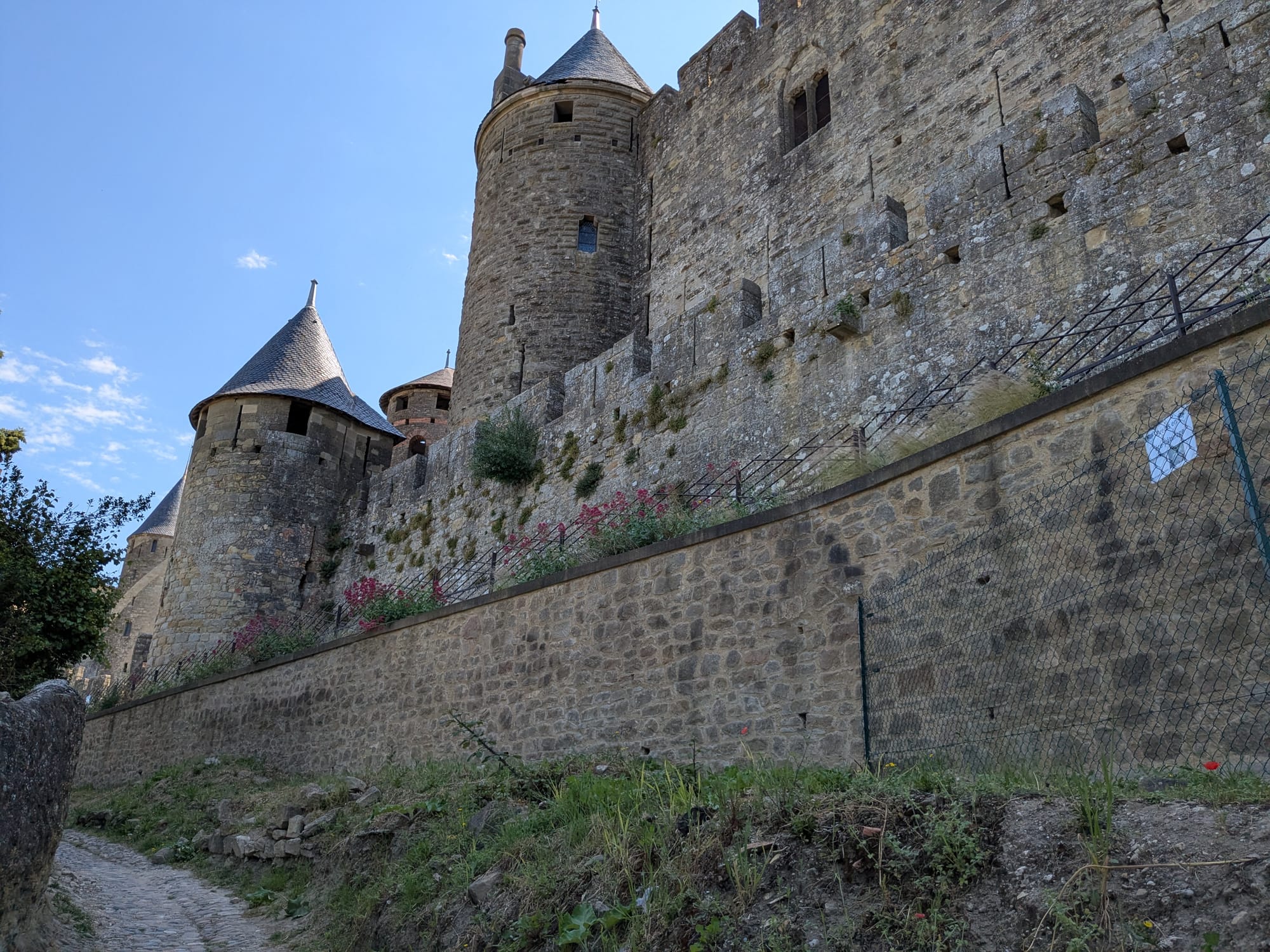
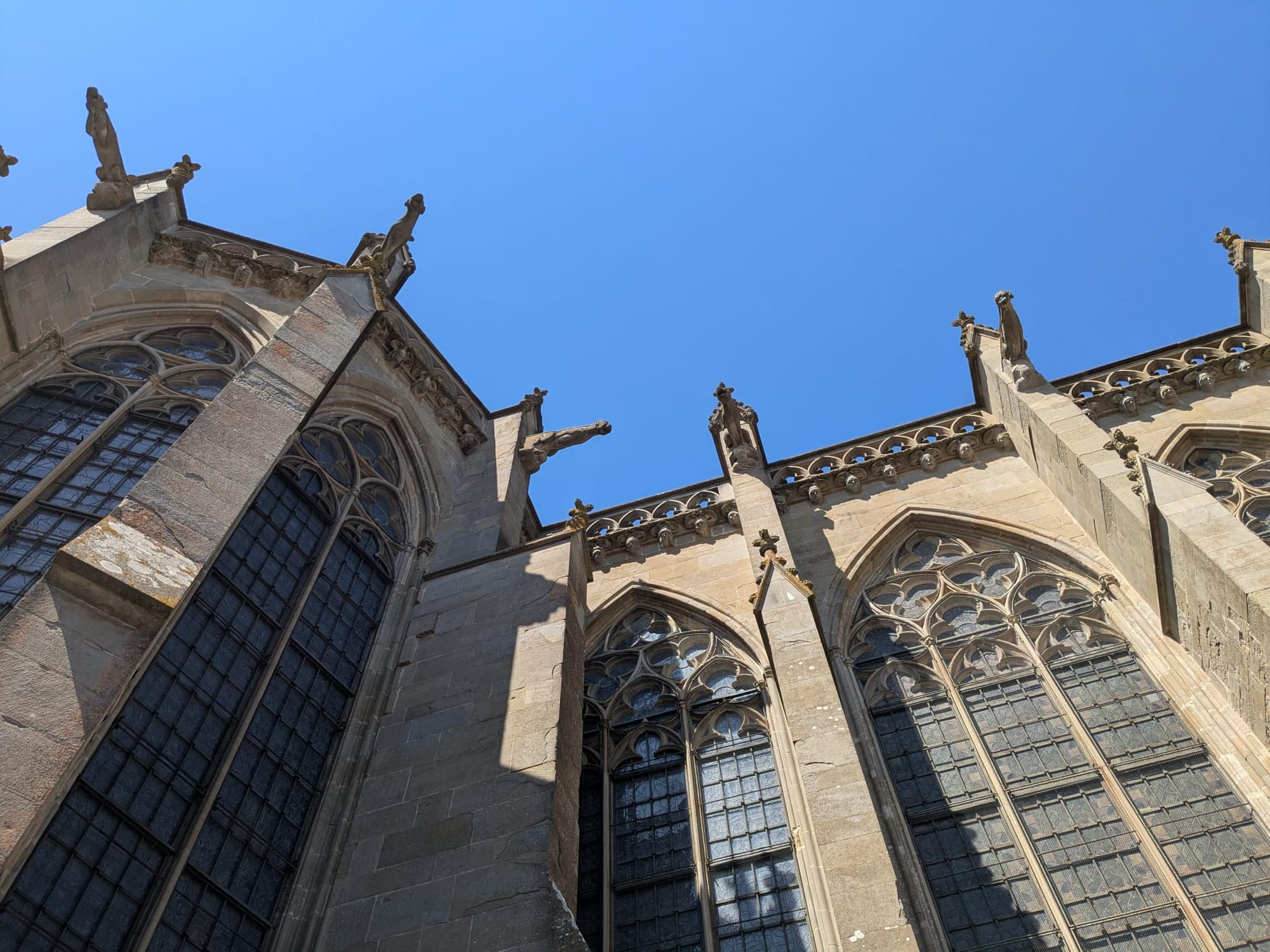
The result is the fairy‑tale fortress we know today. Towers, battlements, arrow slits, and enough stone to make your knees hurt just looking at it.
Inside the walls you’d typically see:
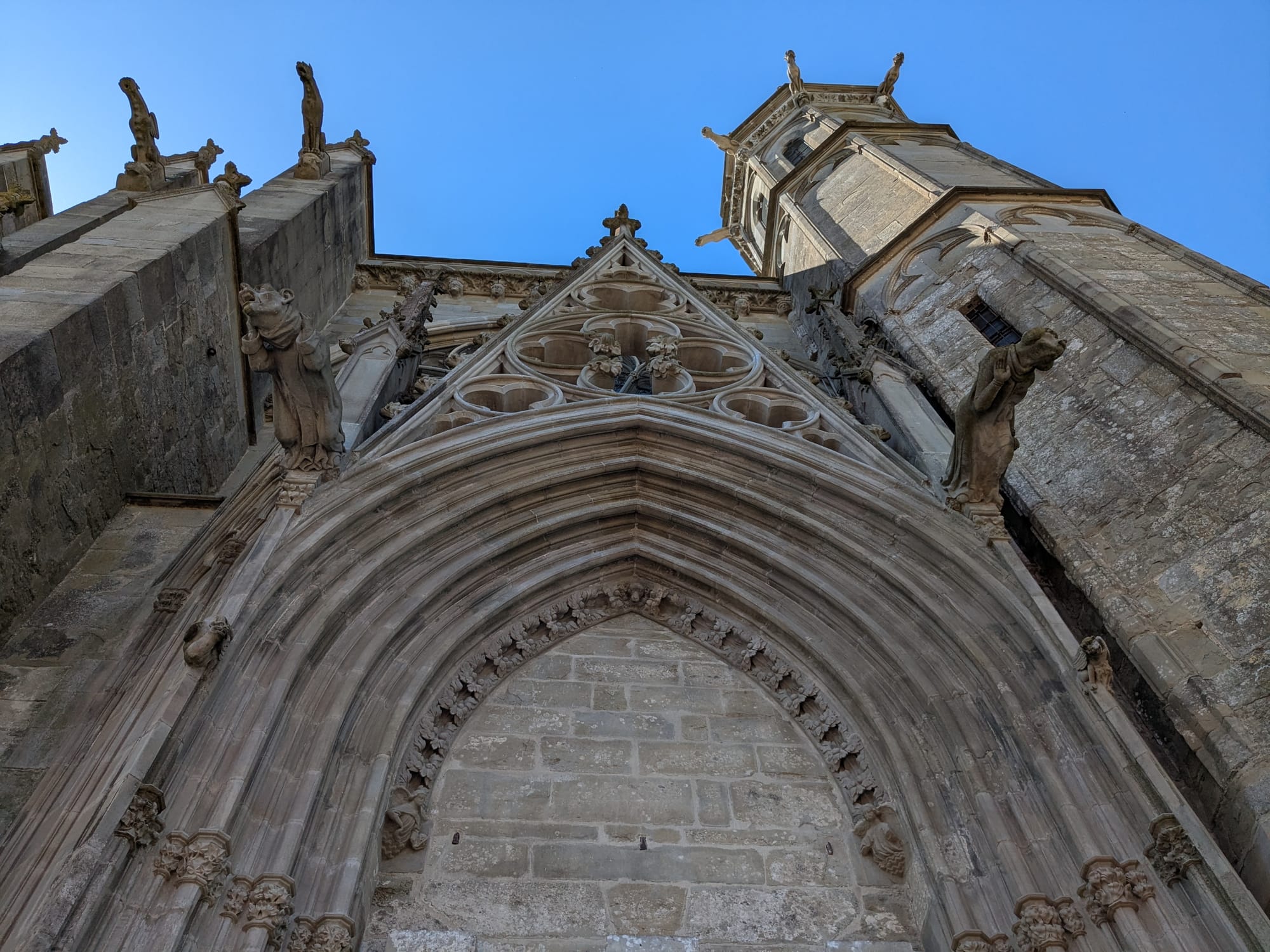
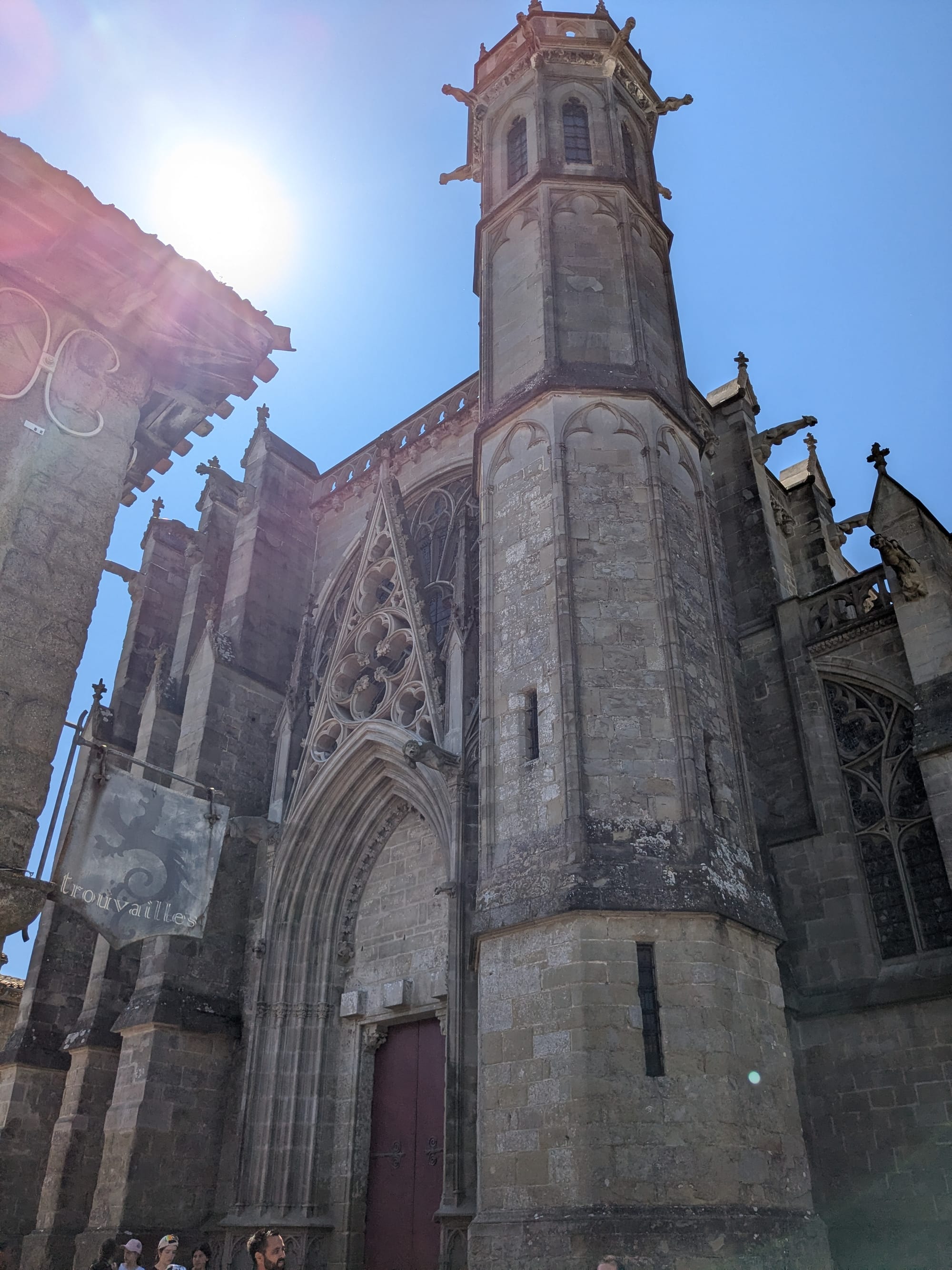
- the Basilica of Saints Nazarius and Celsus
- the Château Comtal (the inner castle)
- winding medieval lanes
- and tourists trying to take photos without other tourists in them (impossible)
Into the “New” City
Spoiler: It’s Still Quite Old
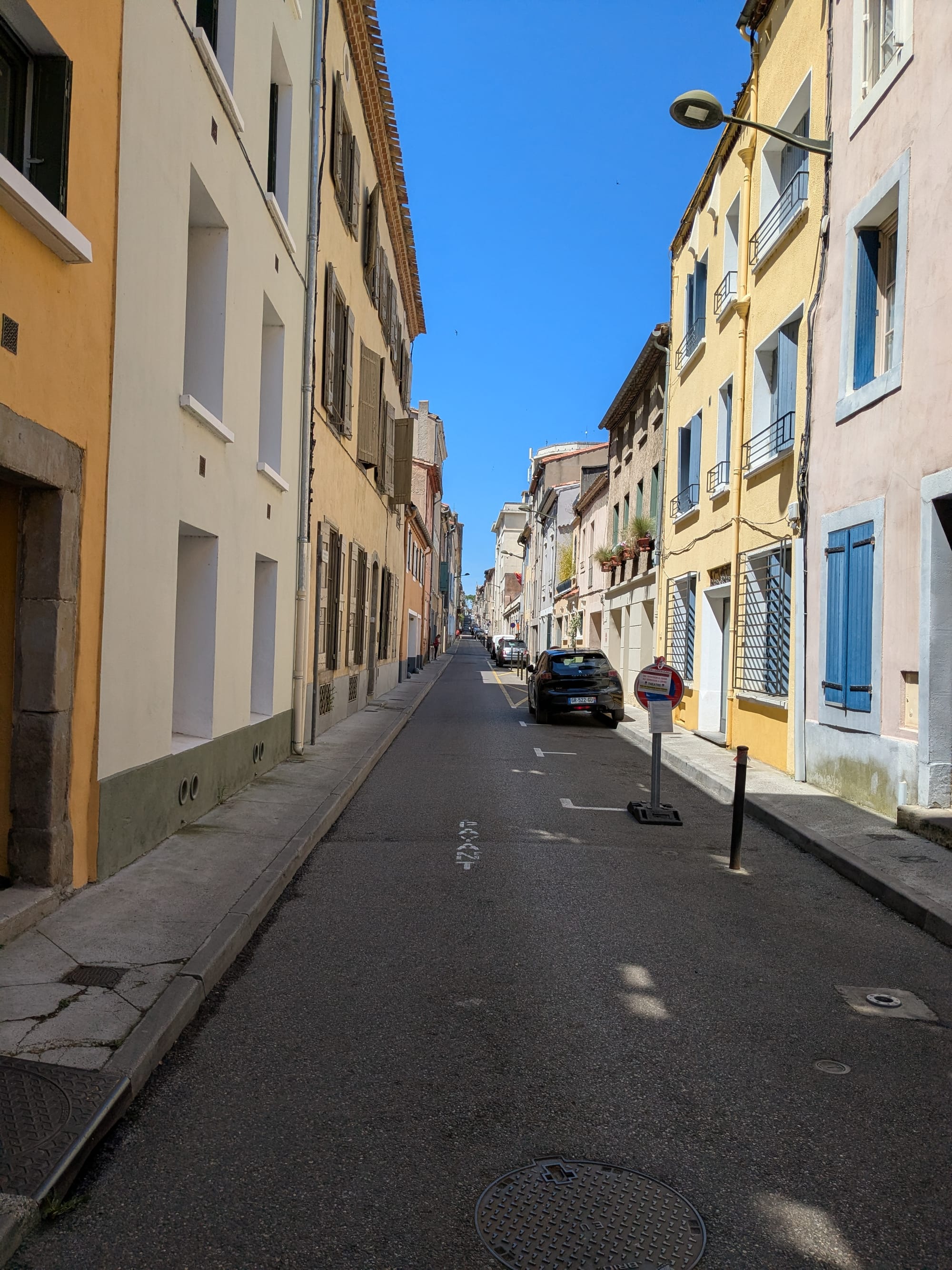
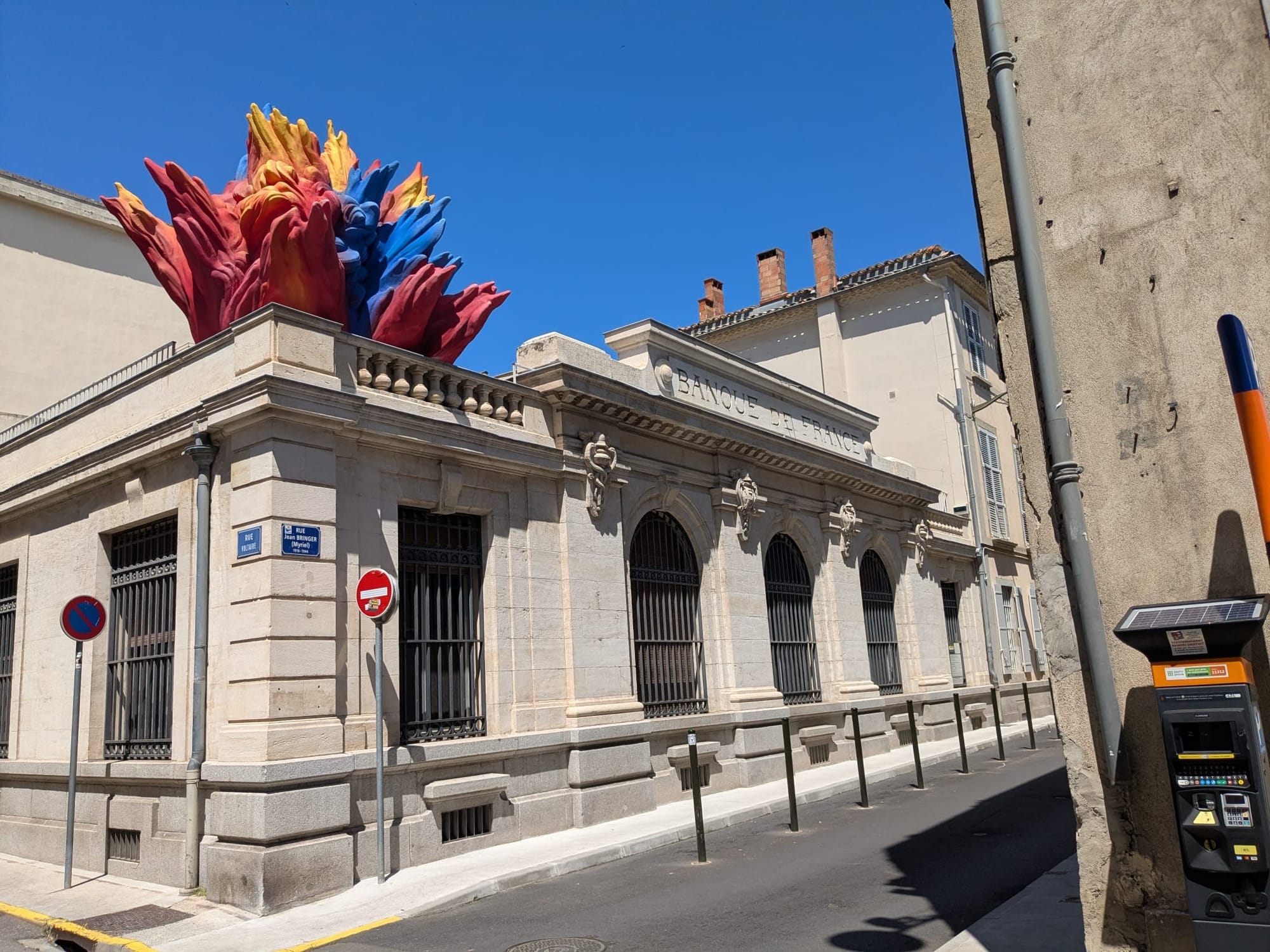
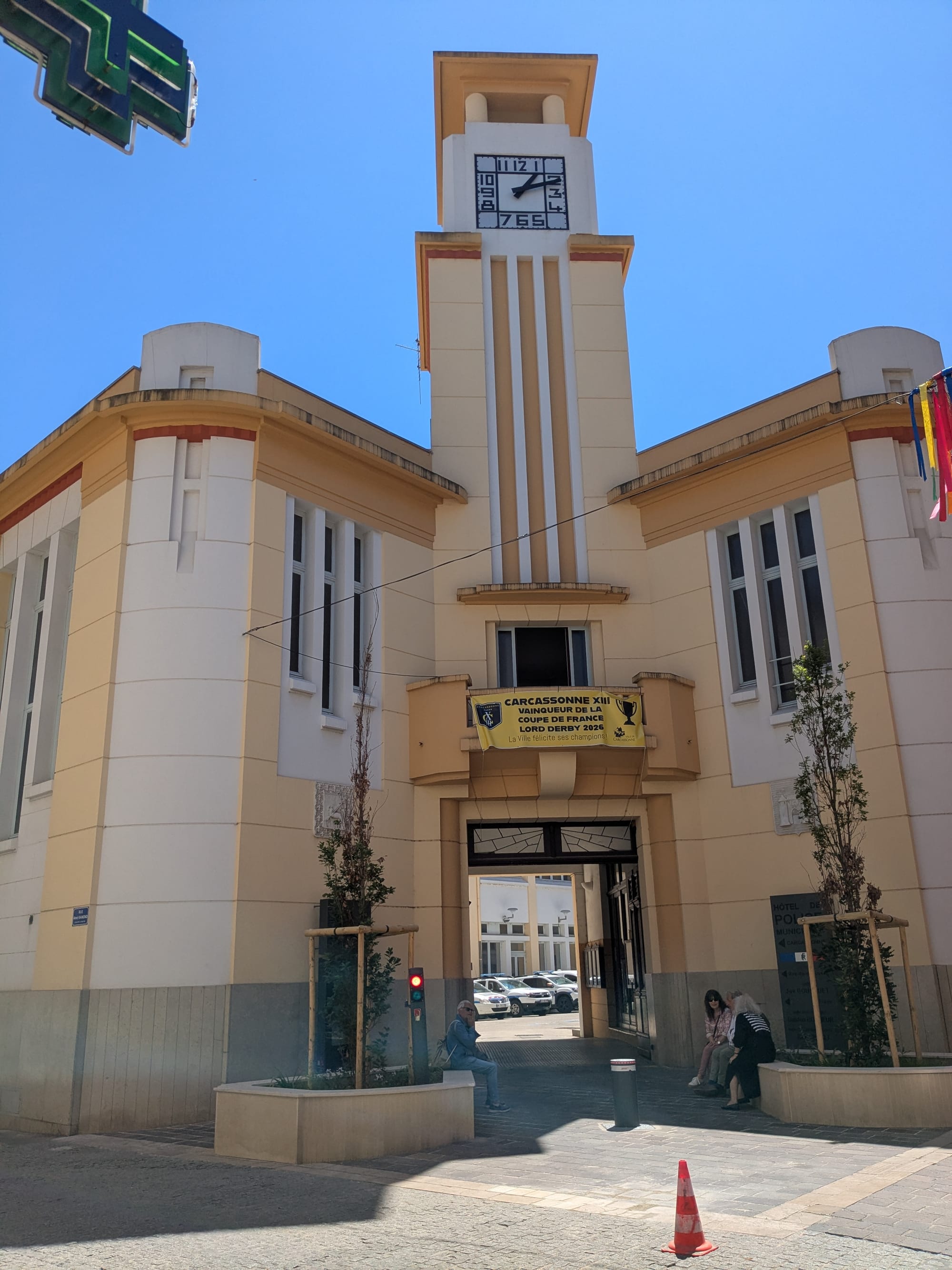
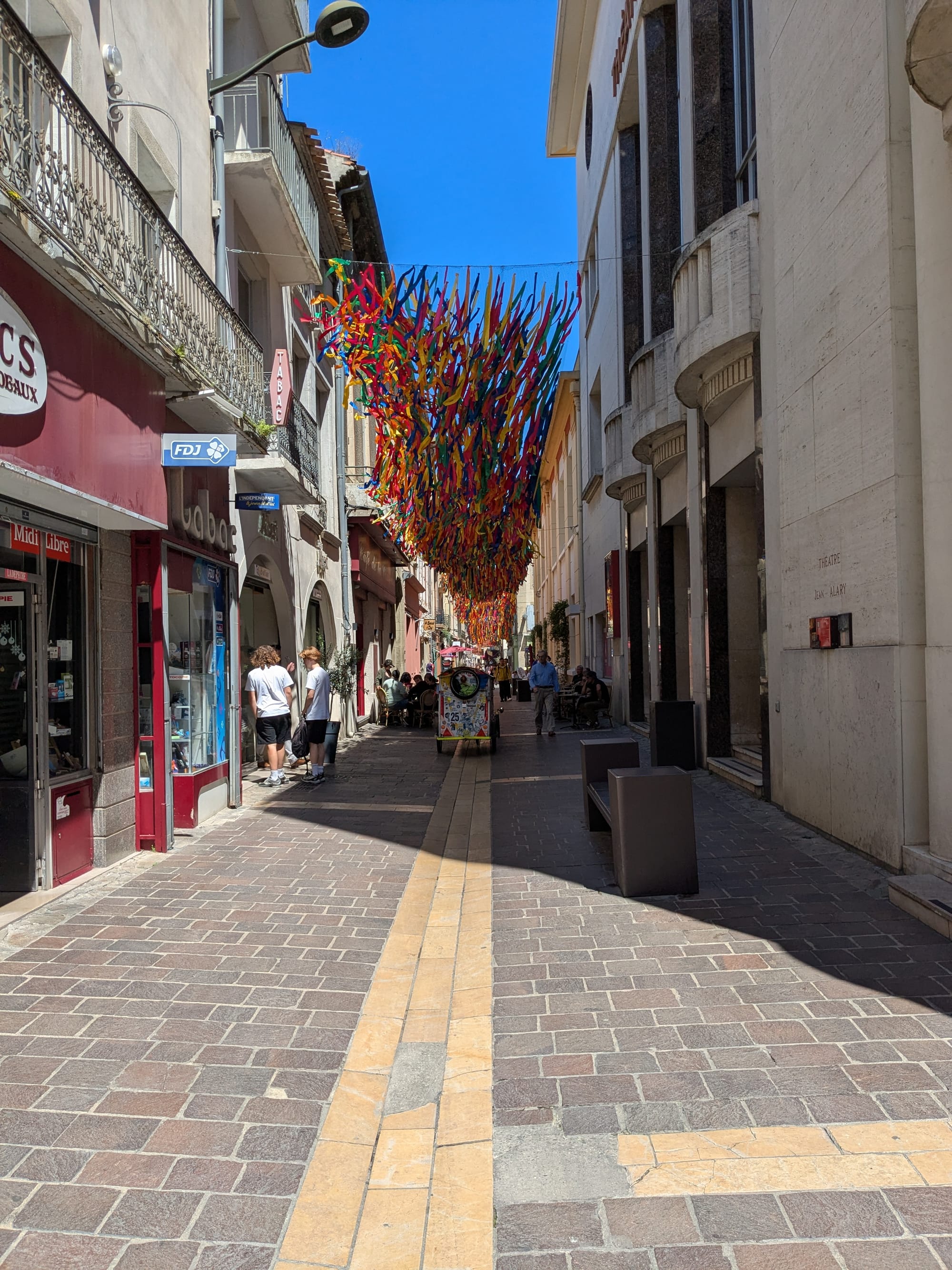
After exploring the medieval citadel, we walked down into the new city — “new” in the French sense, meaning it’s only a few hundred years old.
This part of Carcassonne is where normal life happens:
- shops
- bakeries
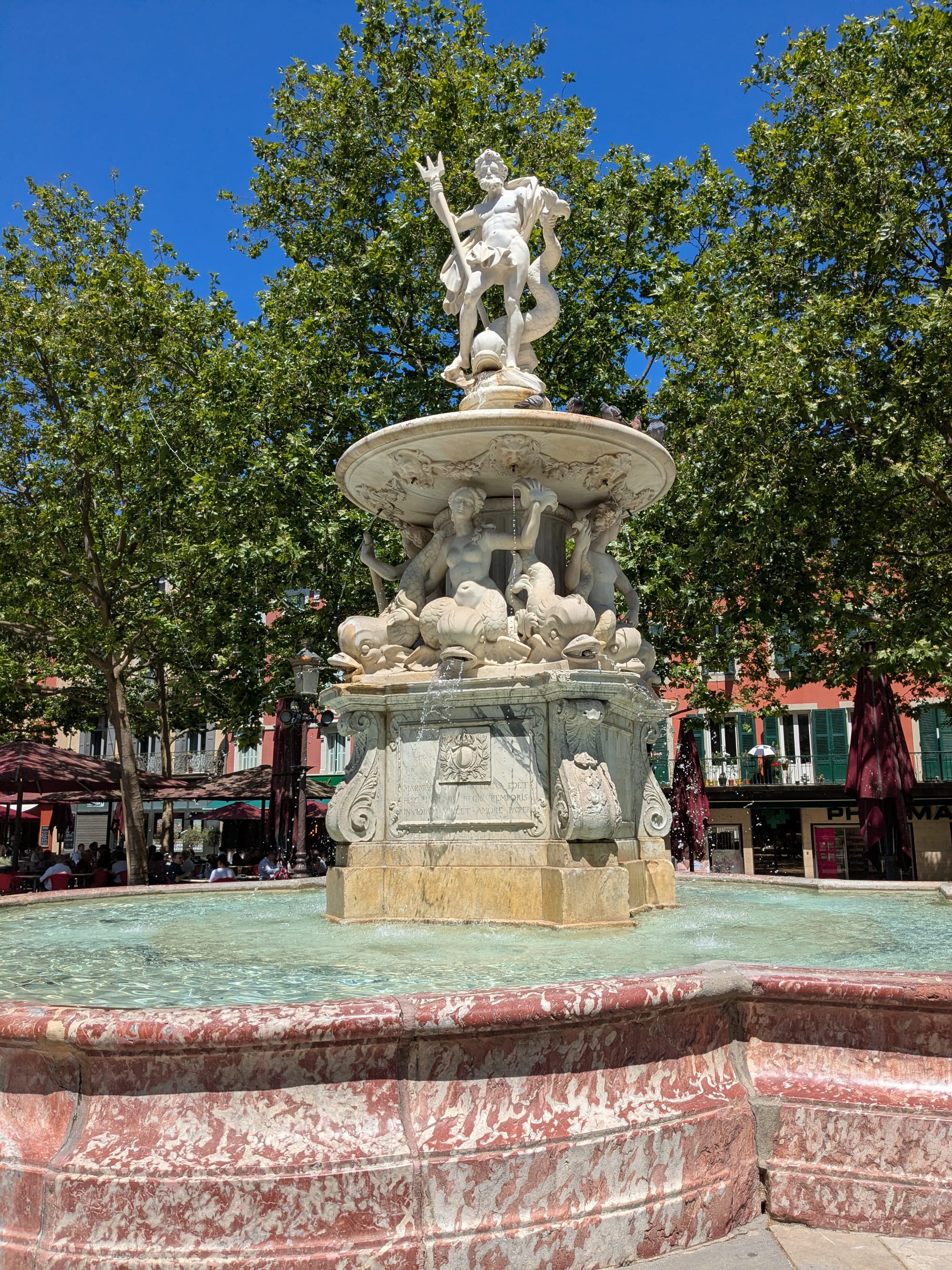
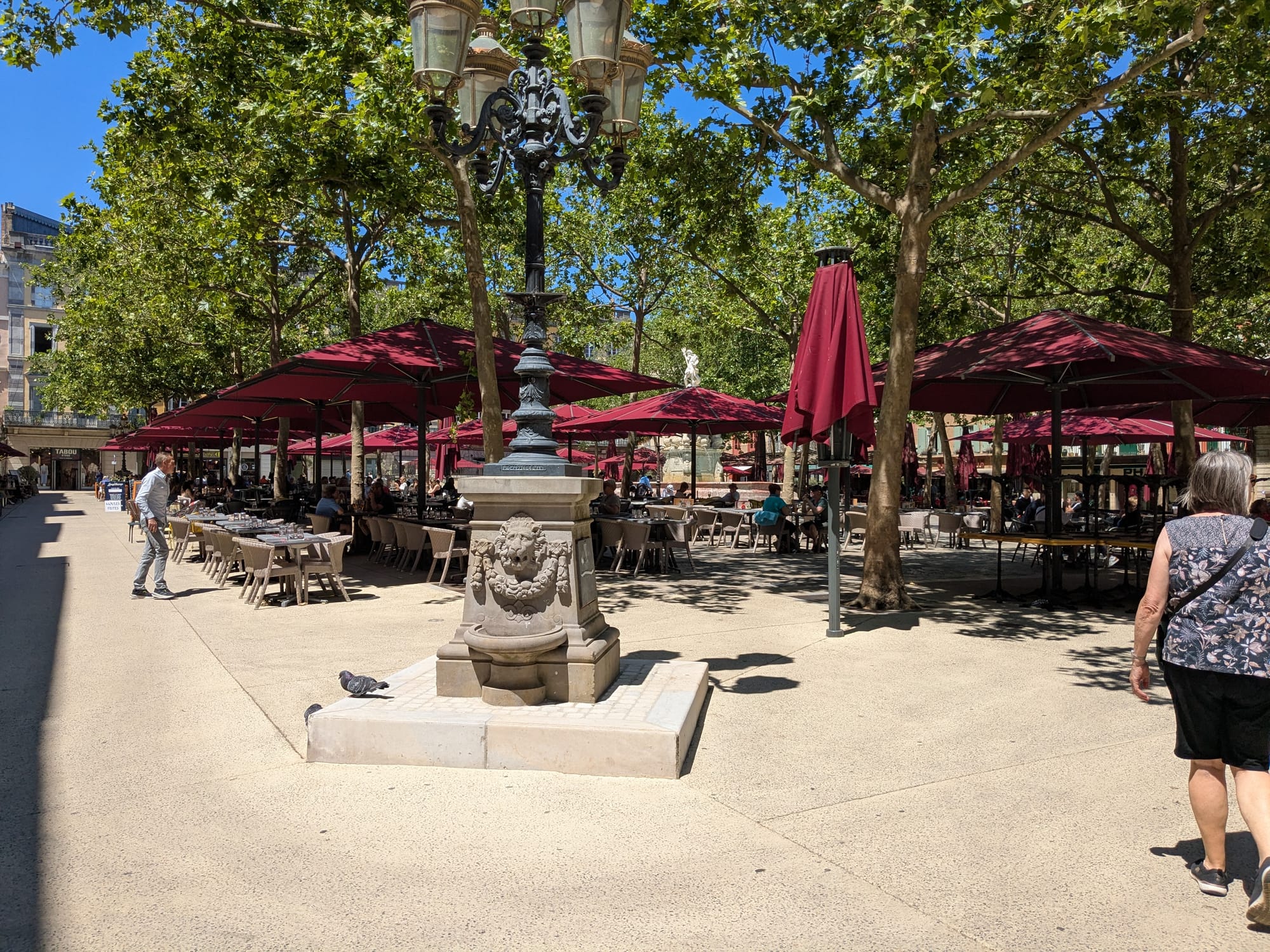
- squares shaded by plane trees
- locals who definitely avoid the medieval city in summer
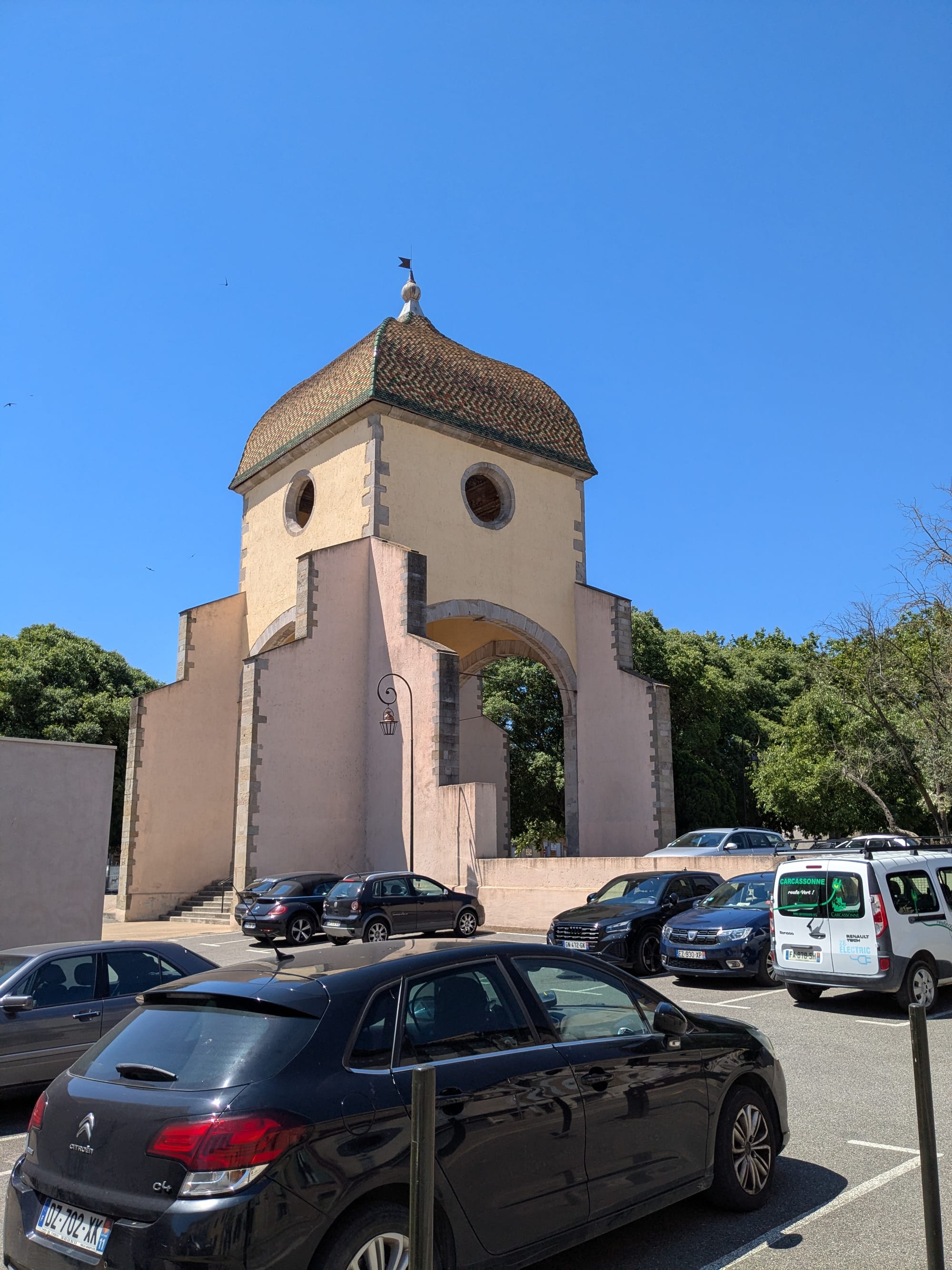
The architecture shifts from fortified stone to elegant boulevards and 18th‑century buildings. It’s calmer, more spacious, and refreshingly free of plastic swords.
We wandered through the streets, grabbed lunch, and enjoyed the feeling of being in a real city again — one where you don’t have to dodge people holding ice‑cream cones the size of their heads.
Back to the Van
Feet Aching, Hearts Happy, Bikes Still Untouched after a full day of walking, exploring, climbing, and restaurant‑counting, we made our way back along the river to the campsite.
The bikes sat exactly where we left them, smugly untouched.
And just when we thought the evening couldn’t get any more wonderfully random, Paul the Fish & Chip Chef rolled onto the campsite like a deep‑fried superhero.
A man with a van, a fryer, and the confidence of someone who knows his batter is elite.
We ordered fish and chips, and honestly — Paul delivered.
Crispy, golden, perfectly cooked… the kind of meal that makes you briefly forget you’re in the south of France. For a moment, with the smell of vinegar in the air and kids screaming in the distance, it felt like home.
Carcassonne was everything we hoped for:
- ancient
- dramatic
- slightly touristy
- full of history
- and full of food
A perfect stop on our France 2026 adventure — even if our legs filed a formal complaint afterwards.