Annecy: Mountains, Waterways & A Sat‑Nav With Questionable Intentions
Our Annecy adventure had everything: a nerve‑jangling mountain pass, a sat‑nav that sent us down a dead‑end beside a cycle track, peloton cyclists overtaking us at warp speed, medieval canals, lakeside cycling, and a surprisingly fascinating visit to the Paccard Bell Museum.
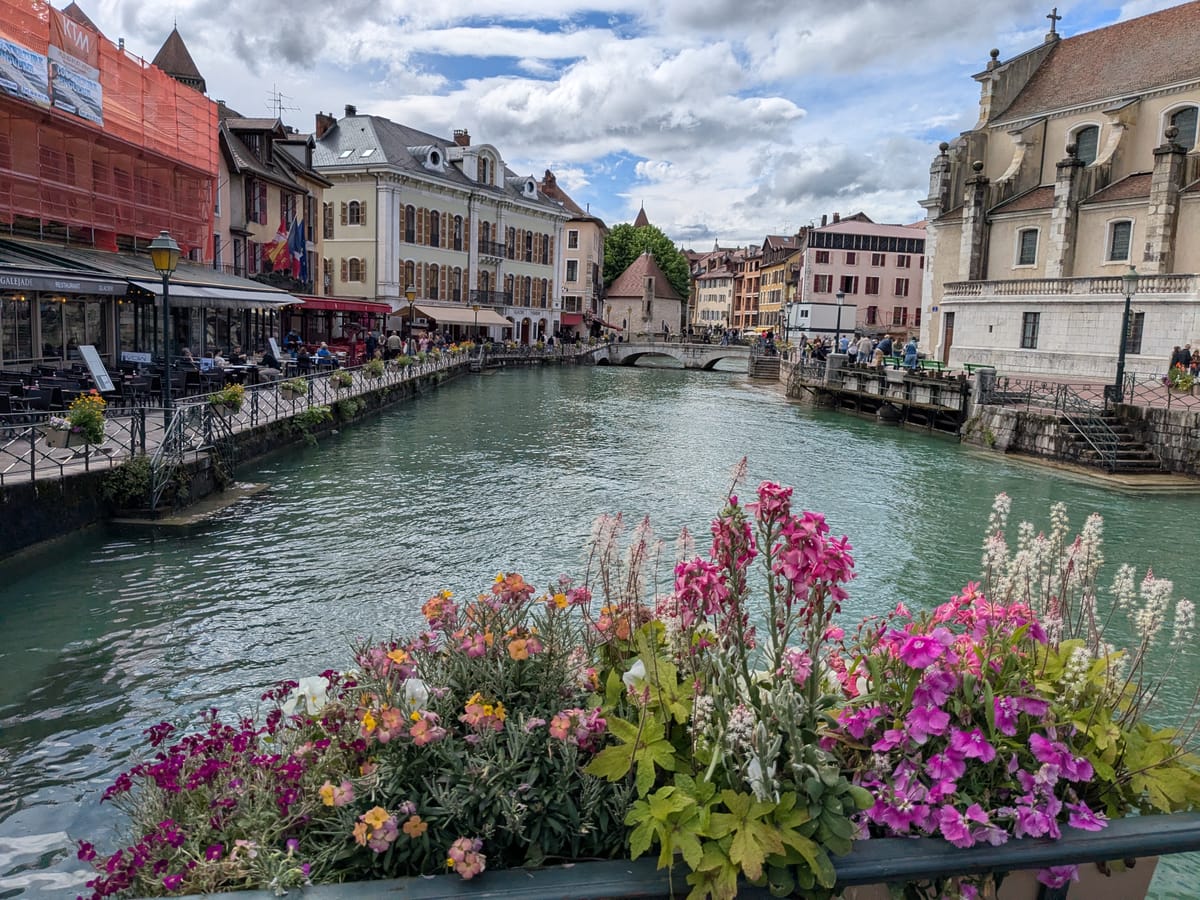
Annecy is often described as the “Venice of the Alps.”
Which is accurate if Venice had mountains, Lycra‑clad speed demons, and a road network designed by someone who wanted to test your nerves.
We arrived in Annecy full of optimism.
We left with stronger legs, ringing ears, and a deep suspicion of our sat nav's intentions.
Let’s begin with the part where a SUV nearly became a bonnet ornament.
The Mountain Pass
A Scenic Route… If You Enjoy Adrenaline and Questionable Decisions
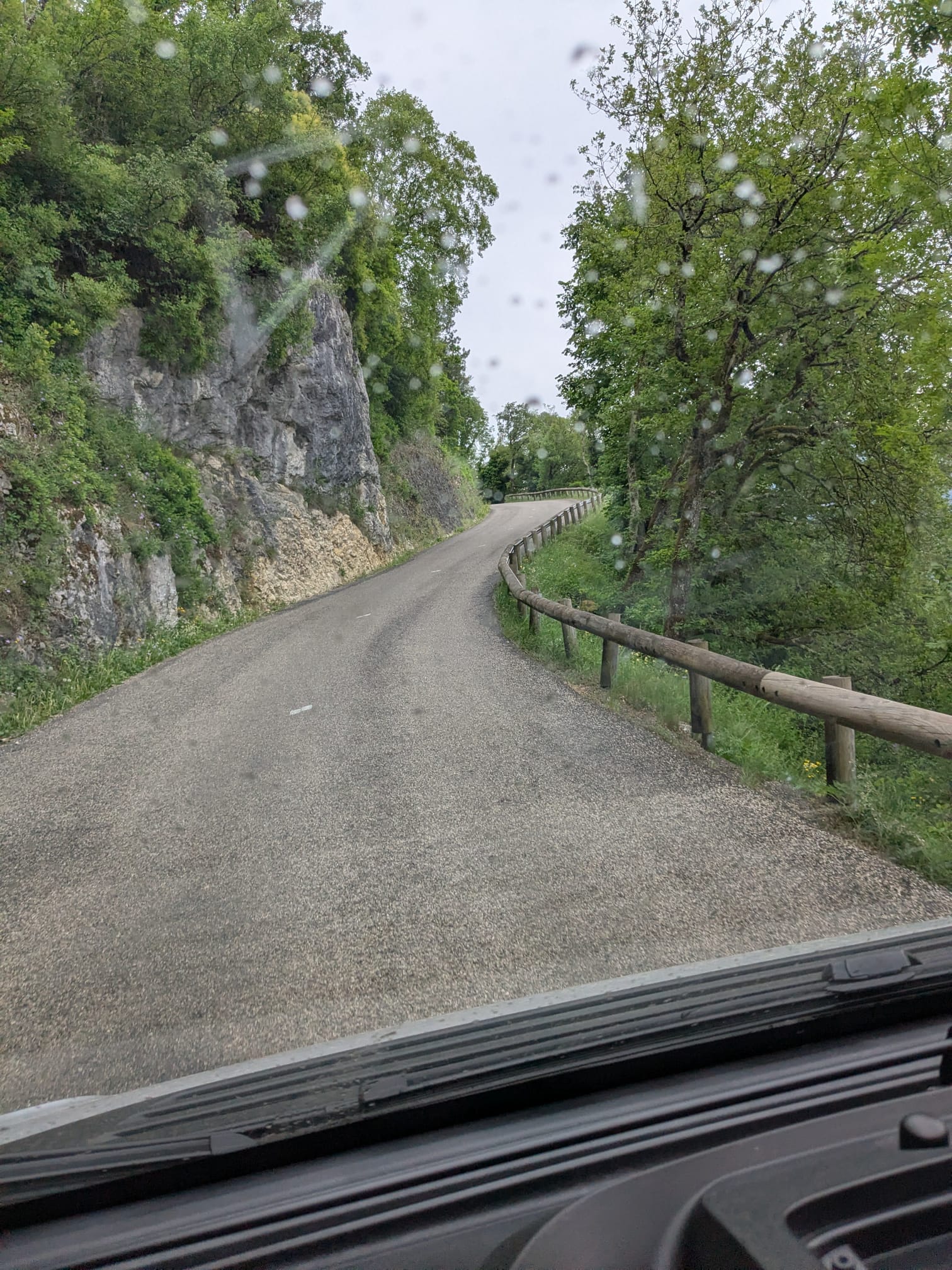
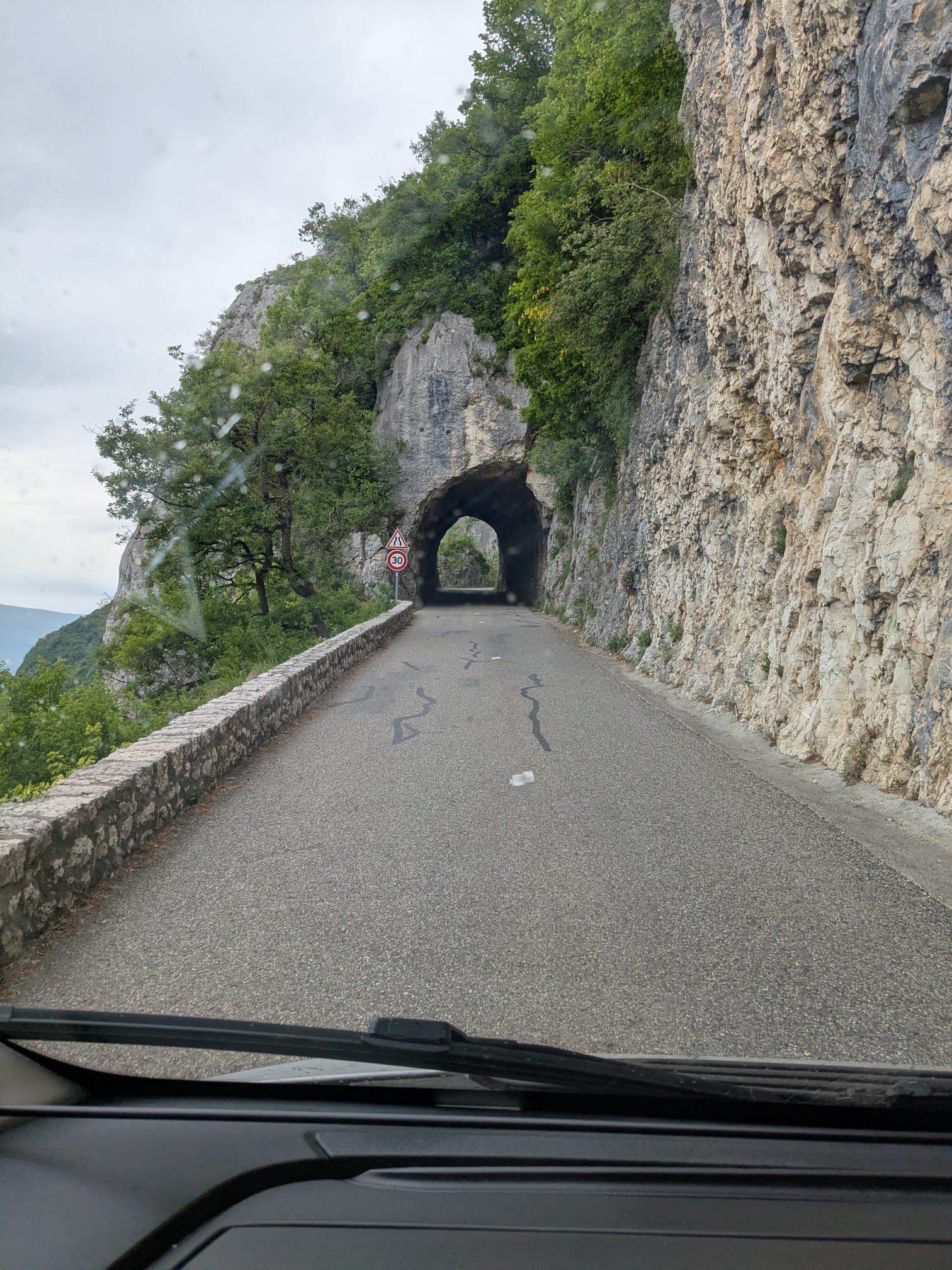
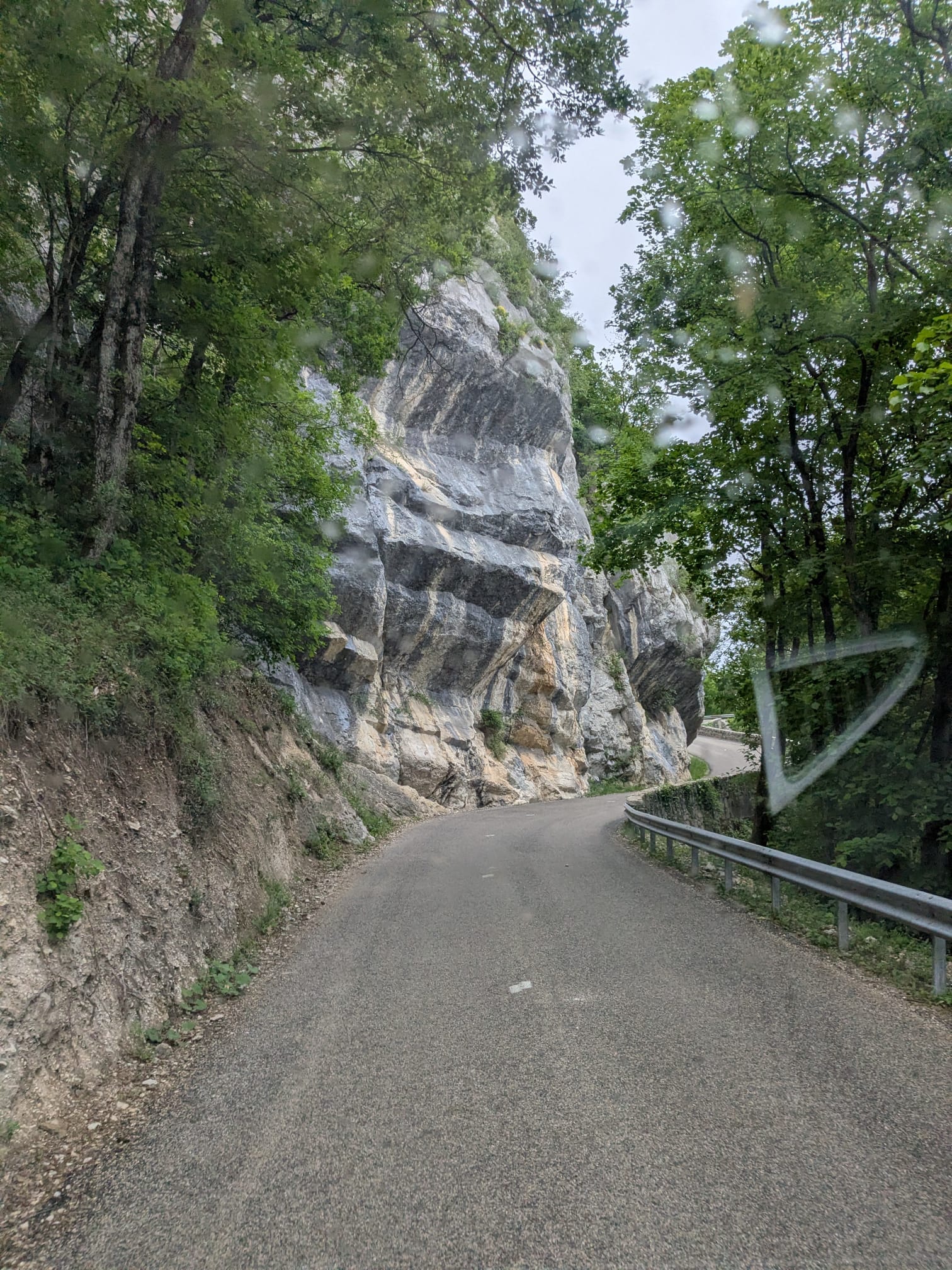
In a moment of boldness (or delusion), we decided to drive into Annecy over the mountains, because the signs said we just met the maximum vehicle size allowed.
Technically correct.
Although emotionally scarring.
The road narrowed.
Then narrowed again.
Then narrowed to the point where we began wondering if the van had secretly put on weight.
Every corner was a blind bend.
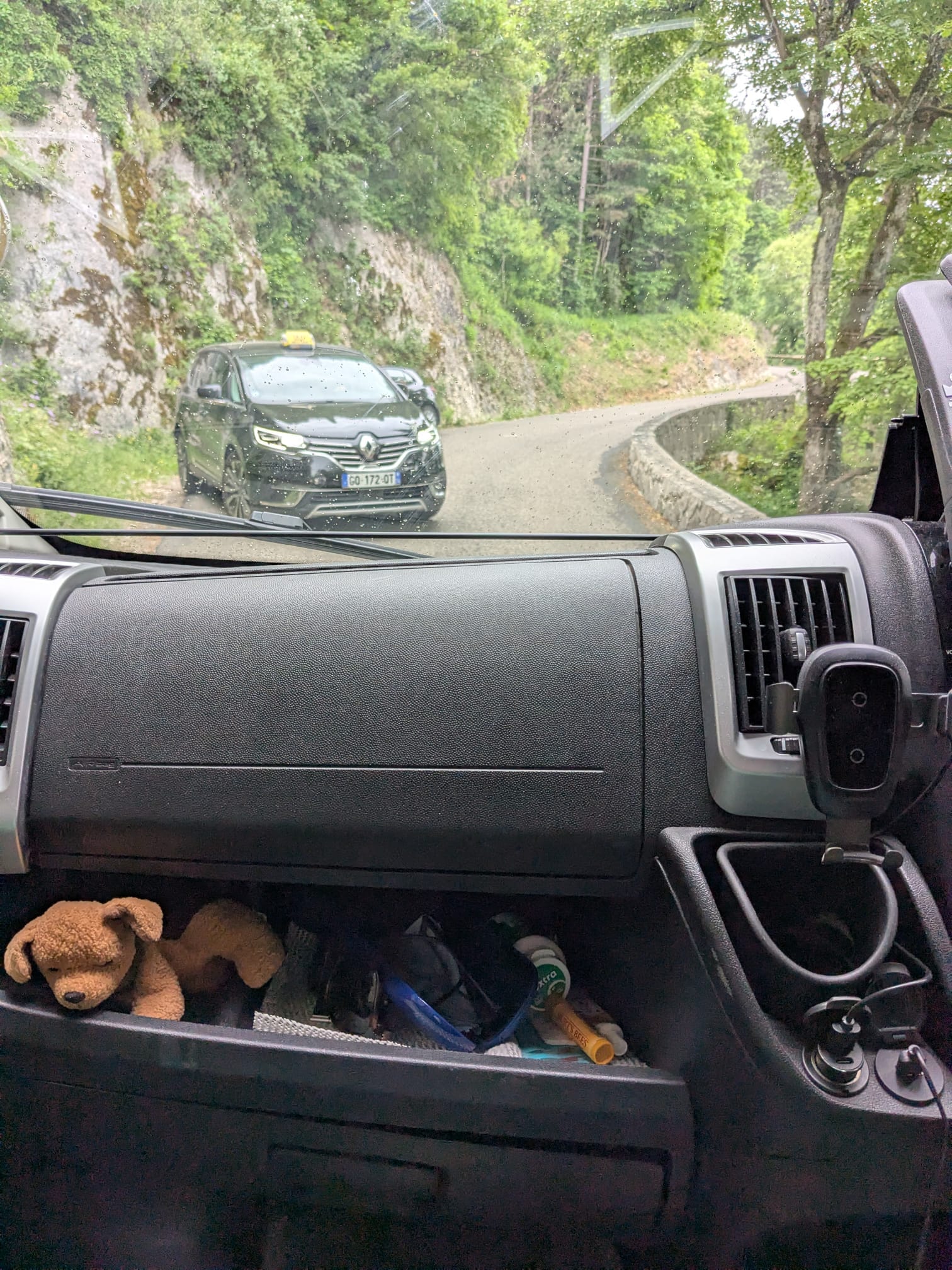
Every blind bend contained a car coming the other way.
Every driver coming the other way gave us the same look:
“Why would you bring THAT up HERE?”
At one point, a passing SUV squeezed by with millimetres to spare — we’re pretty sure we shared DNA afterwards.
But we made it.
And with only minor fingernail marks embedded in the dashboard.
Camping Au Cœur du Lac
A Lakeside Haven… Once You Actually Find the Entrance
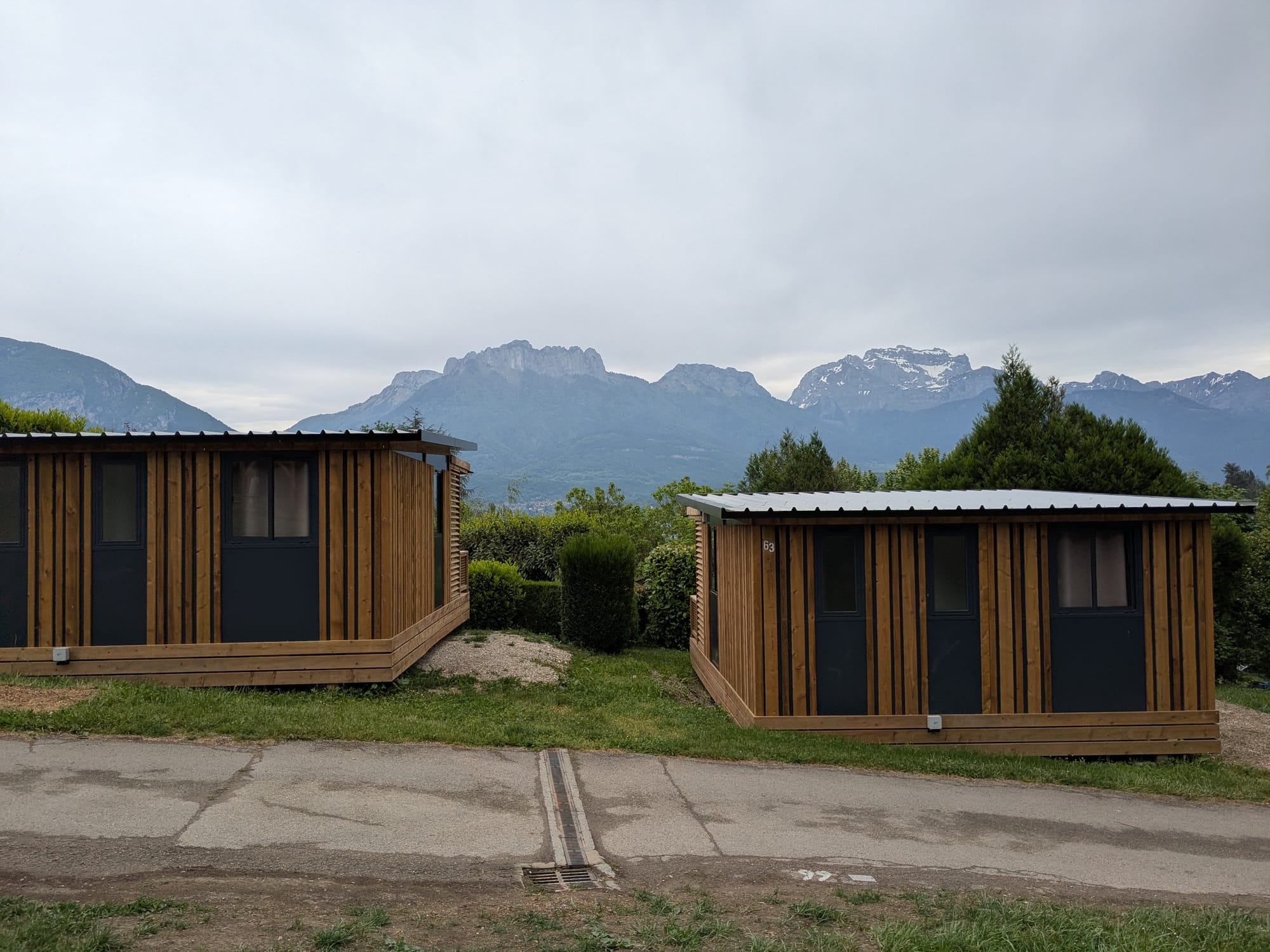
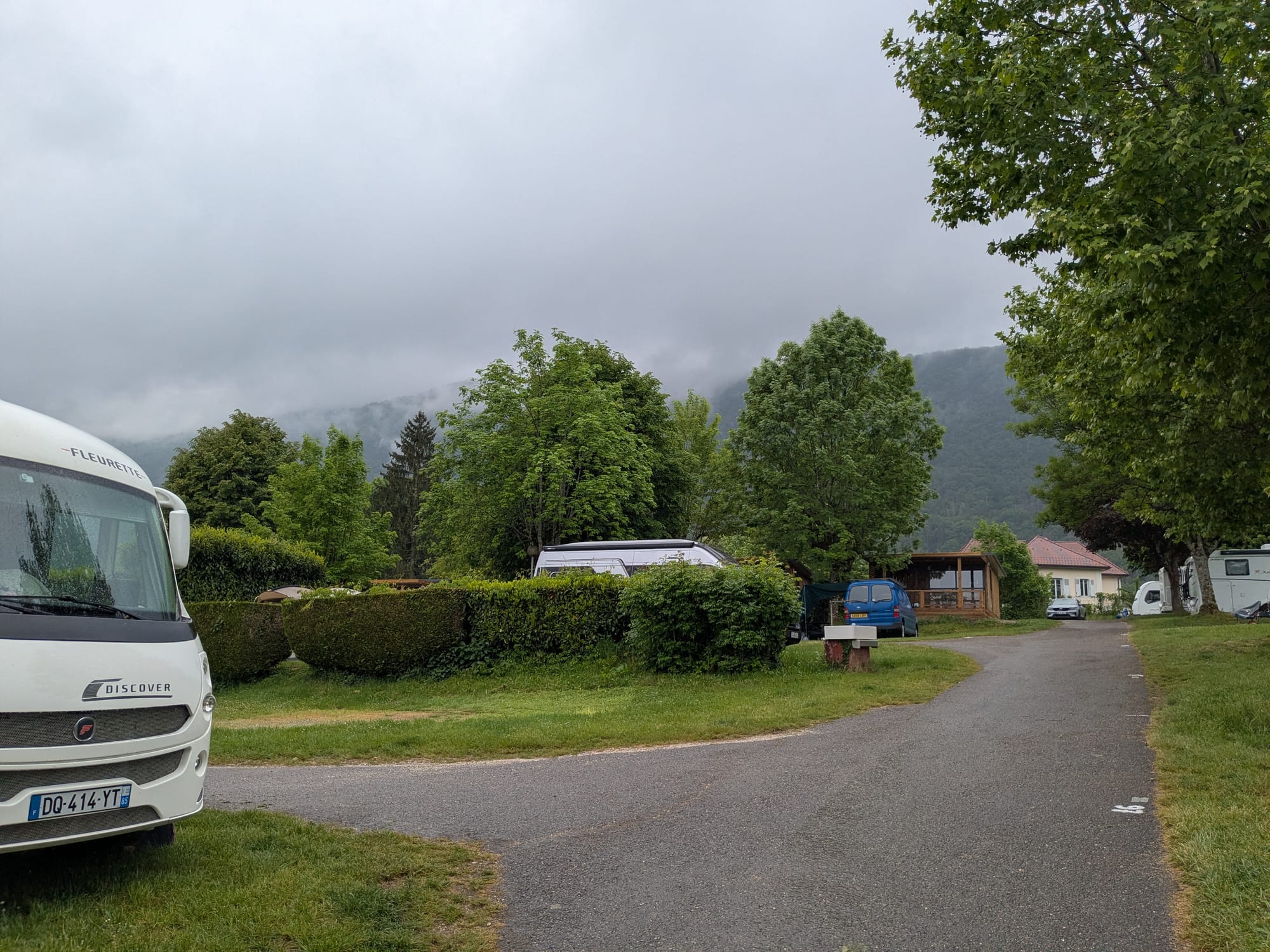
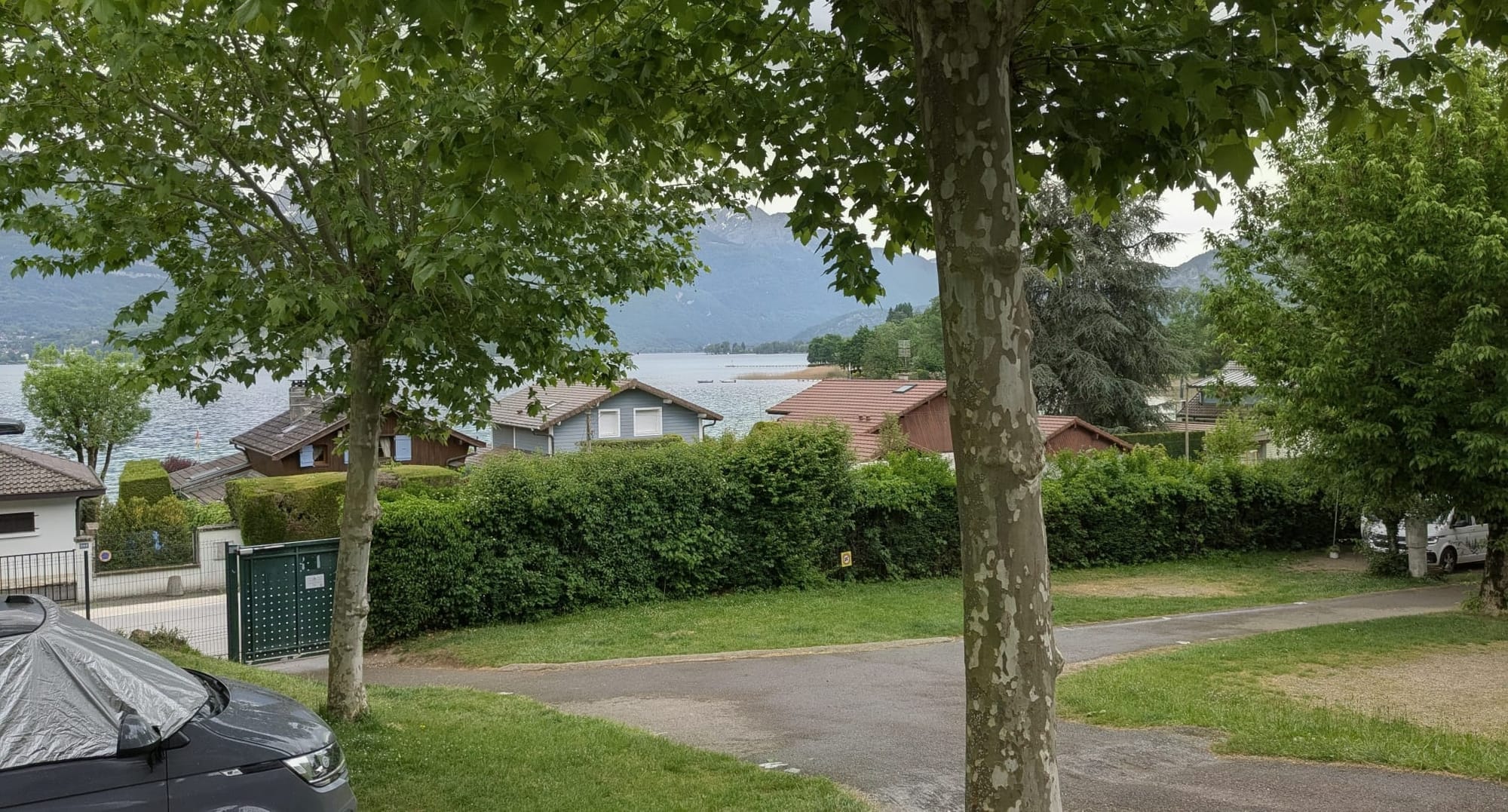
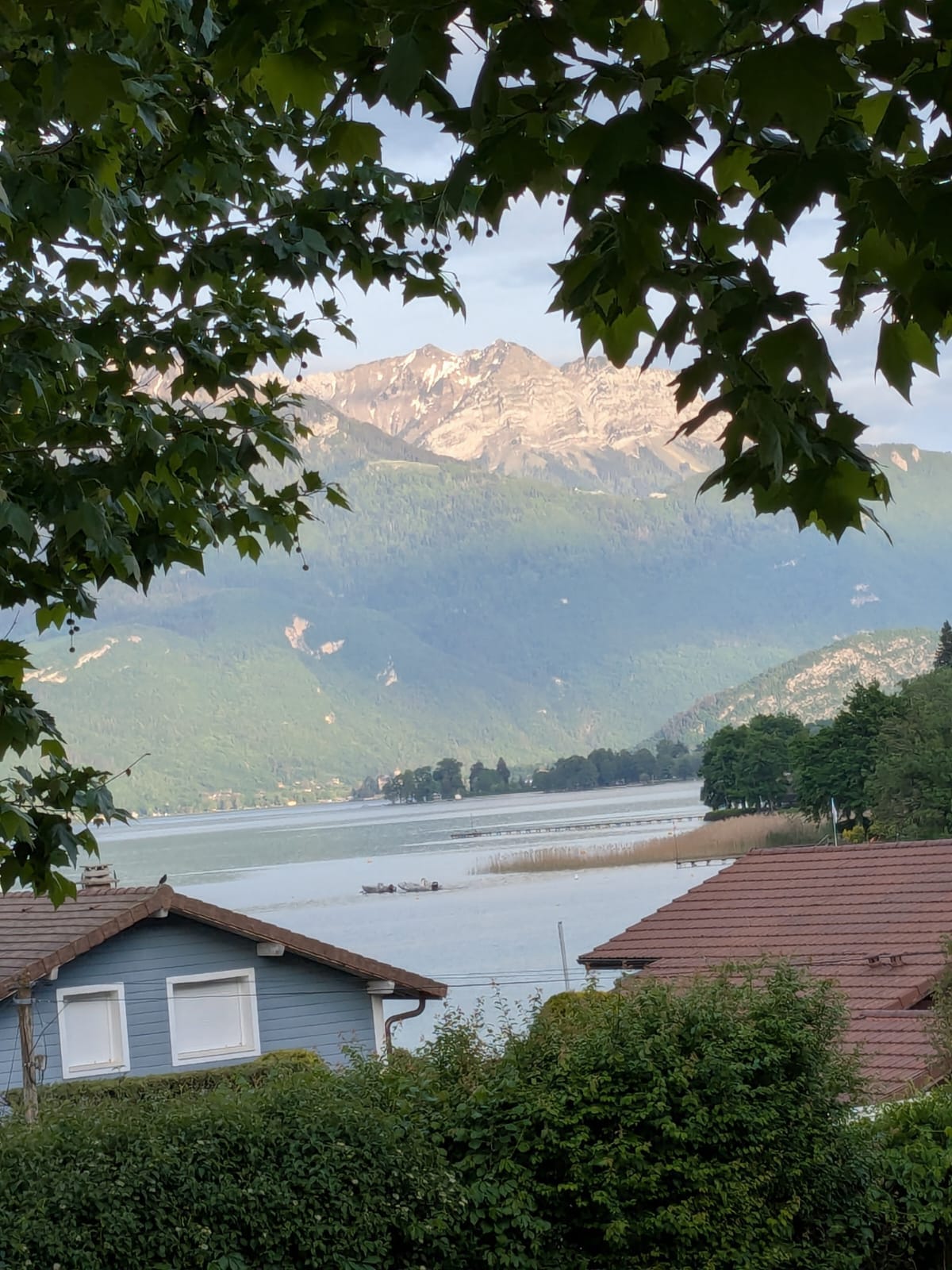
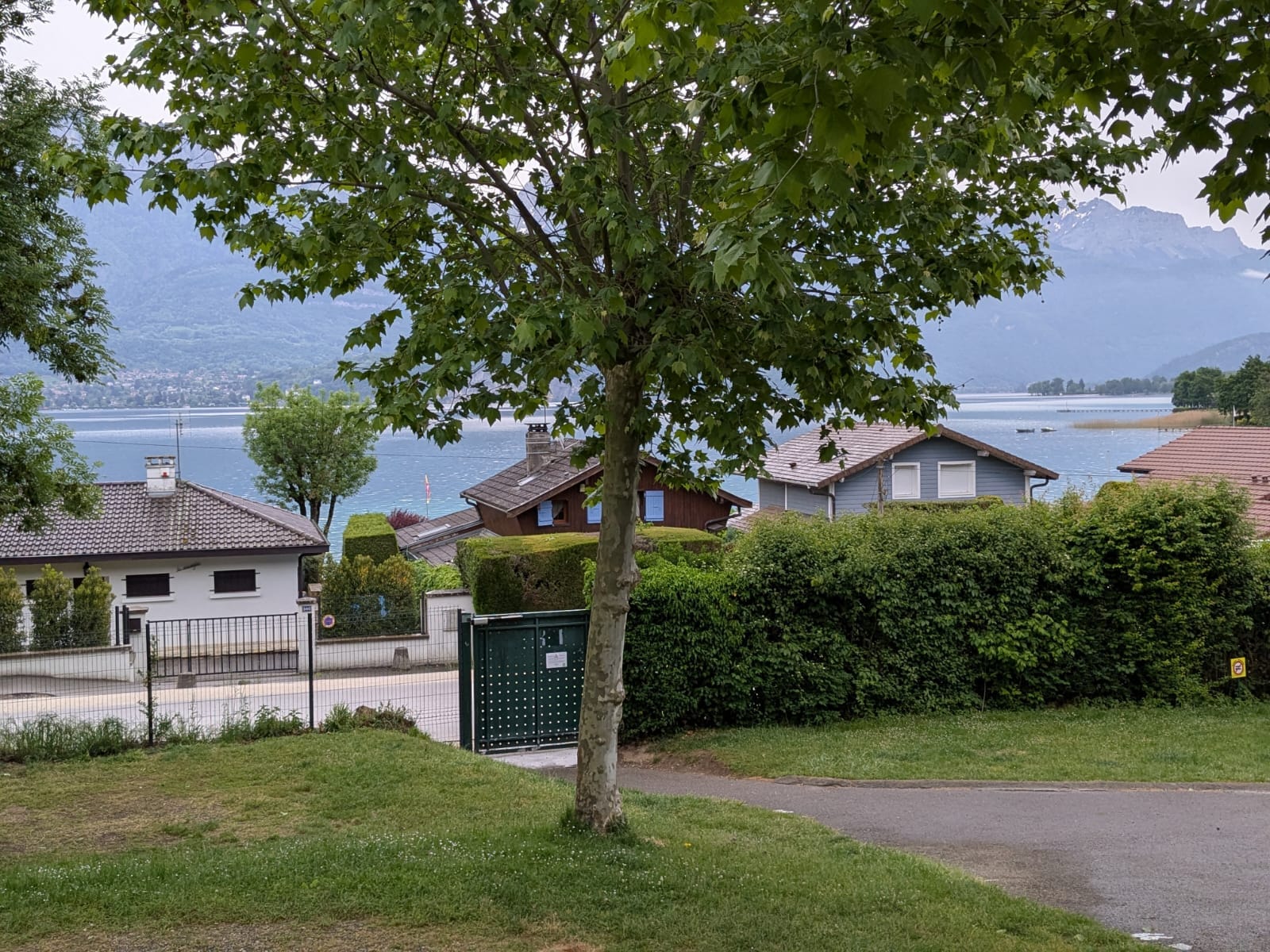
Our campsite for the stay was Camping Au Cœur du Lac, a peaceful, shady spot overlooking the lake.
Getting to it, however, was a comedy sketch.
The sat nav, in its infinite wisdom, decided the best and shortest way to enter the campsite was via a small access road that ran alongside a cycle track.
A busy cycle track.
A cycle track that absolutely did not allow any motorised vehicles on it.
We reached the end, realised the mistake, and had to perform a full reverse manoeuvre onto the cycle lane while Lycra‑clad locals zoomed past at 40mph, giving us looks ranging from amused to “I’m calling the mayor.”
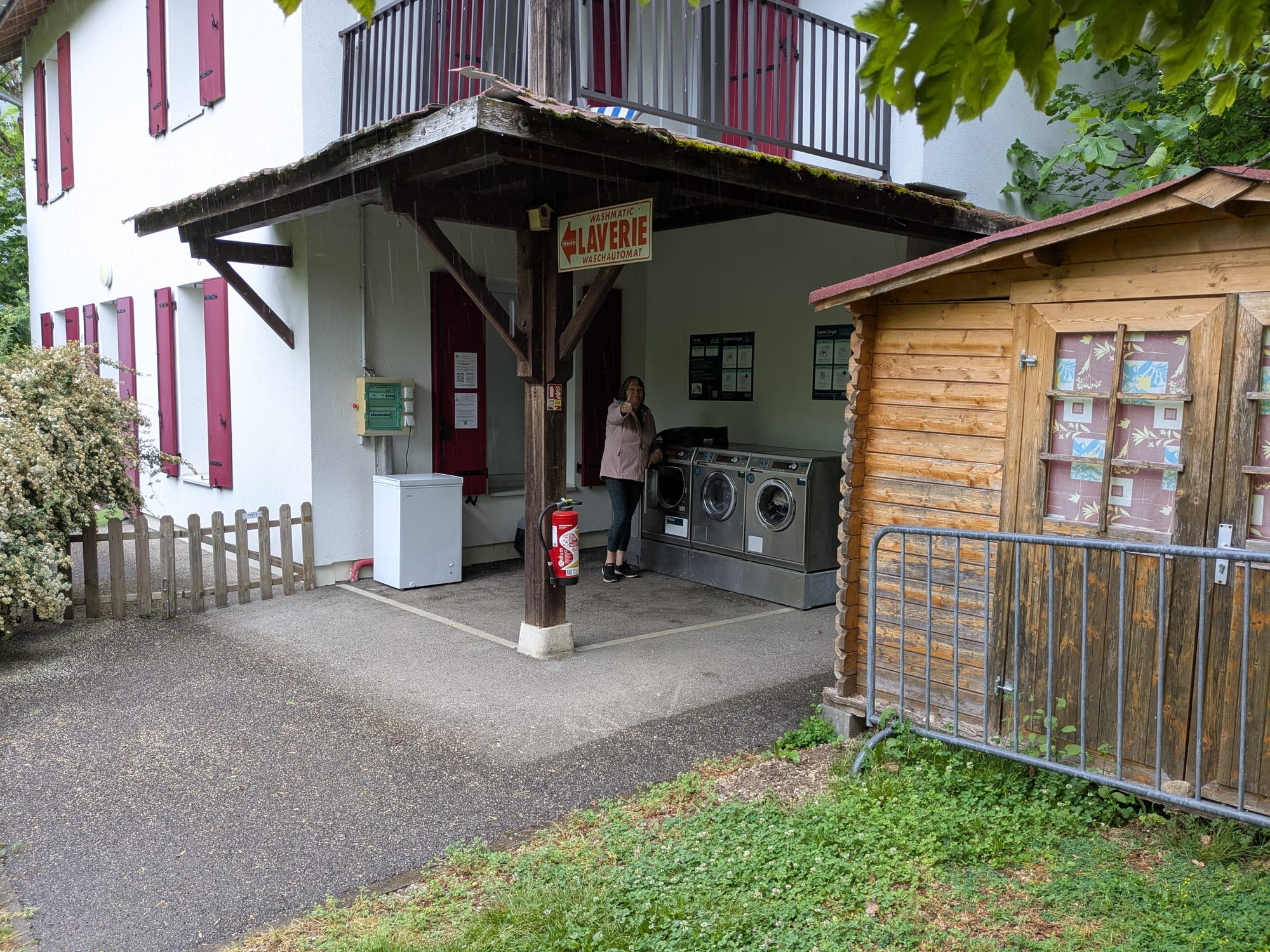
But once we were actually inside the campsite, everything was lovely — calm, green, and perfectly placed for exploring Annecy.
Cycling Into Annecy
Where the Cycle Paths Are Beautiful… and adrenaline‑spiking
Annecy has cycle tracks everywhere.
It’s like the city planners decided cars were optional and bikes were the future.
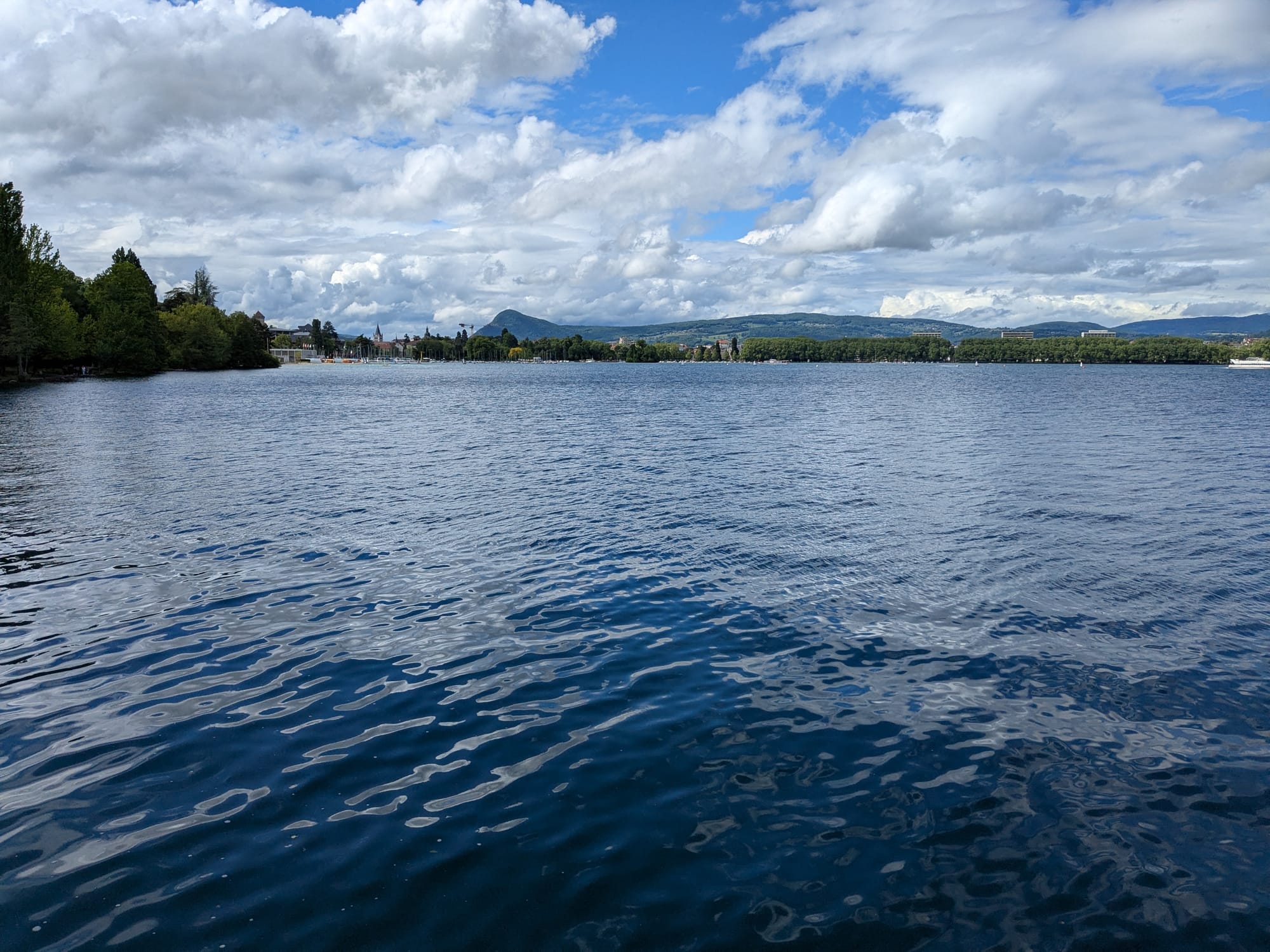
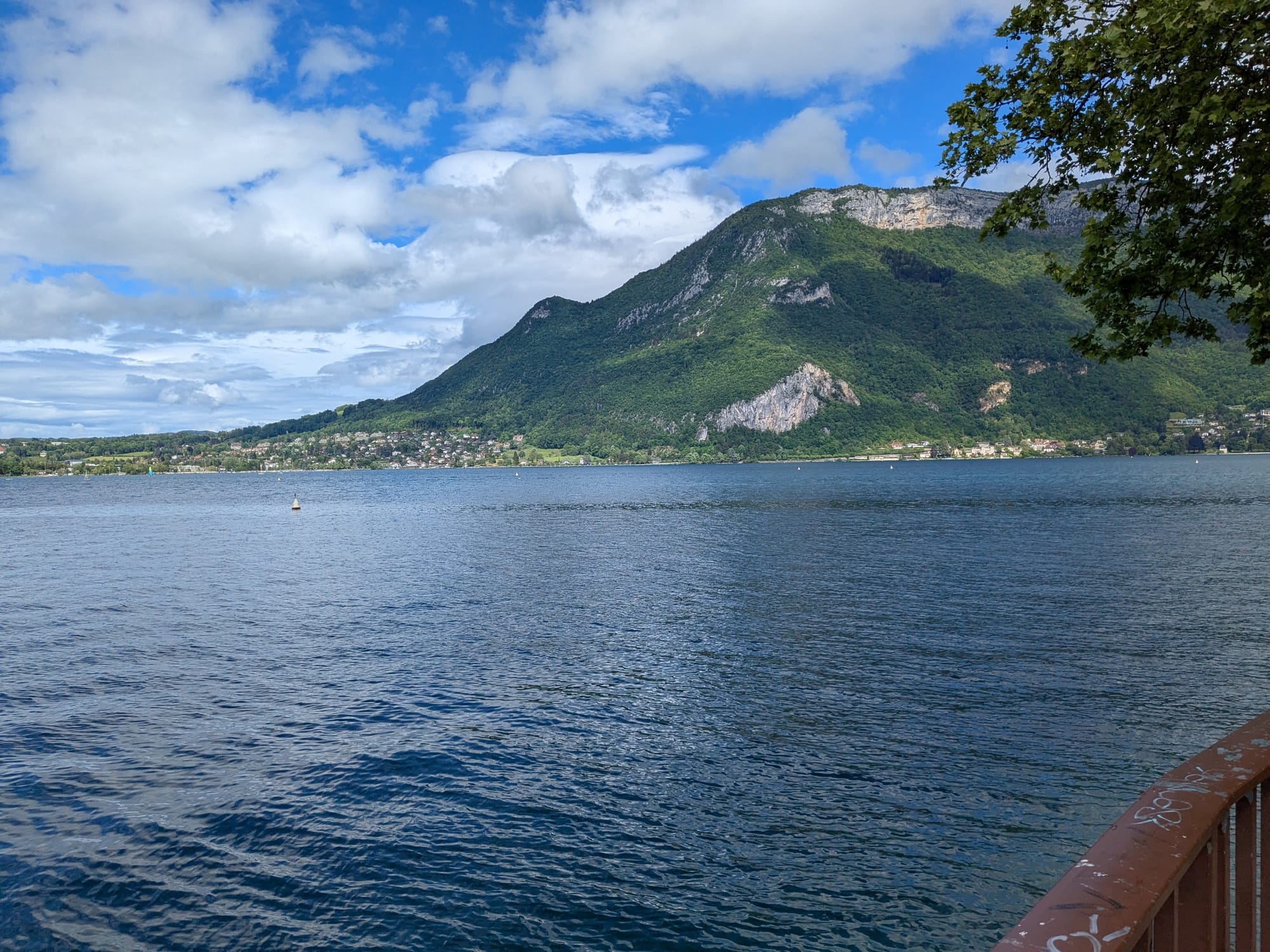
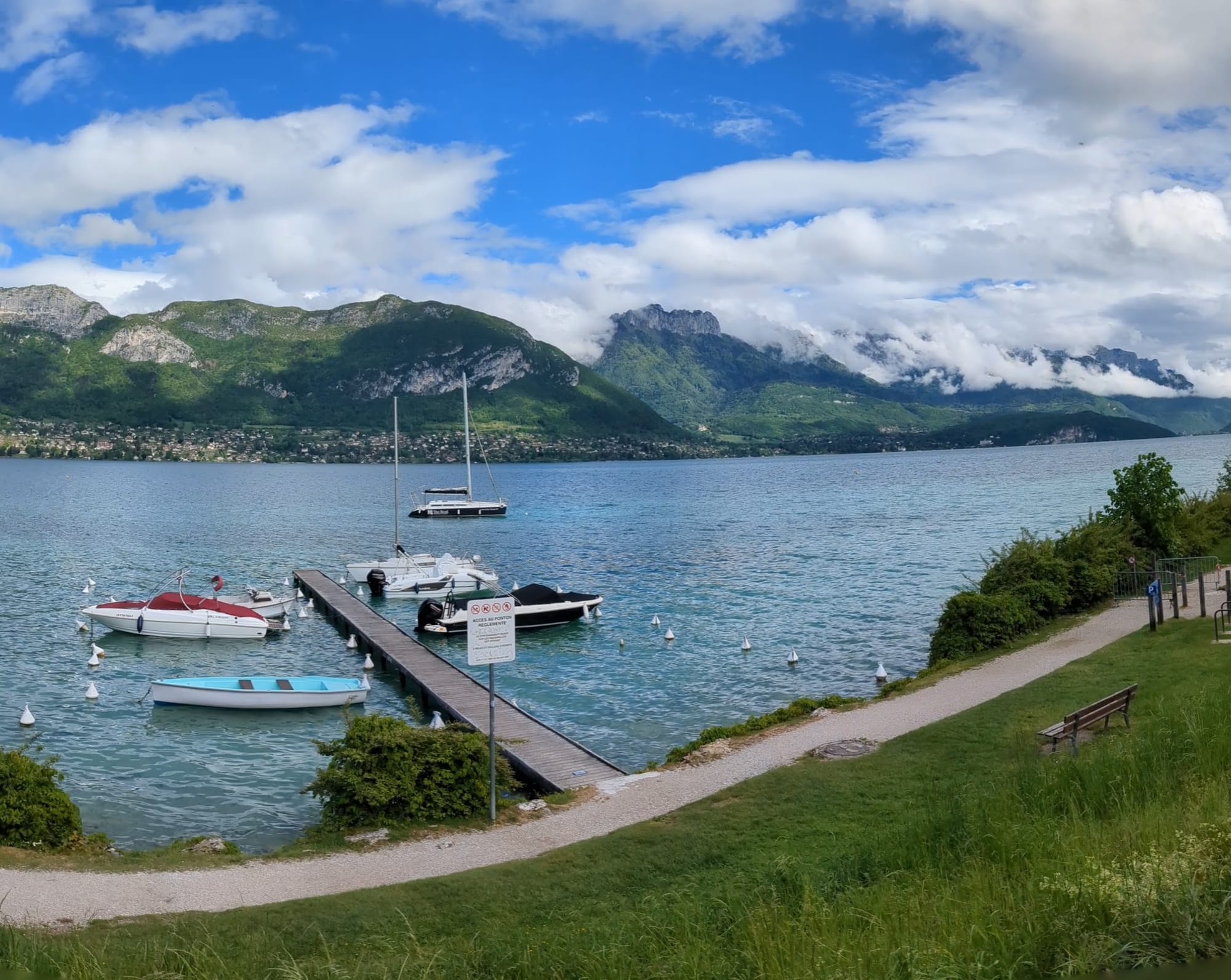
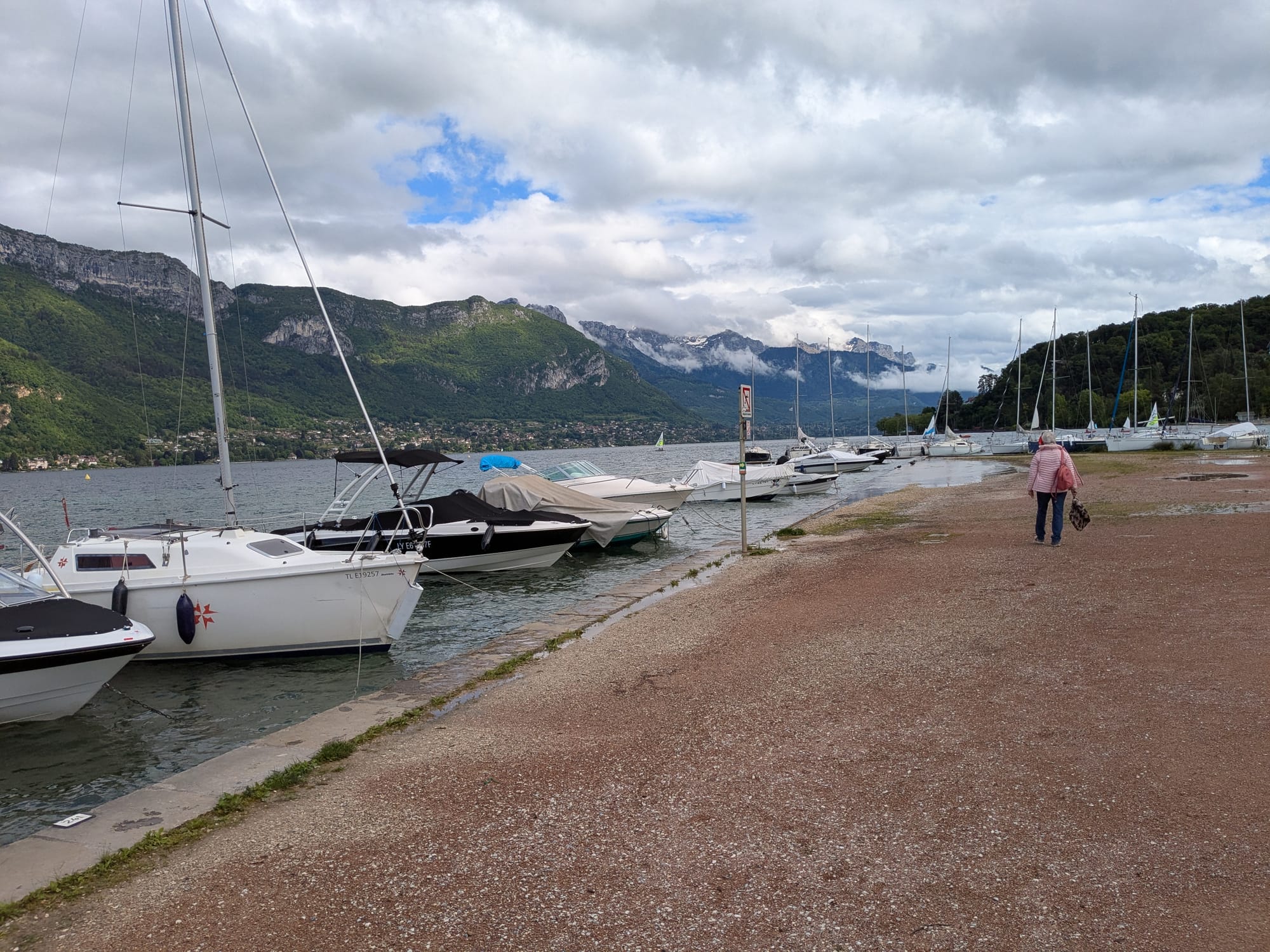
We hopped on our bikes and followed the lakeside path into town — smooth, scenic, and full of people who clearly cycle far more often than we do.
And then there’s the peloton training squads.
These are not cyclists.
These are aerodynamic missiles disguised as humans.
They appear silently in front of you or behind you, overtake at warp speed, and vanish before you’ve even processed the blur of carbon fibre and calf muscles.
We tried to keep up once.
For a few seconds.
Then we remembered we enjoy breathing.
Annecy Old Town
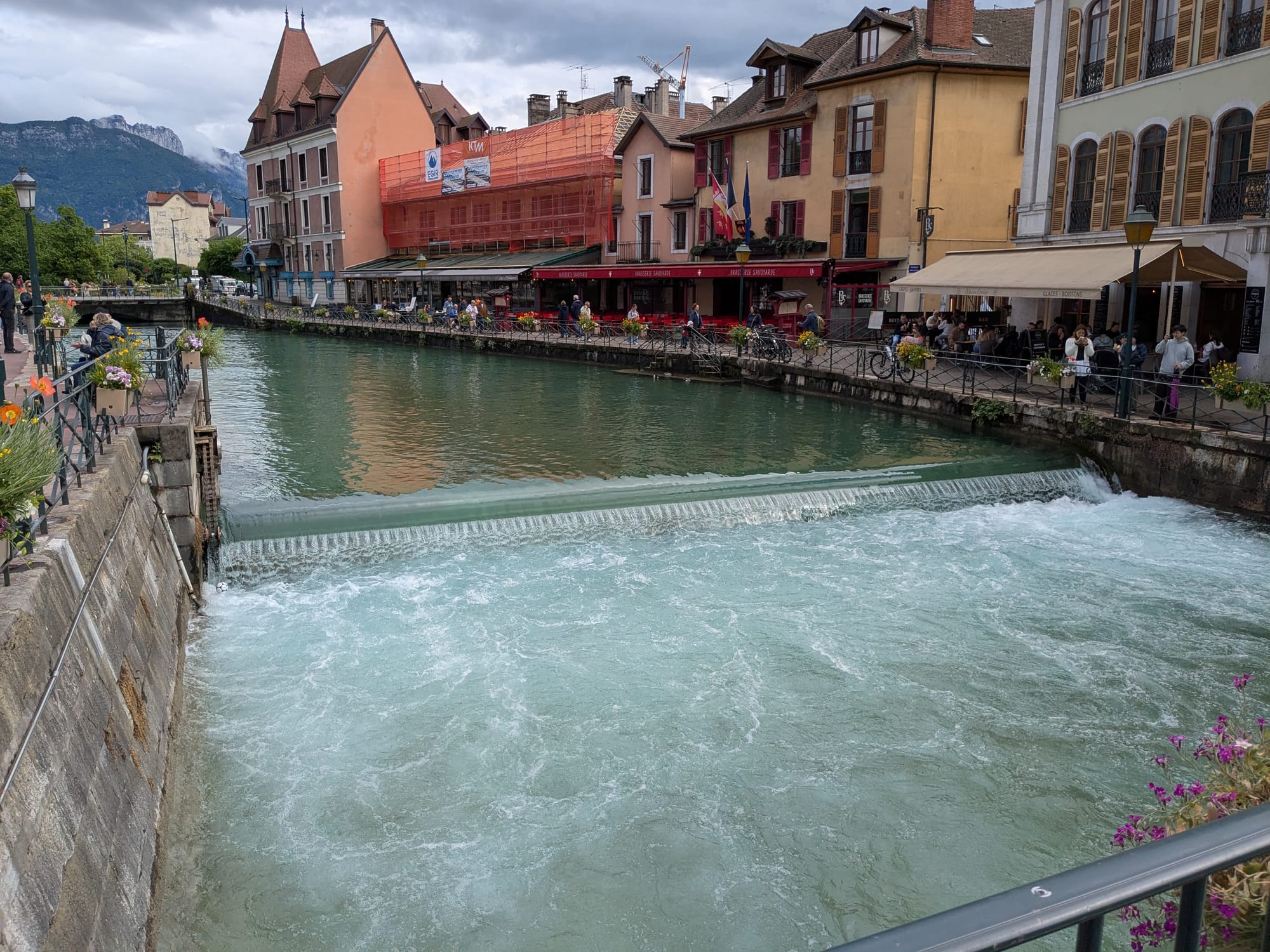
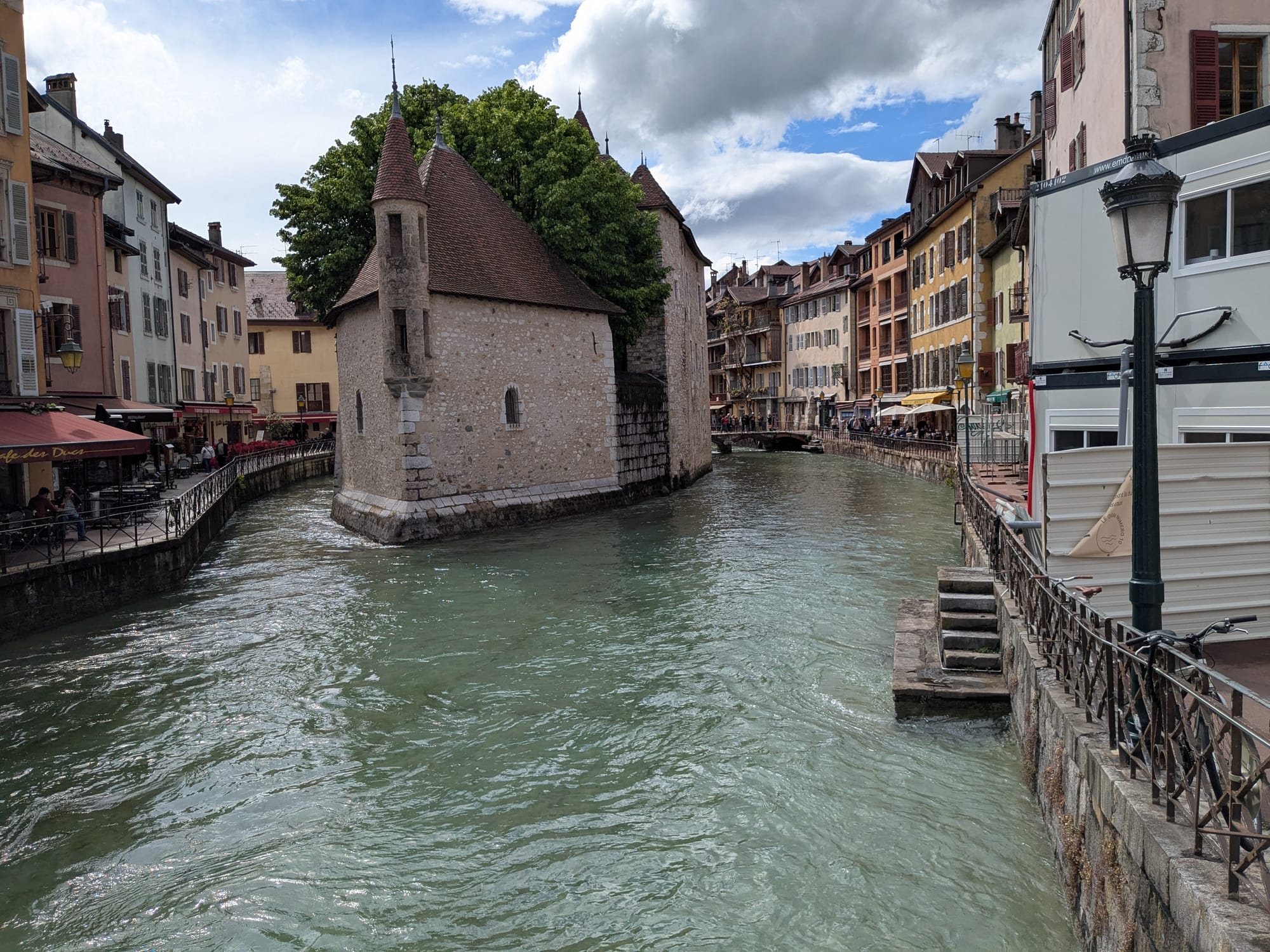
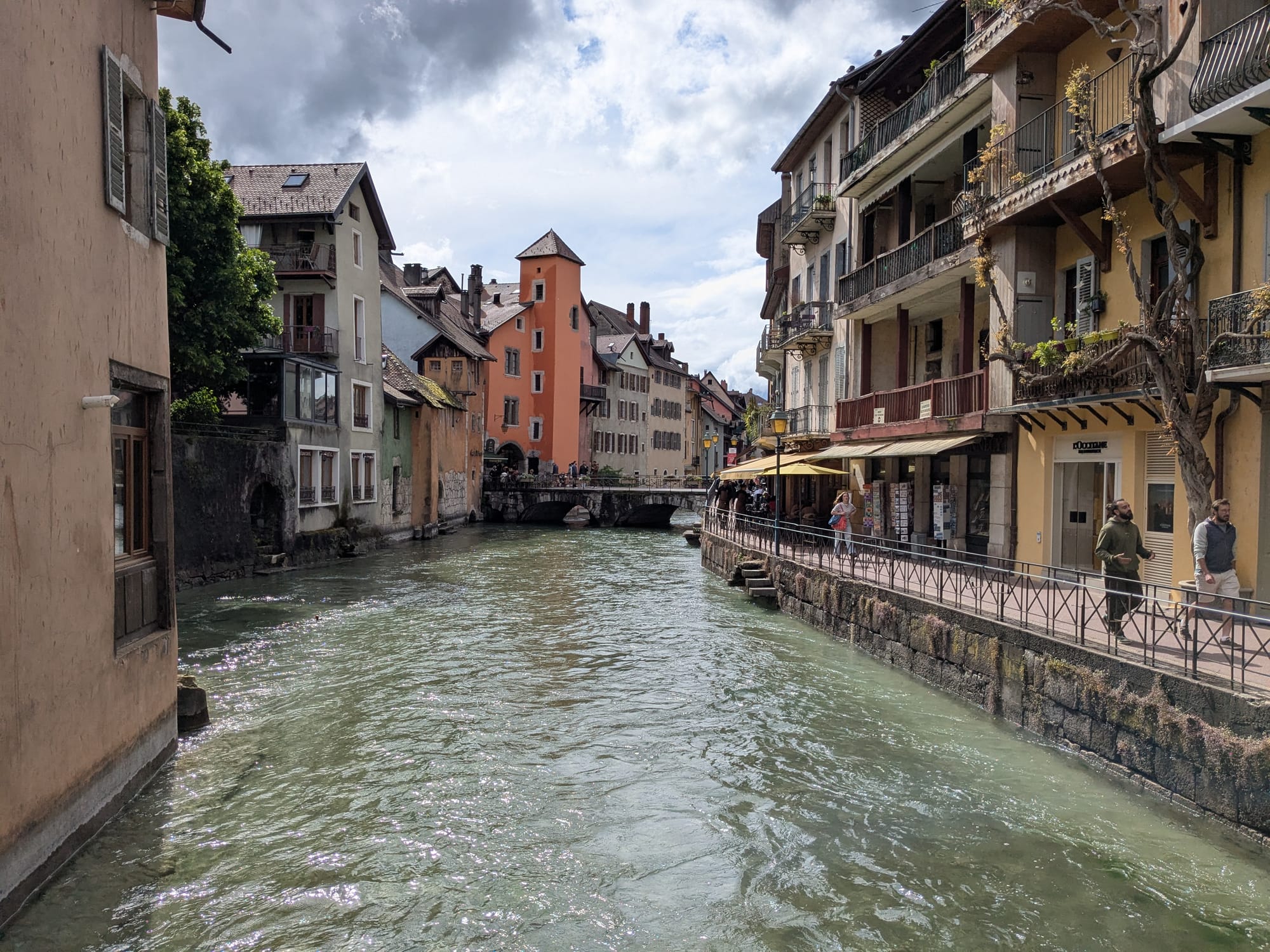
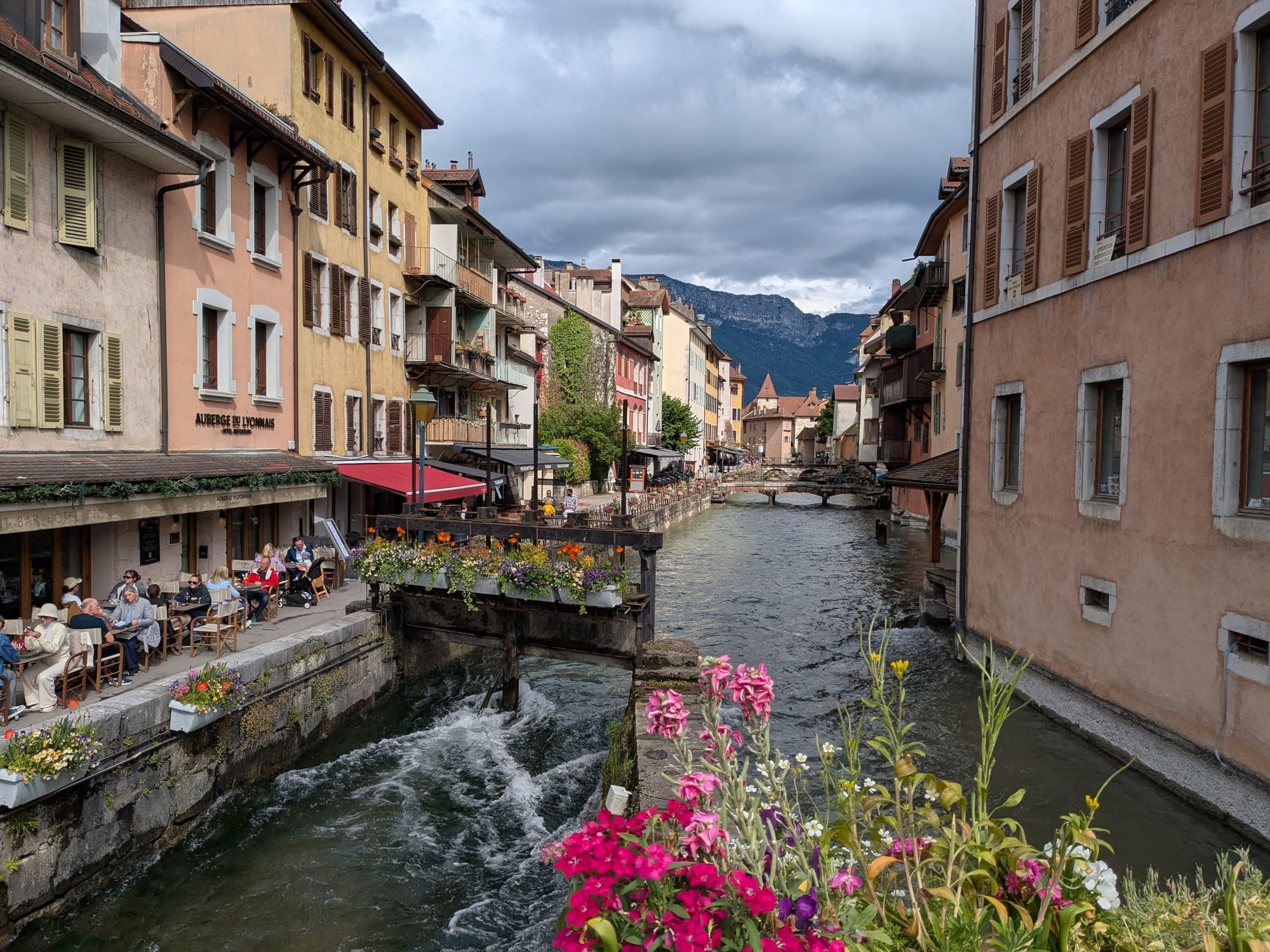
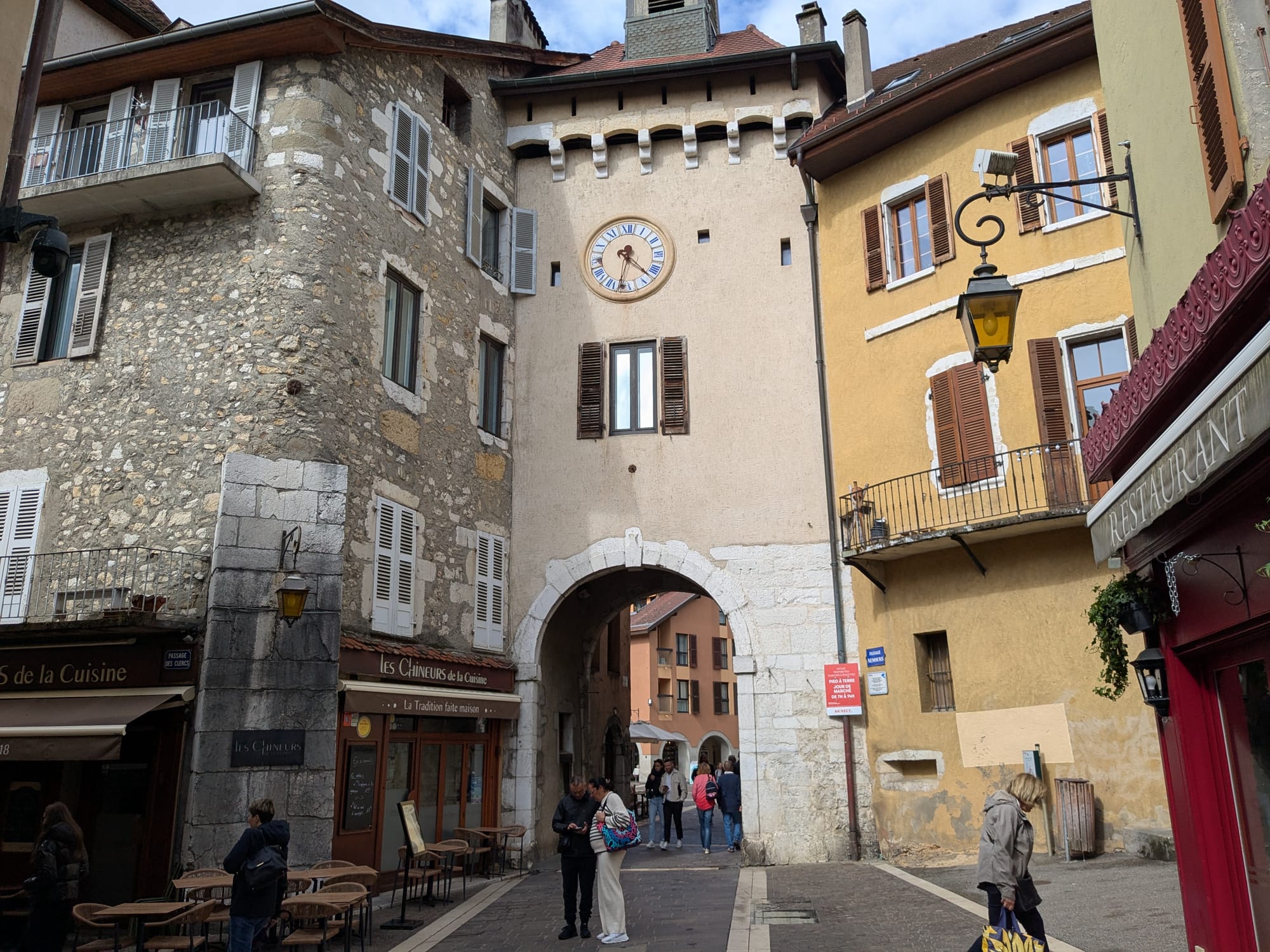
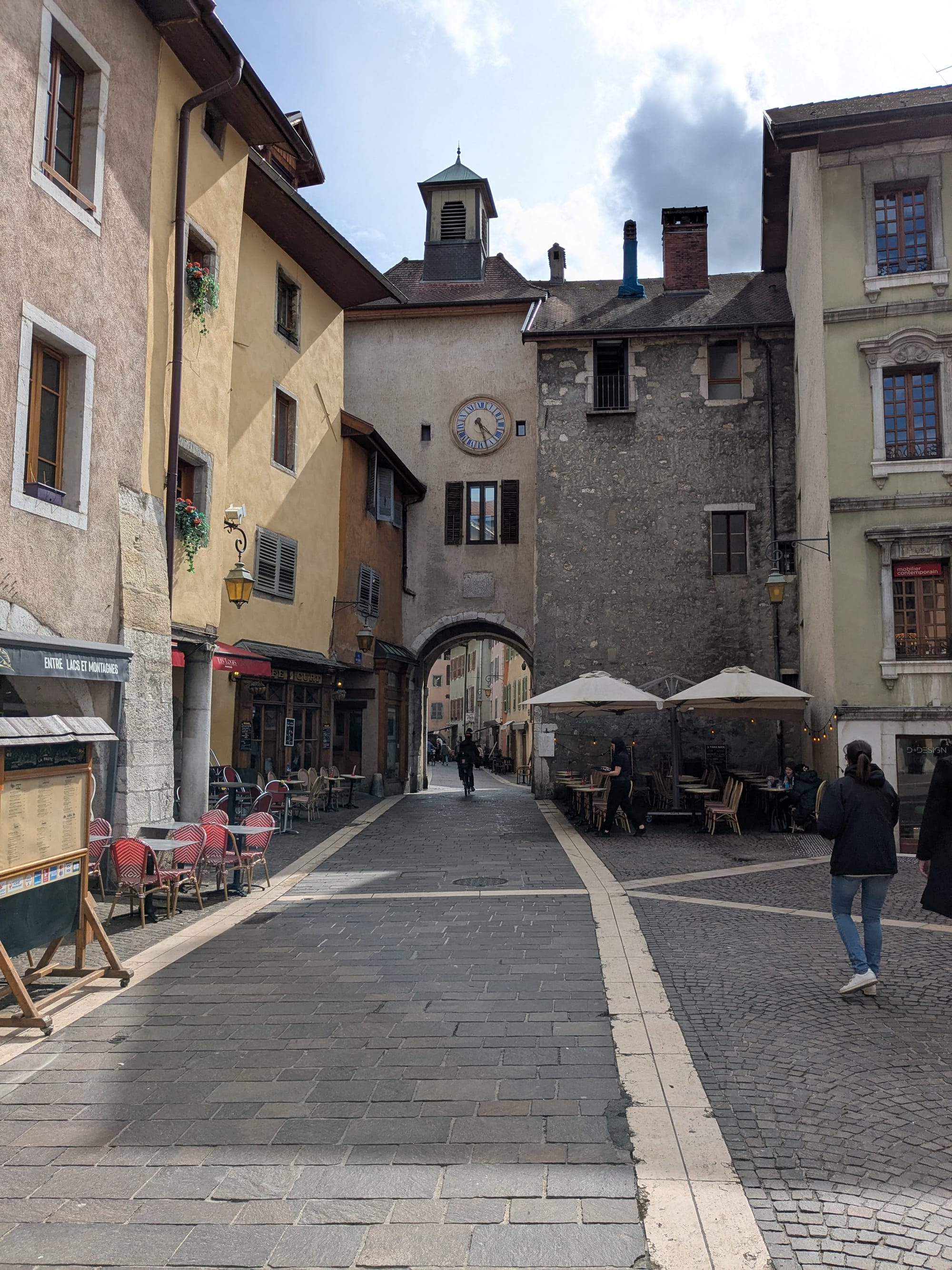
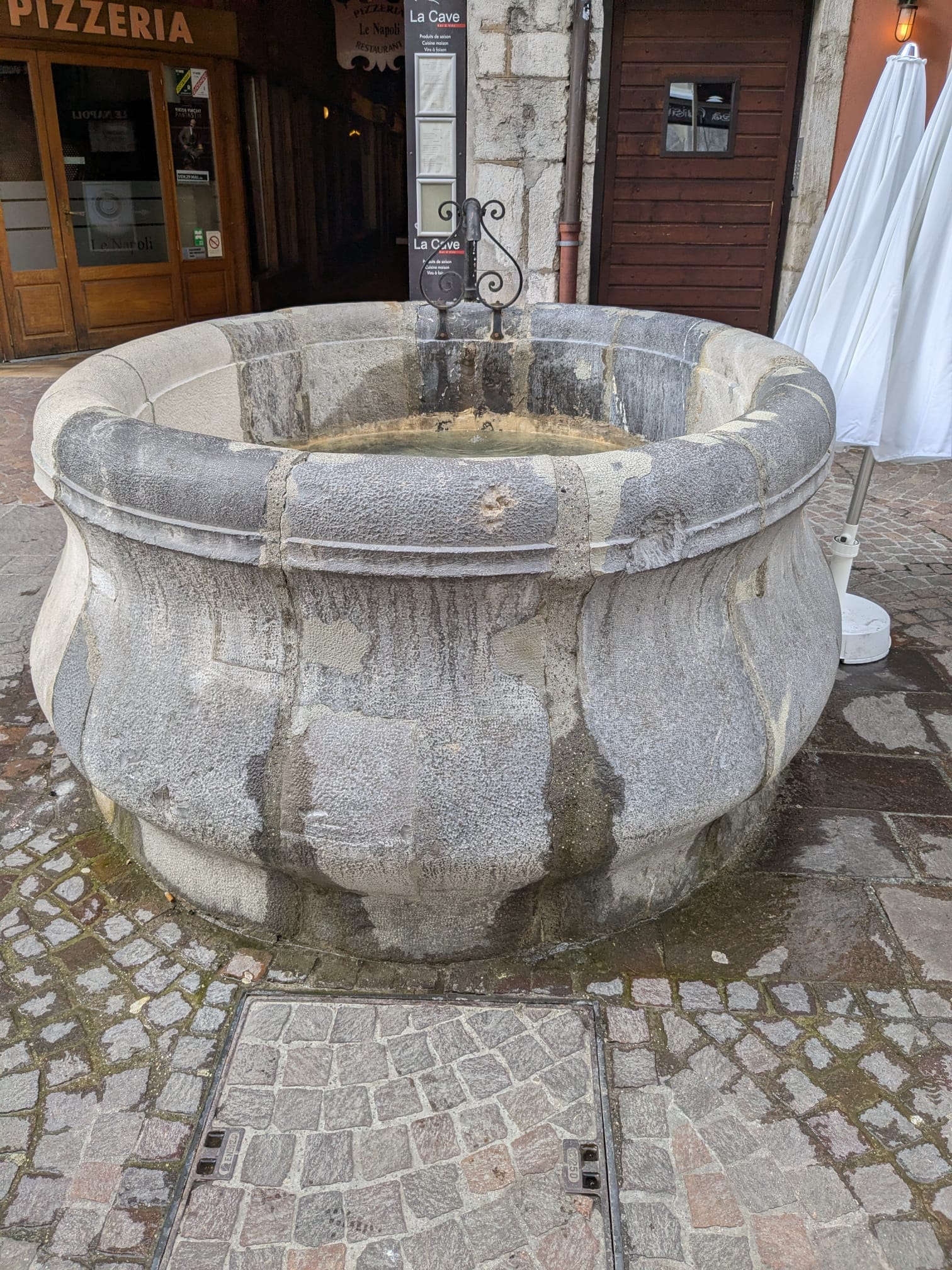
Having locked the bikes up to a l'endroit ou vouse attaches vos velos (or cycle rack as we know them as). A medieval water world of bridges, canals & “wow” moments opened up.
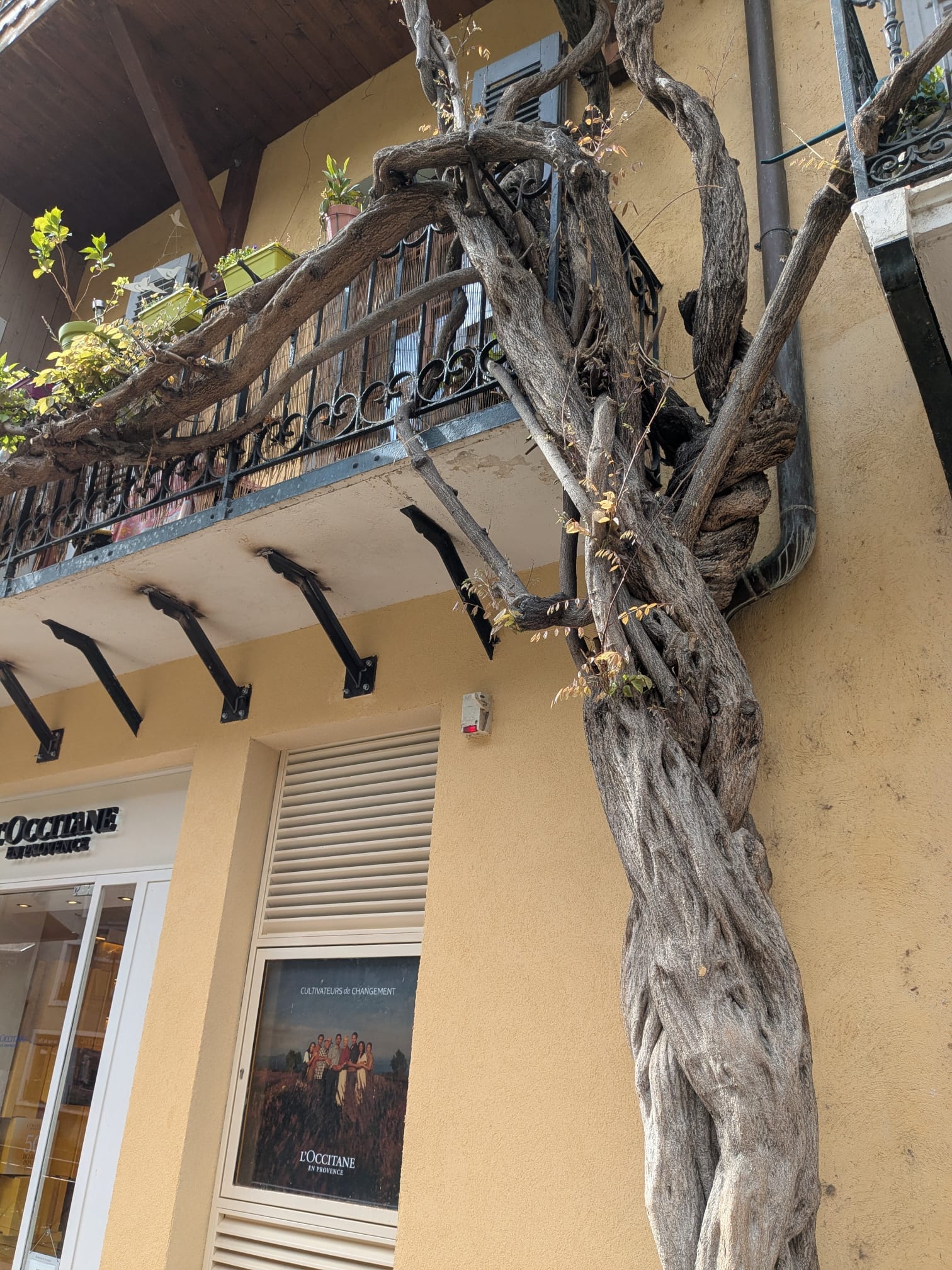
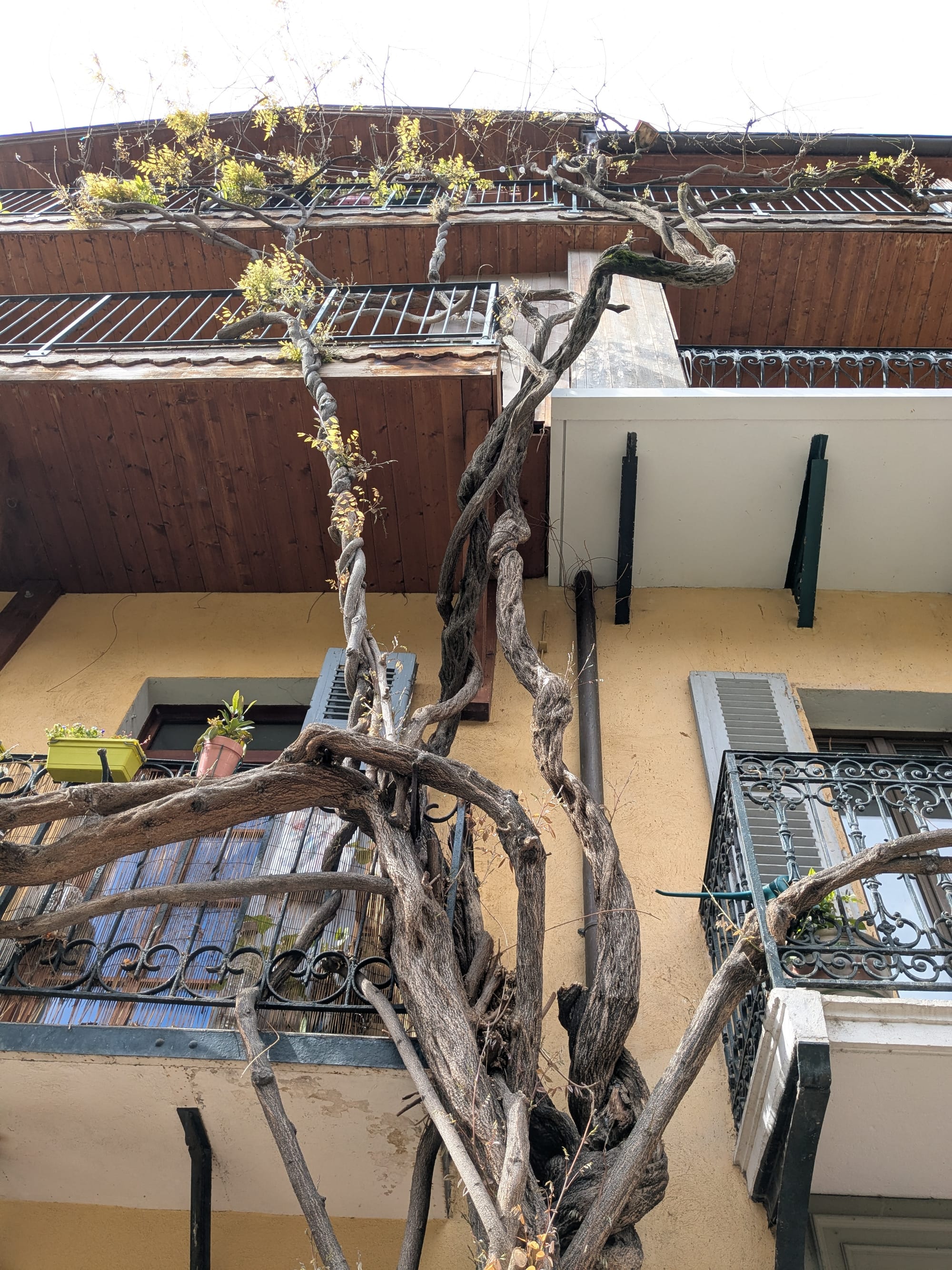
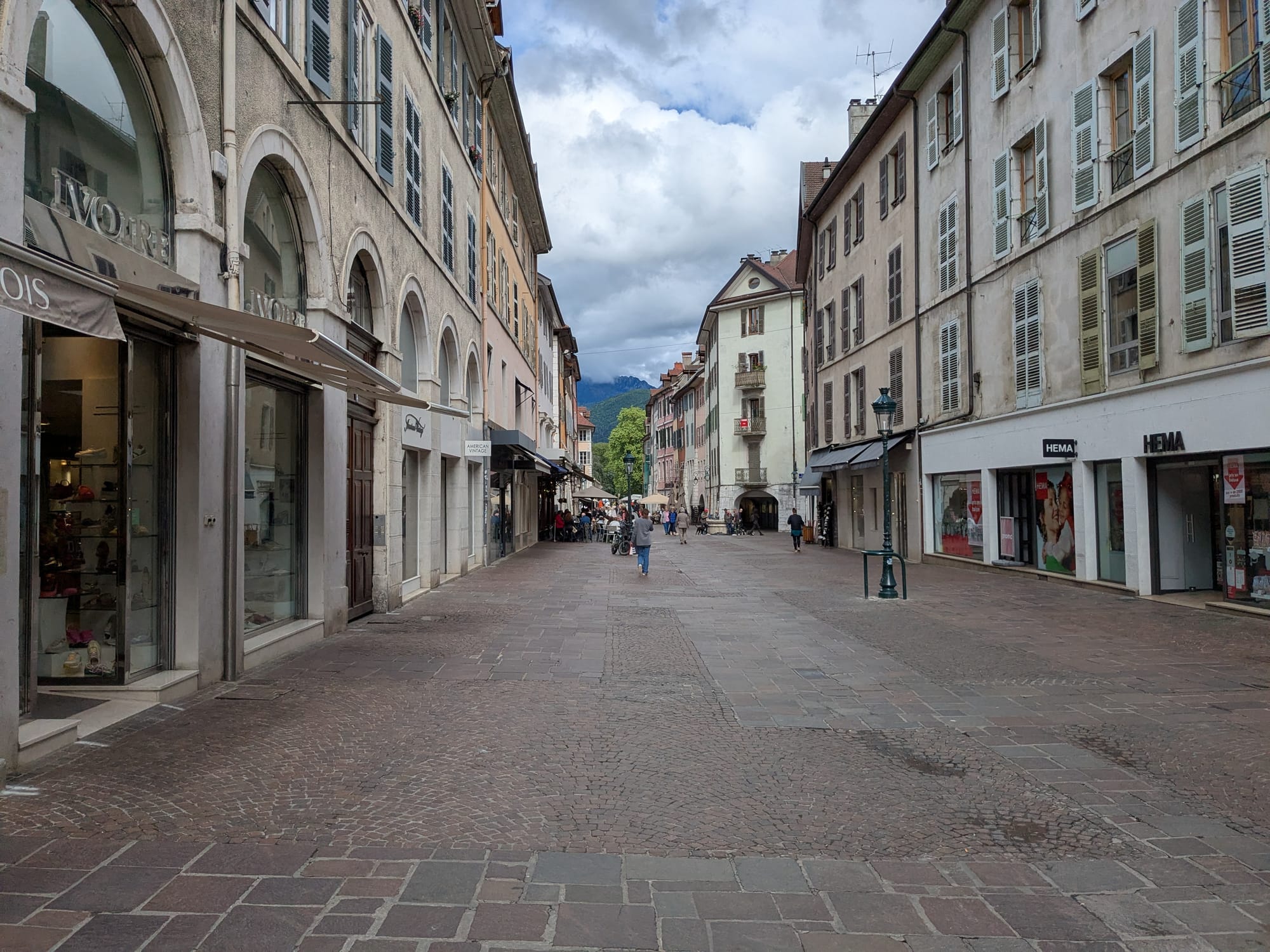
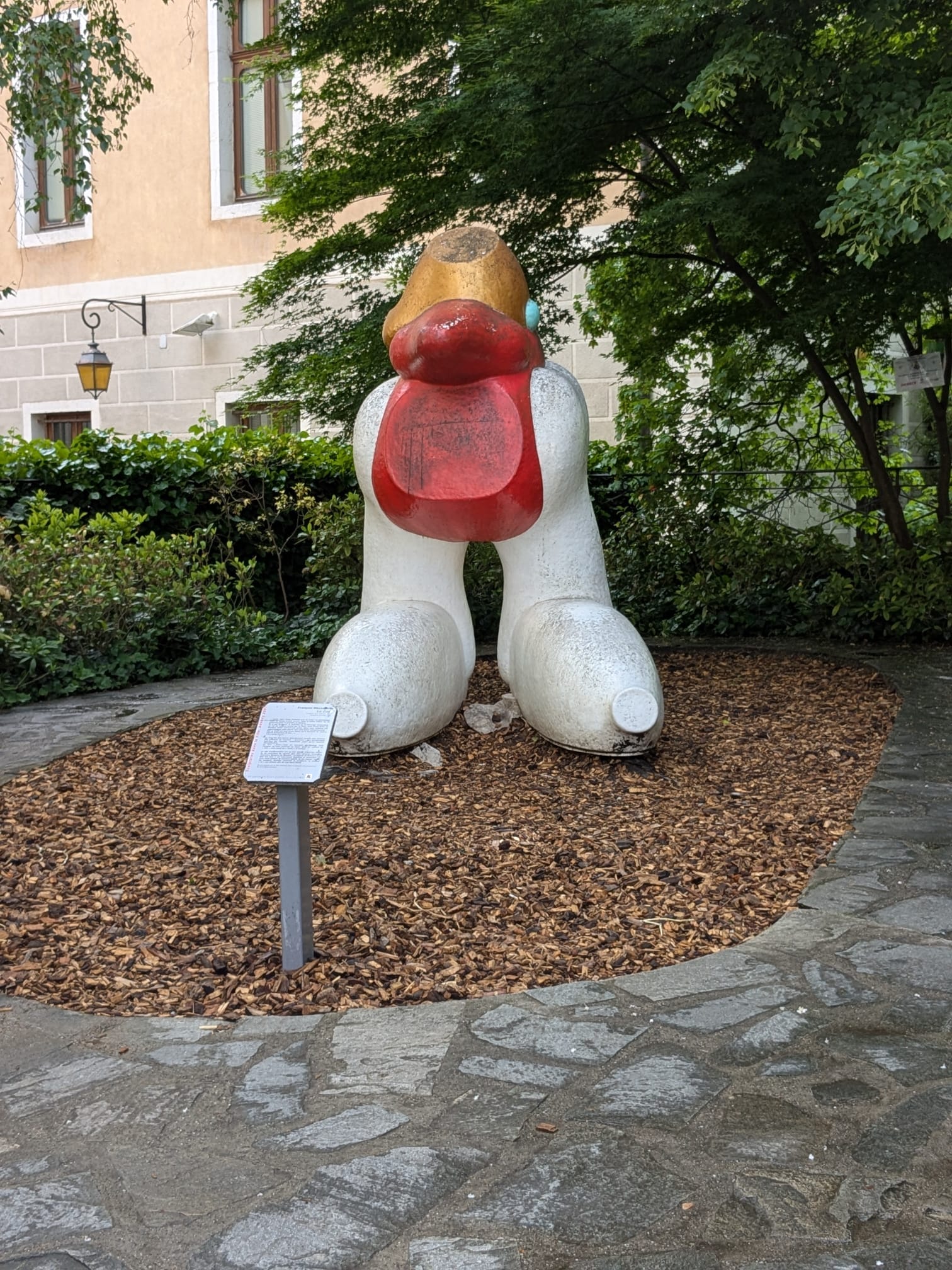
Annecy is old. The kind of old where every building looks like it has a story, and every street looks like it should be on a postcard.
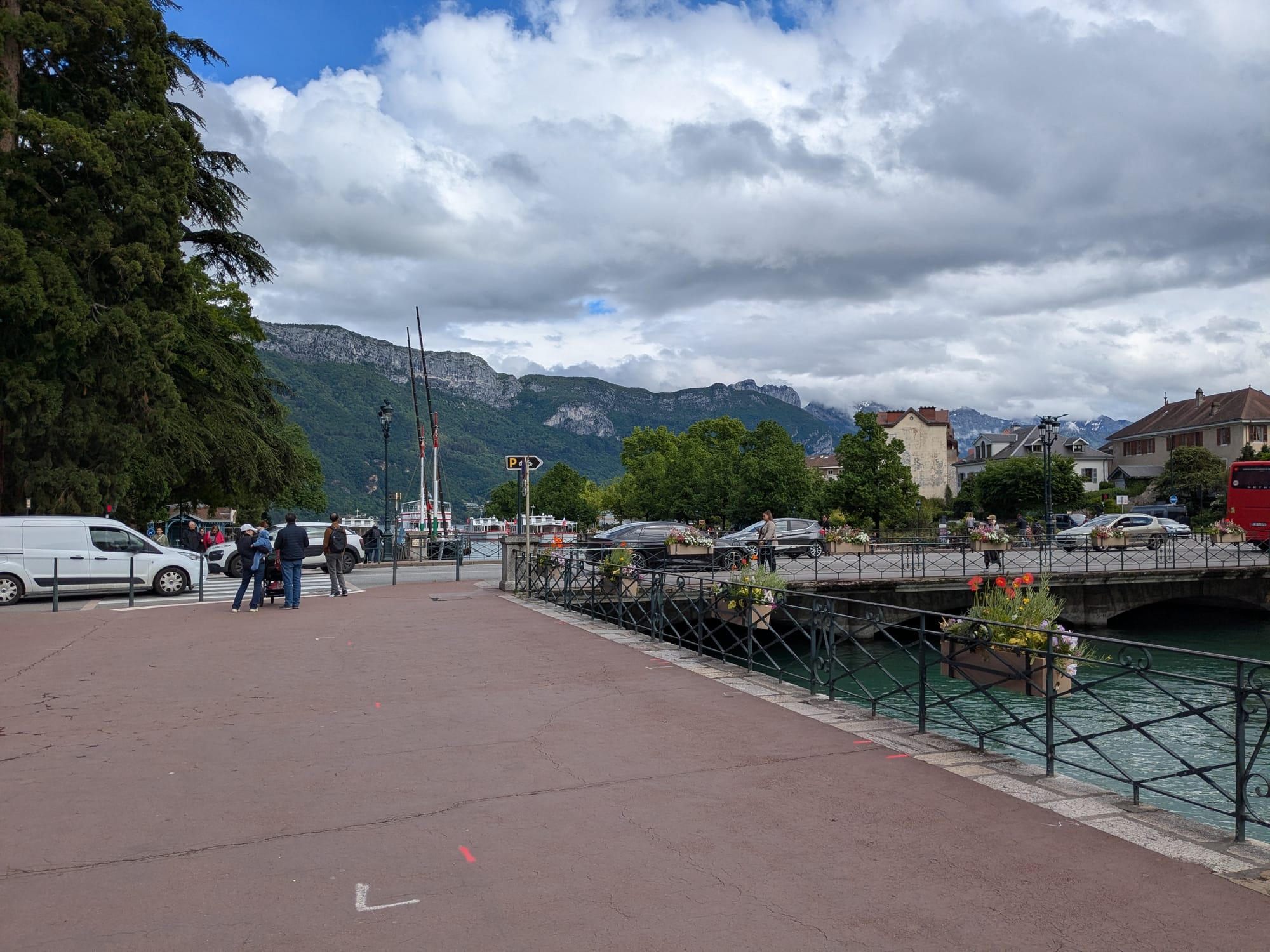
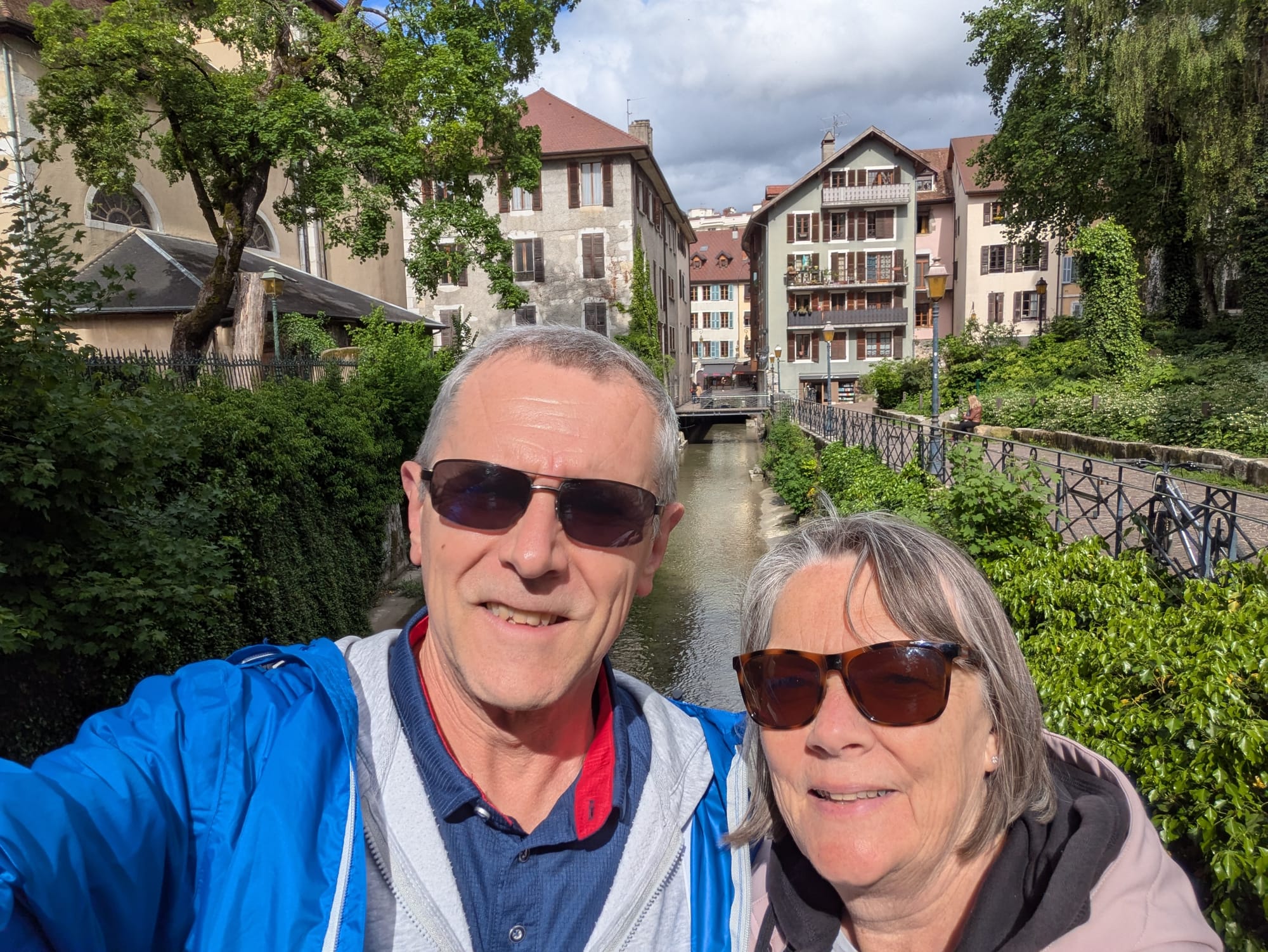
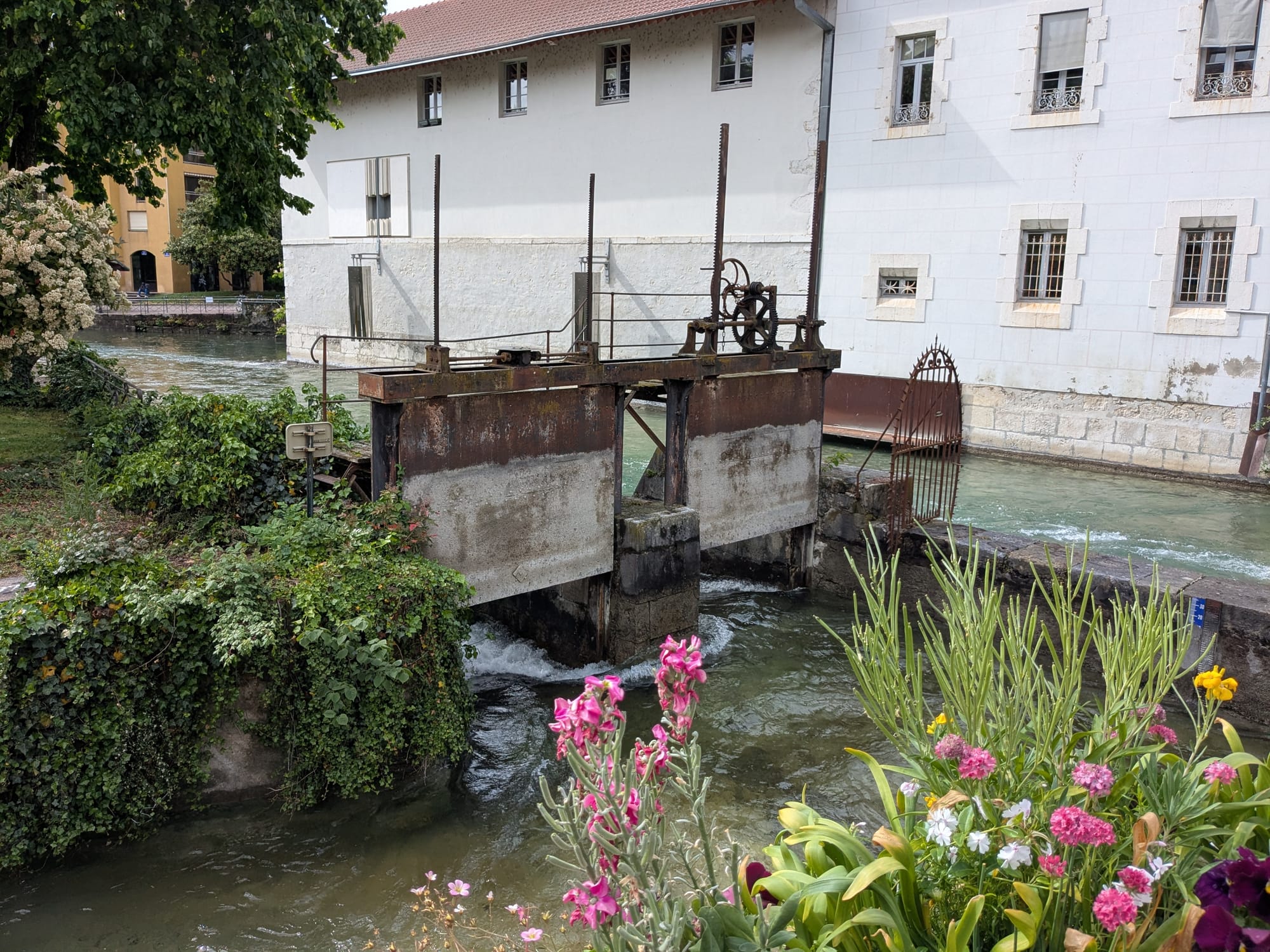
The town is built around several rivers and canals that feed into the lake, weaving through the medieval streets like a watery maze.
We wandered past:
- pastel‑coloured buildings
- flower‑draped bridges
- narrow cobbled lanes
- the Palais de l’Isle (the famous triangular island building)
- cafés that looked dangerously tempting
It’s the sort of place where you walk slowly, partly because it’s beautiful, and partly because you’re trying not to fall into a canal while taking photos.
Musée de la Cloche Paccard
Where Bells Are Born (and we learn more than expected)
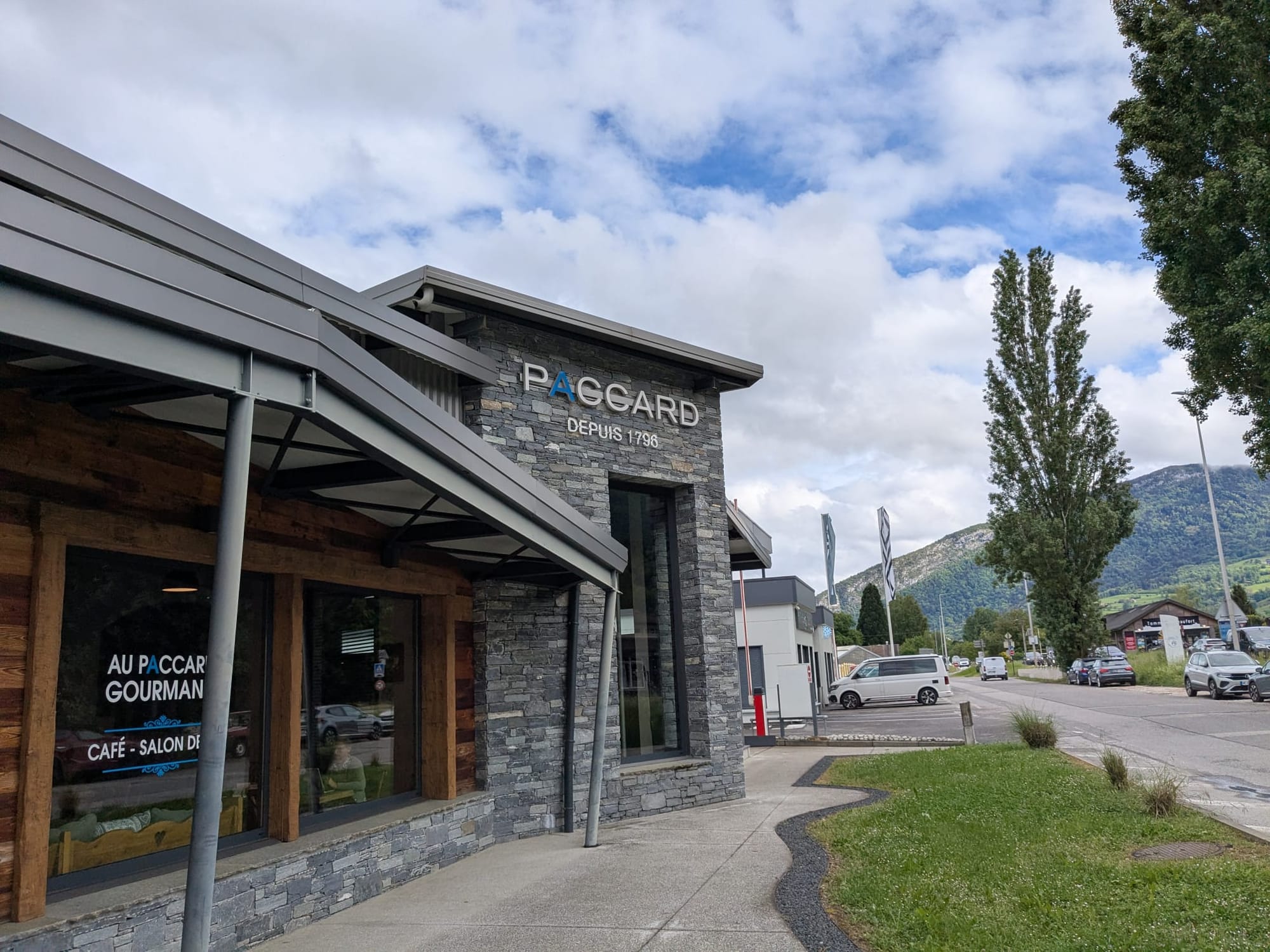
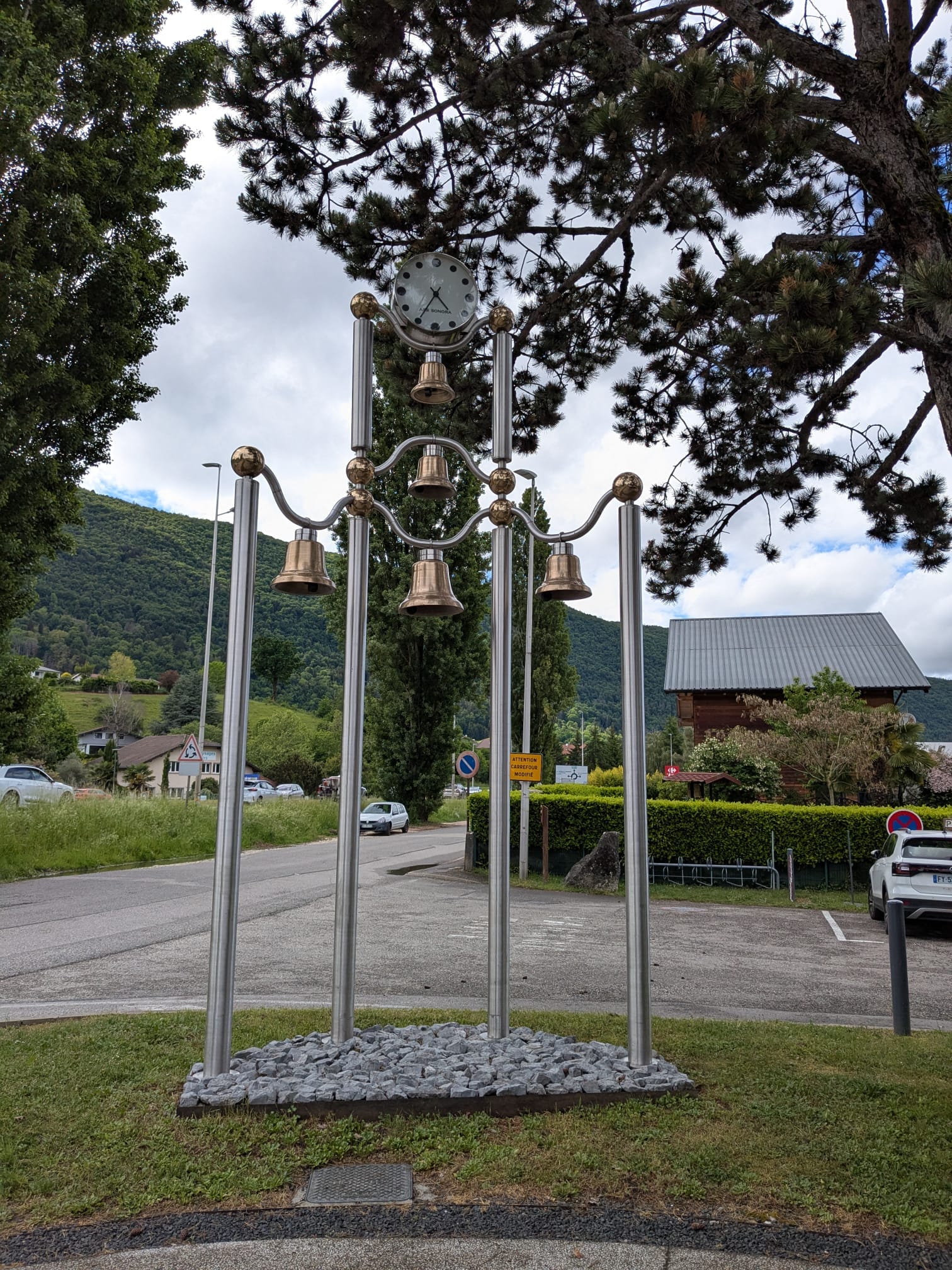
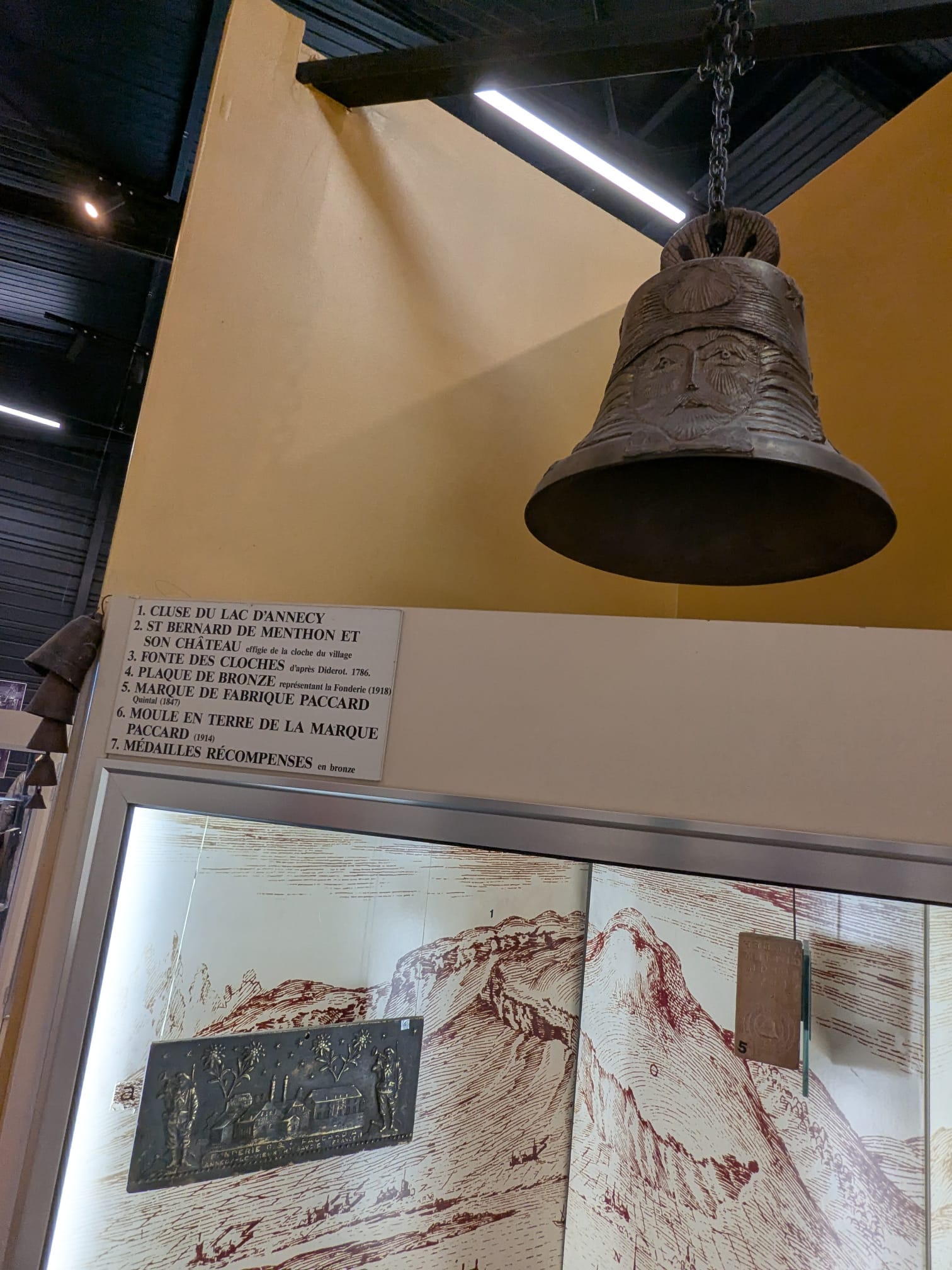
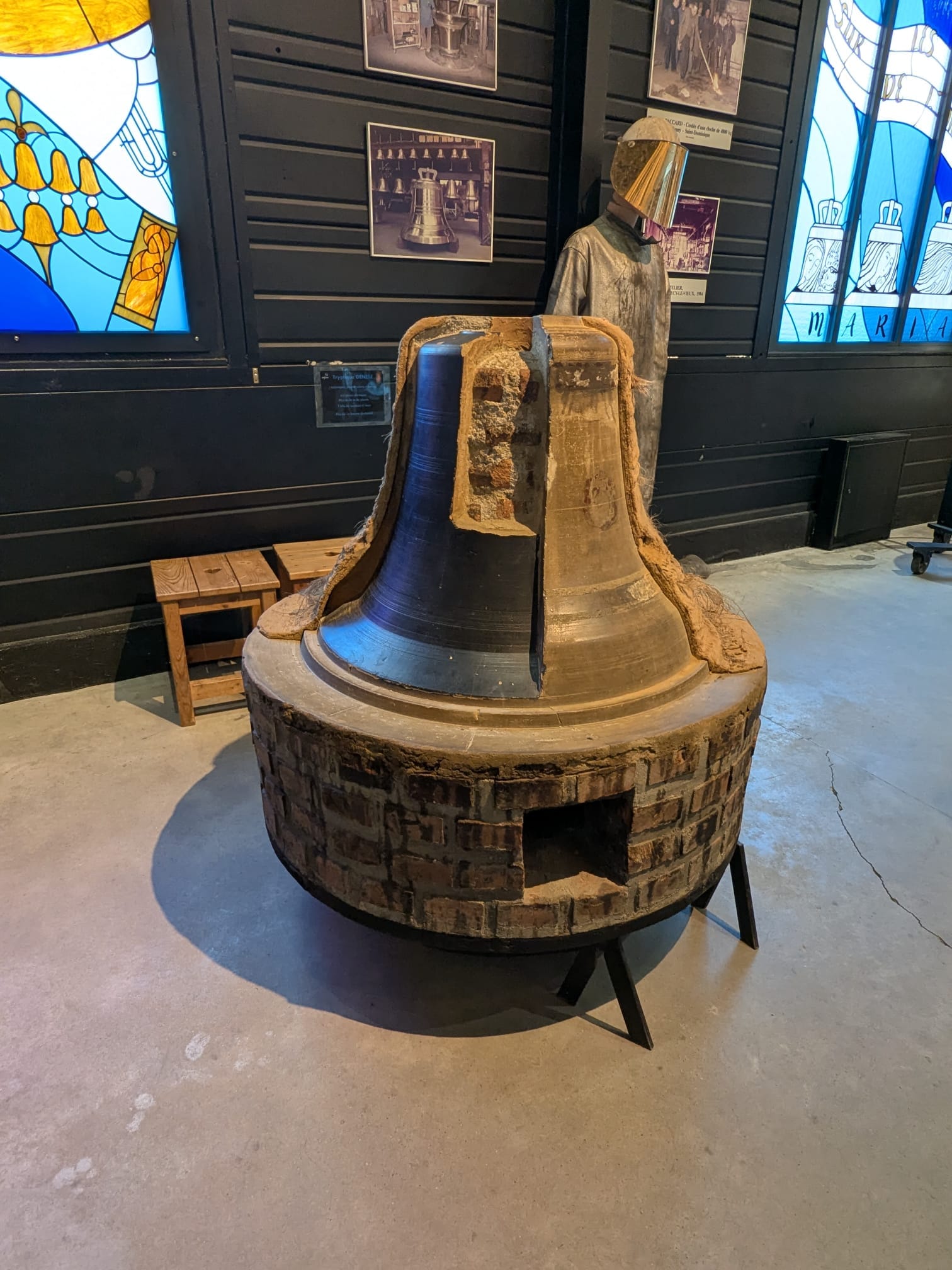
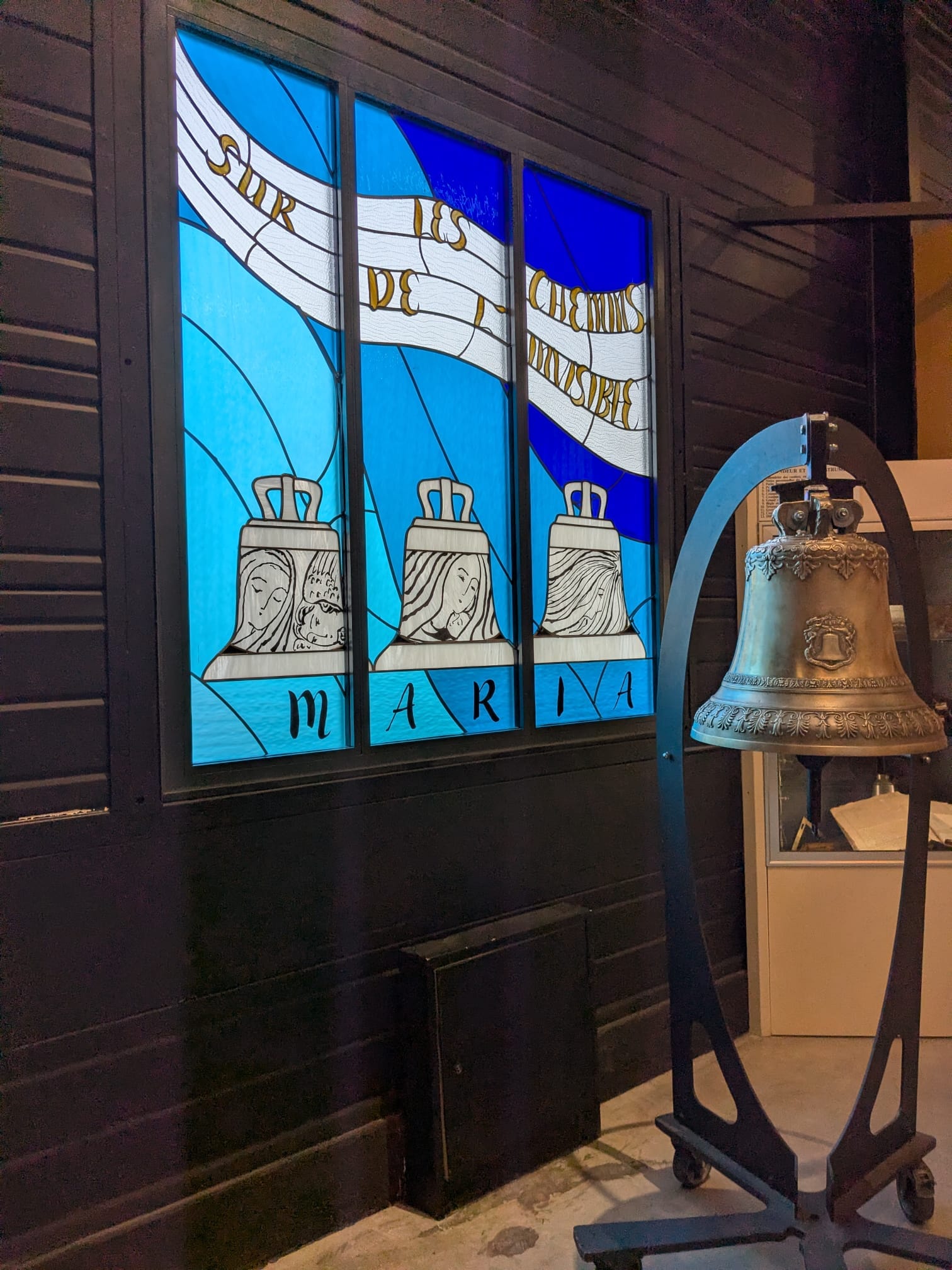
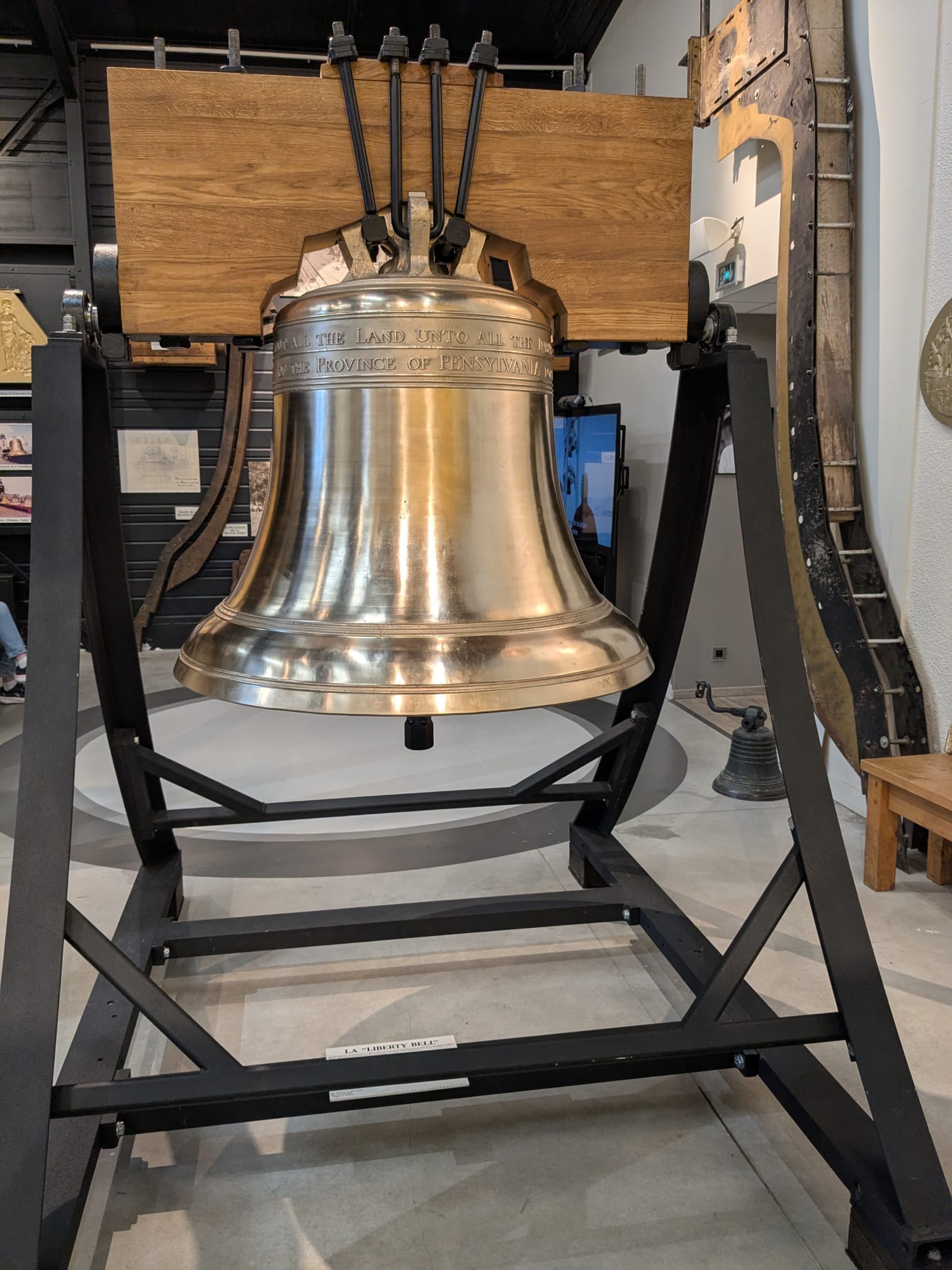
One of our cycling adventures took us to the Musée de la Cloche Paccard — the Paccard Bell Museum.
The Paccard family has been making bells since 1796, and they’ve produced more than 120,000 of them.
The Paccard Foundry in France cast the World Peace Bell, which was the largest swinging bell in the world from its completion in 1998 until 2006. The bell weighs approximately 33 tons, and can be heard 25 miles away when rang!
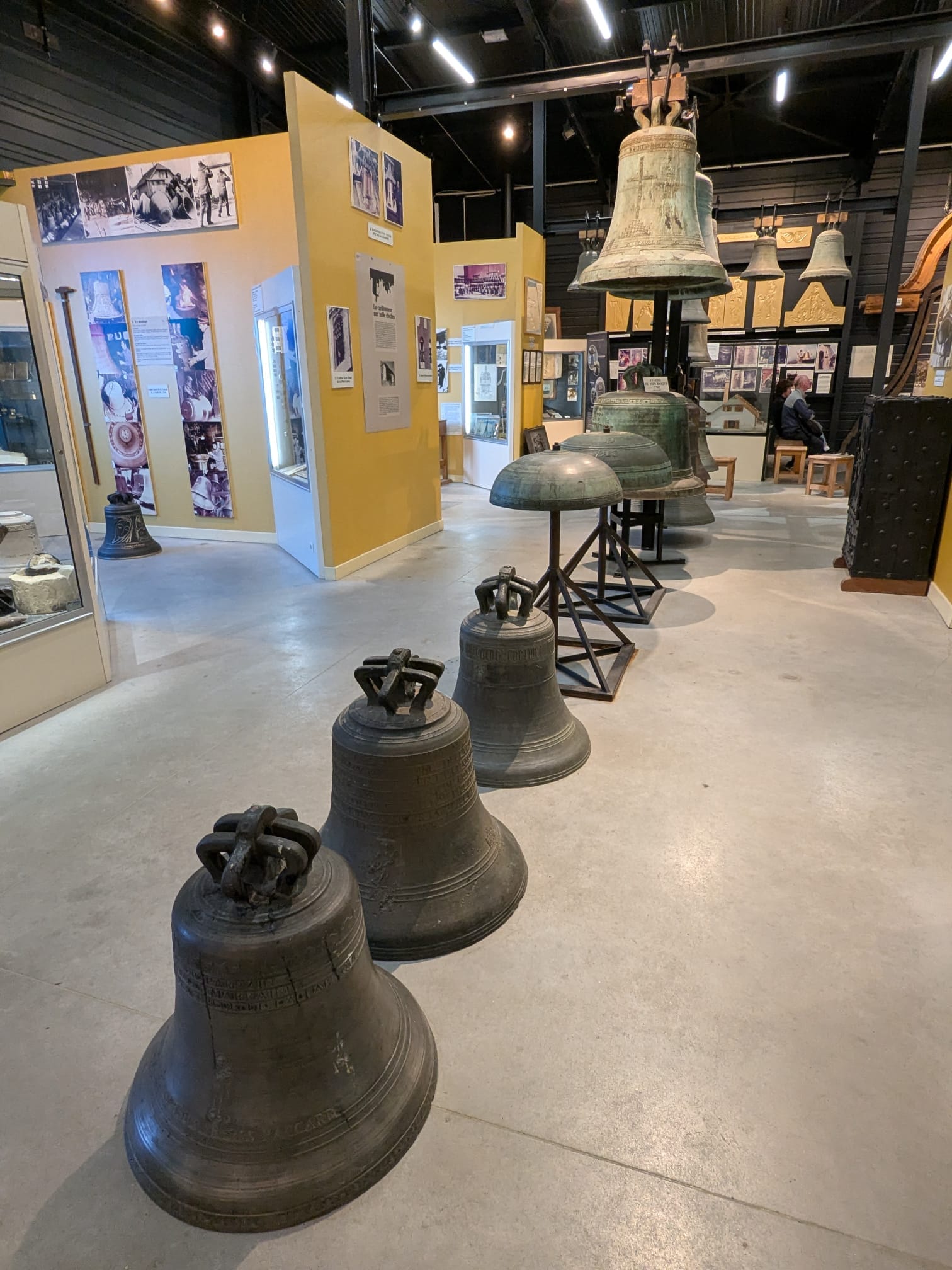
We learned how bells are cast, how they’re tuned, how they’re decorated and how much work goes into making something that goes DONG.
There were bells everywhere — hanging, stacked, displayed, and occasionally lurking in corners like they were planning something.
We left with a new appreciation for bell‑making and a mild ringing in our ears.
A Brief (But Entertaining) History of Annecy
Because This City Has Been Important for Centuries
Annecy has been around since Roman times, but it really flourished in the Middle Ages.
A few highlights:
- It was the capital of the County of Geneva before Geneva itself stole the spotlight.
- It became a major centre of the Counter‑Reformation, earning the nickname “Rome of the Alps.”
- Its canals and rivers powered mills, tanneries, and workshops long before Instagram made them fashionable.
- The old town has remained remarkably intact, which is why it feels like walking through a medieval film set.
It’s history you can see, touch, and occasionally trip over.
Back at the Van
After a day of cycling, sightseeing, bell‑listening, and sat‑nav‑induced chaos, we returned to the campsite and had a quiet evening by the lake after a couple of days of heavy rain.
The lake was calm.
The mountains glowed in the evening light.
The van was peaceful.
And the sat nav was on a time‑out.
Annecy was everything we hoped for, beautiful, lively, historic, and just chaotic enough to feel like a proper Digitlee adventure.