Angers, Where We Cycled, Gawked, and Pretended to Be Cultured
Our Angers stopover mixed a scenic cycle ride, medieval streets, cathedral exploring, fortress walls, and the surprising story of Edward III’s involvement in reshaping the city’s defences. A historic, humorous highlight of our France 2026 journey.
Angers. A name that sounds like it should belong to a moody teenager but is, in fact, one of France’s most charming historic cities. Sitting proudly on the River Maine, Angers was once the medieval powerhouse of the Plantagenet dynasty, the same lot who spent centuries arguing with England, invading England, ruling England, and generally causing administrative headaches across Europe. Today, Angers is calmer, prettier, and far more interested in serving pastries than conquering nations.
And so, naturally, we rolled up in our campervan.
The Aire, the Bikes, and the Grand Tourist Transformation
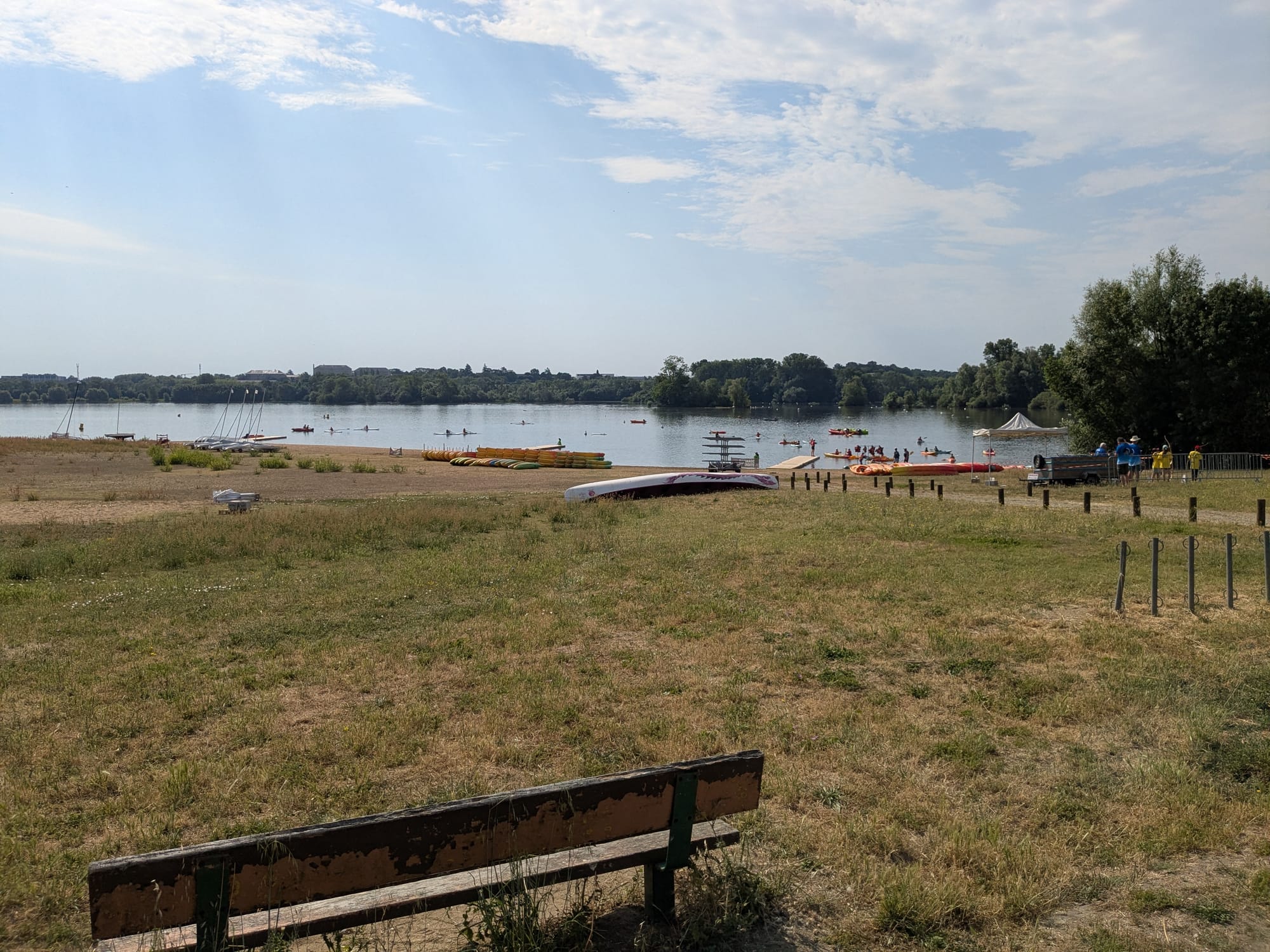
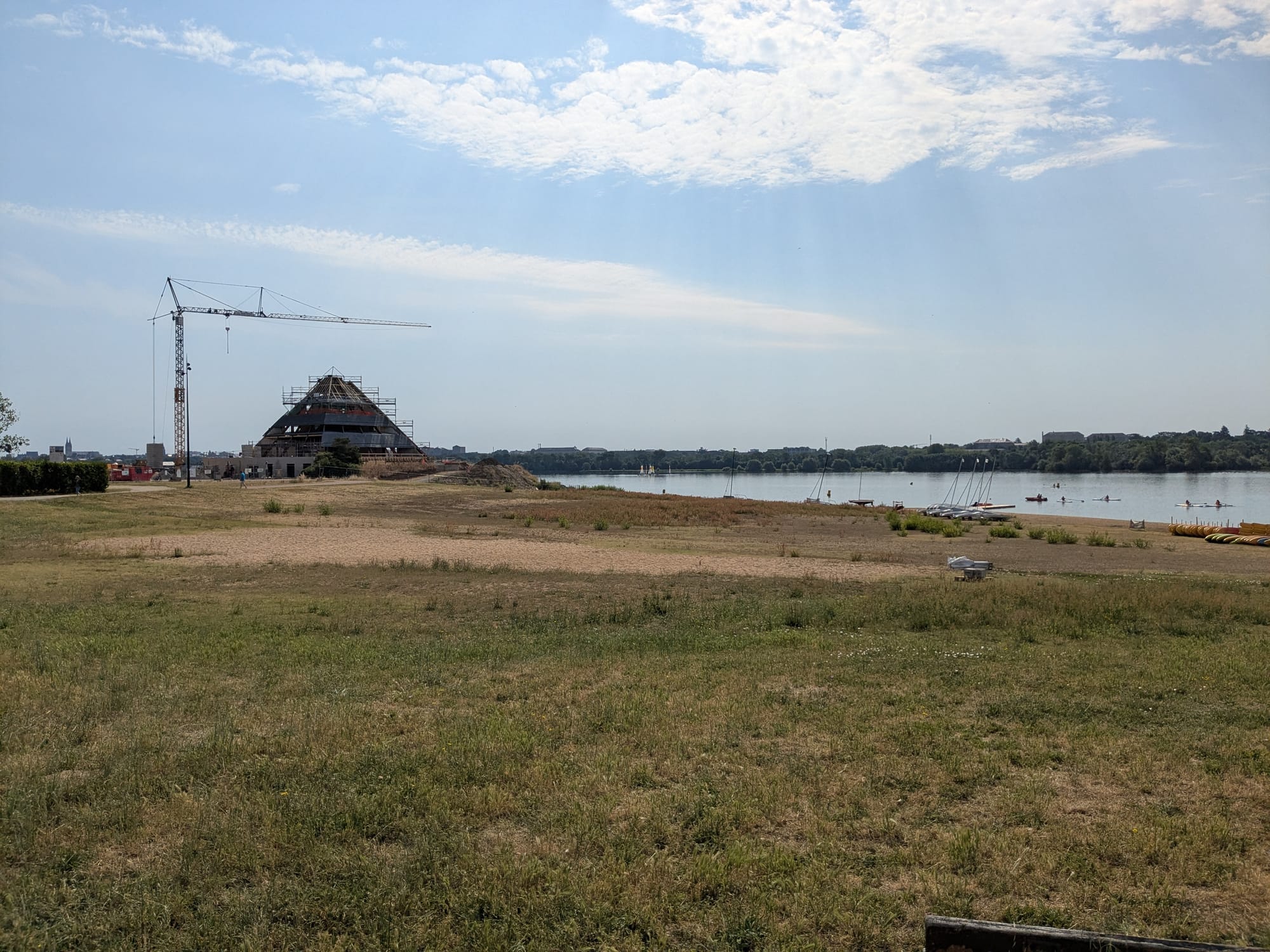
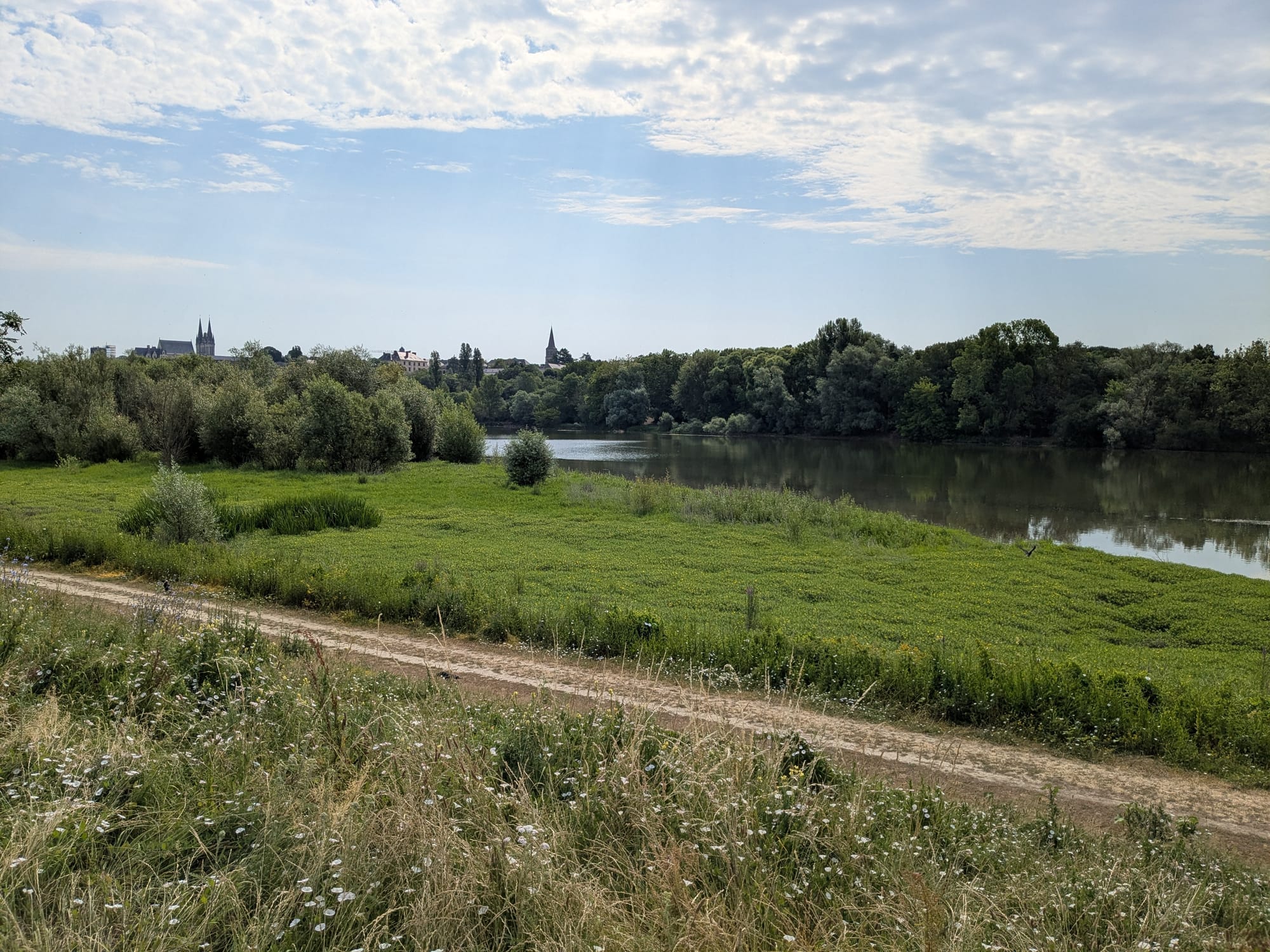
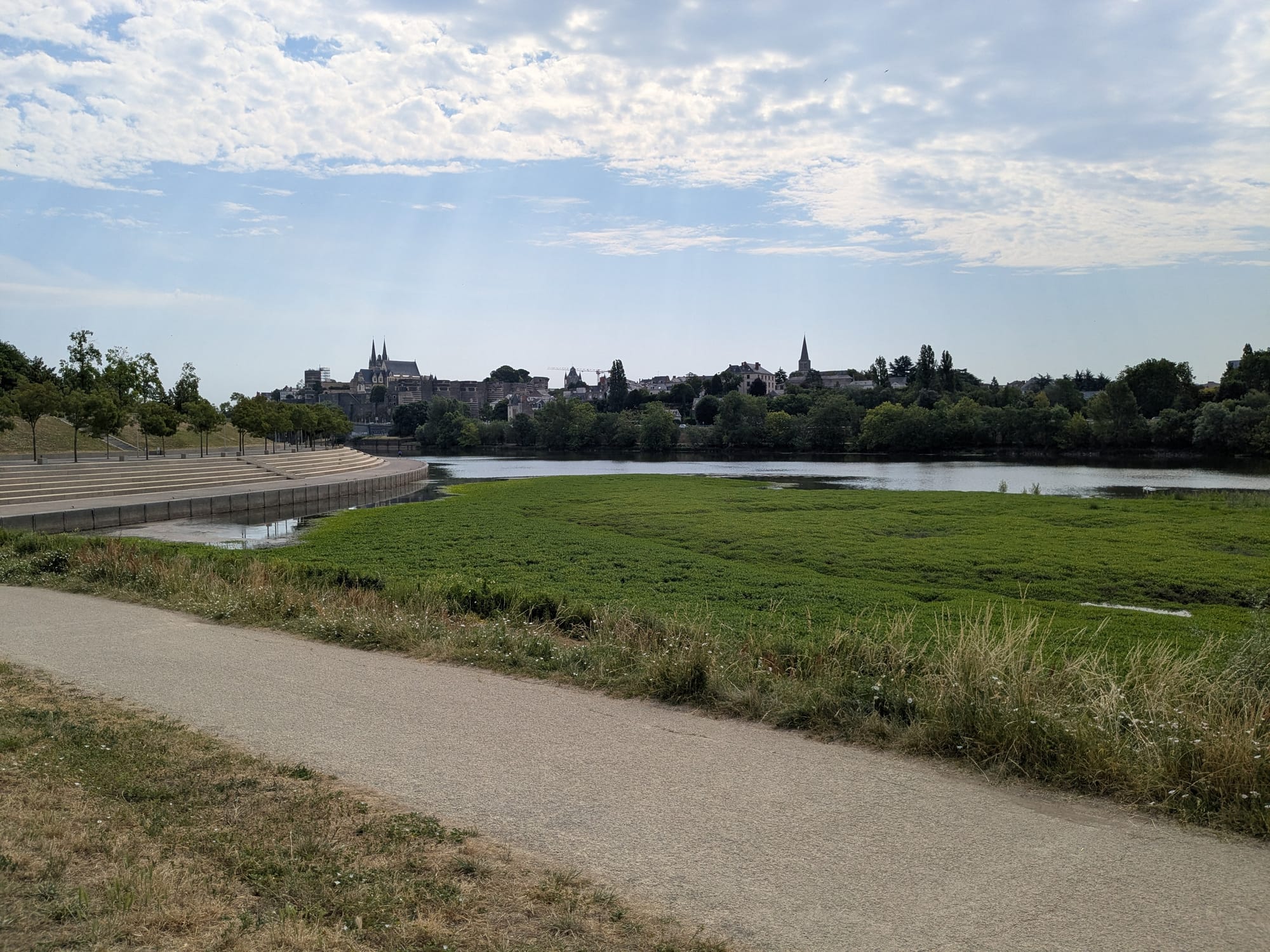
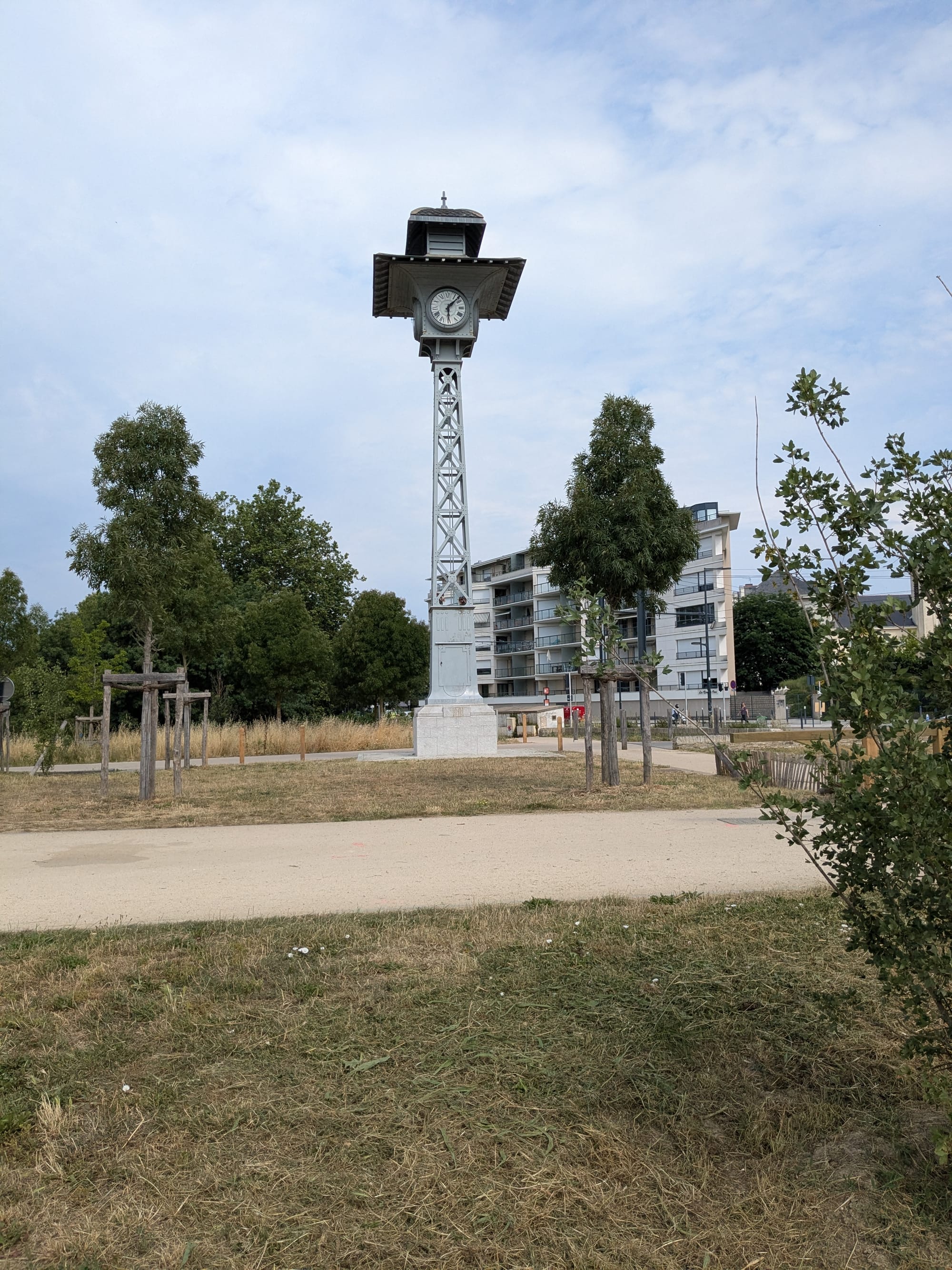
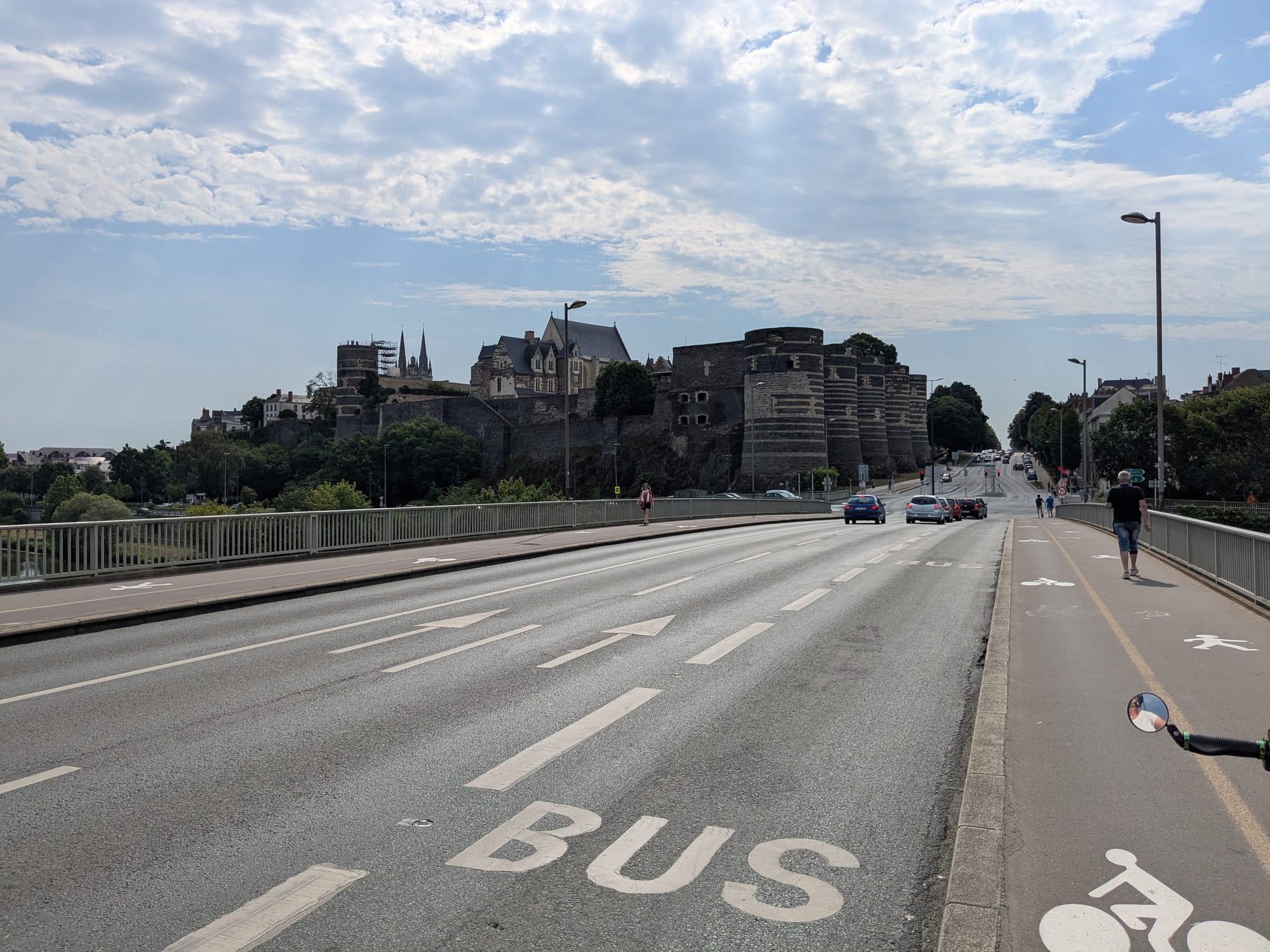
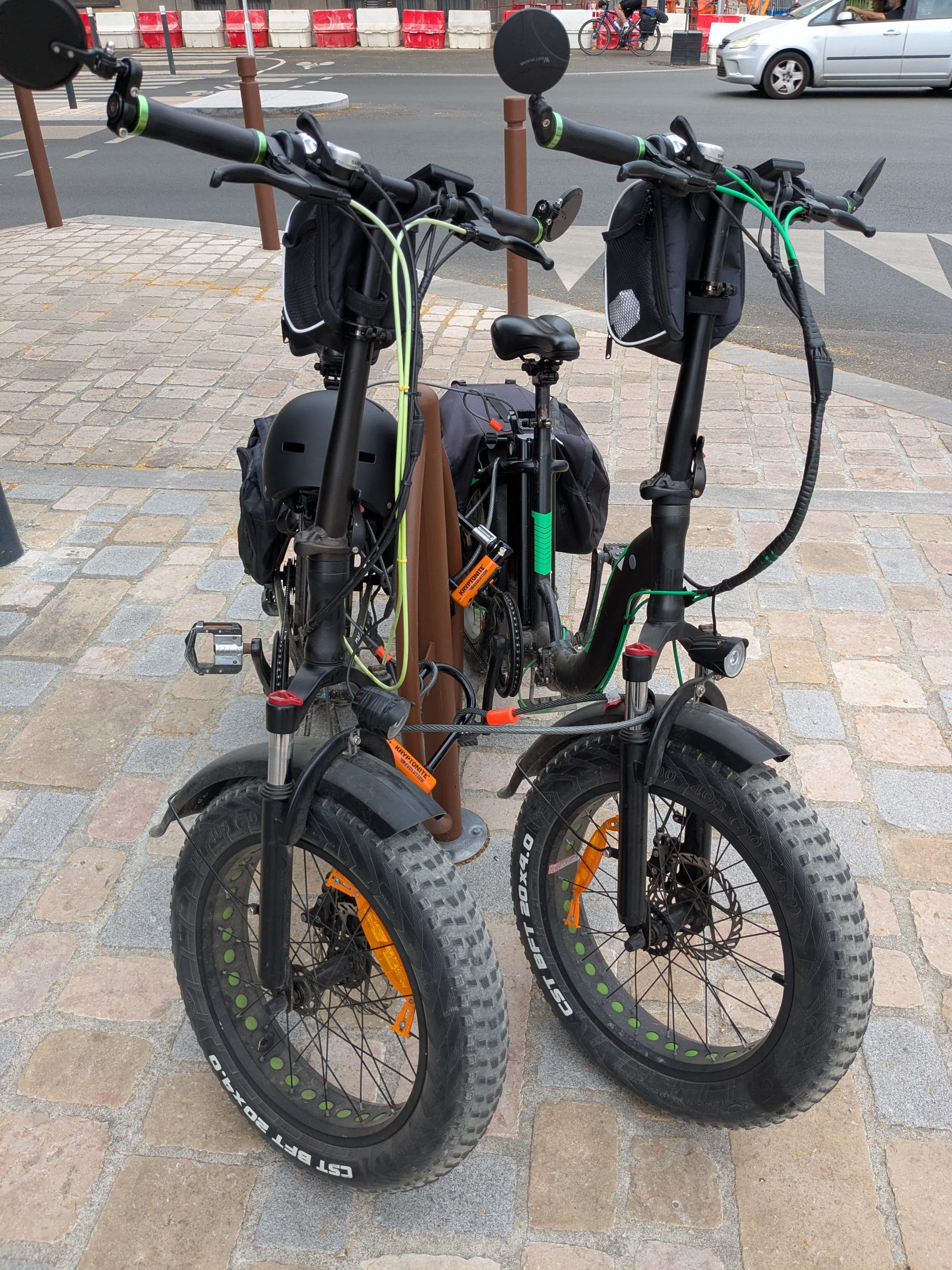
We parked up just outside Angers, at a spot perfectly positioned for a short cycle into the city. “Short cycle” in France usually means “pleasant, scenic, and flat”. This one delivered — a gentle ride that lulled us into a false sense of athletic competence.
We locked up the bikes, dusted ourselves off, and immediately switched into full tourist mode. You know the one: camera out, backpacks on, walking pace set to “aimless wandering”, and the sudden urge to read every plaque as if we were preparing for a history exam.
When Edward III Came Knocking And the Walls Came Down
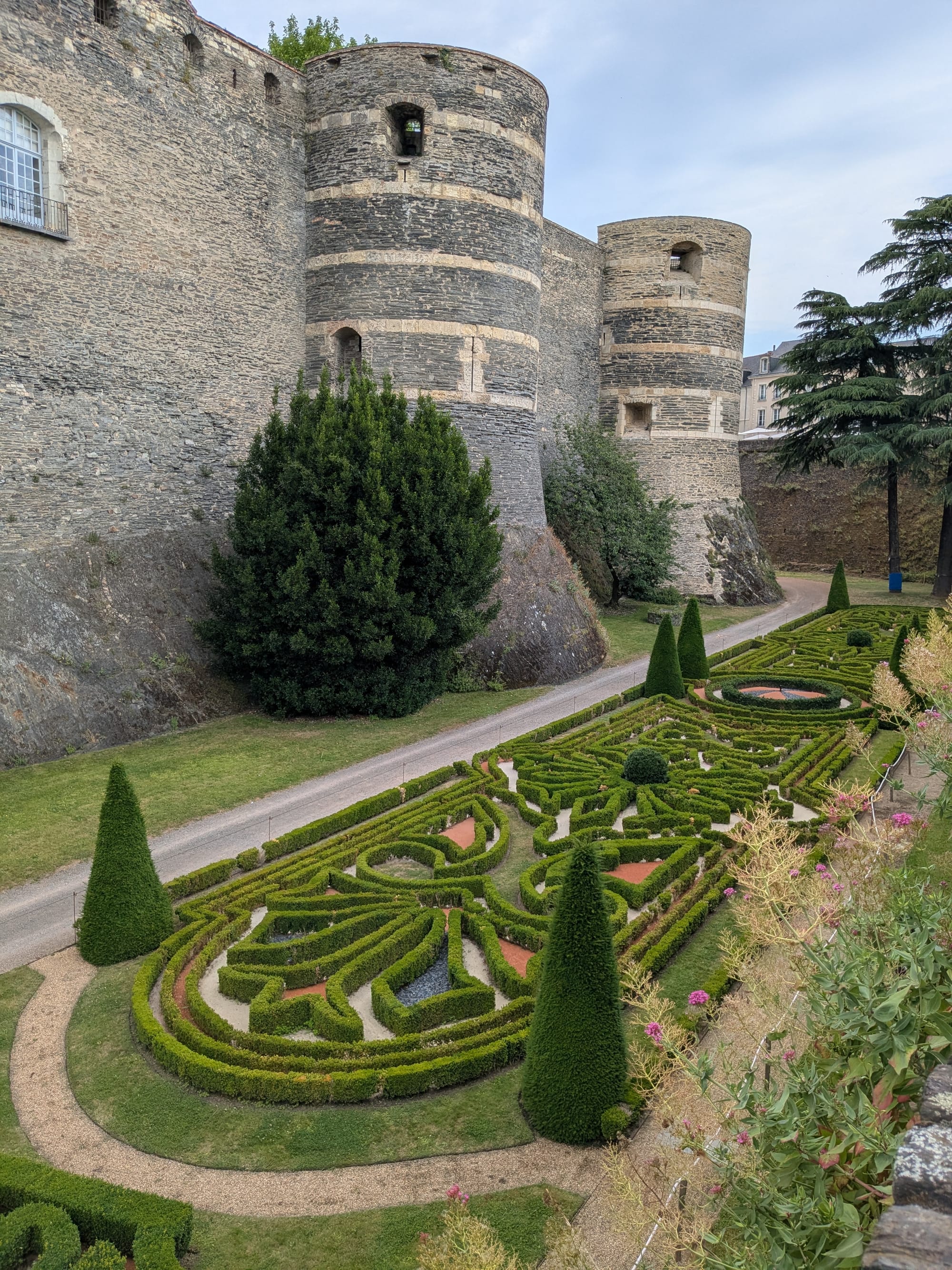
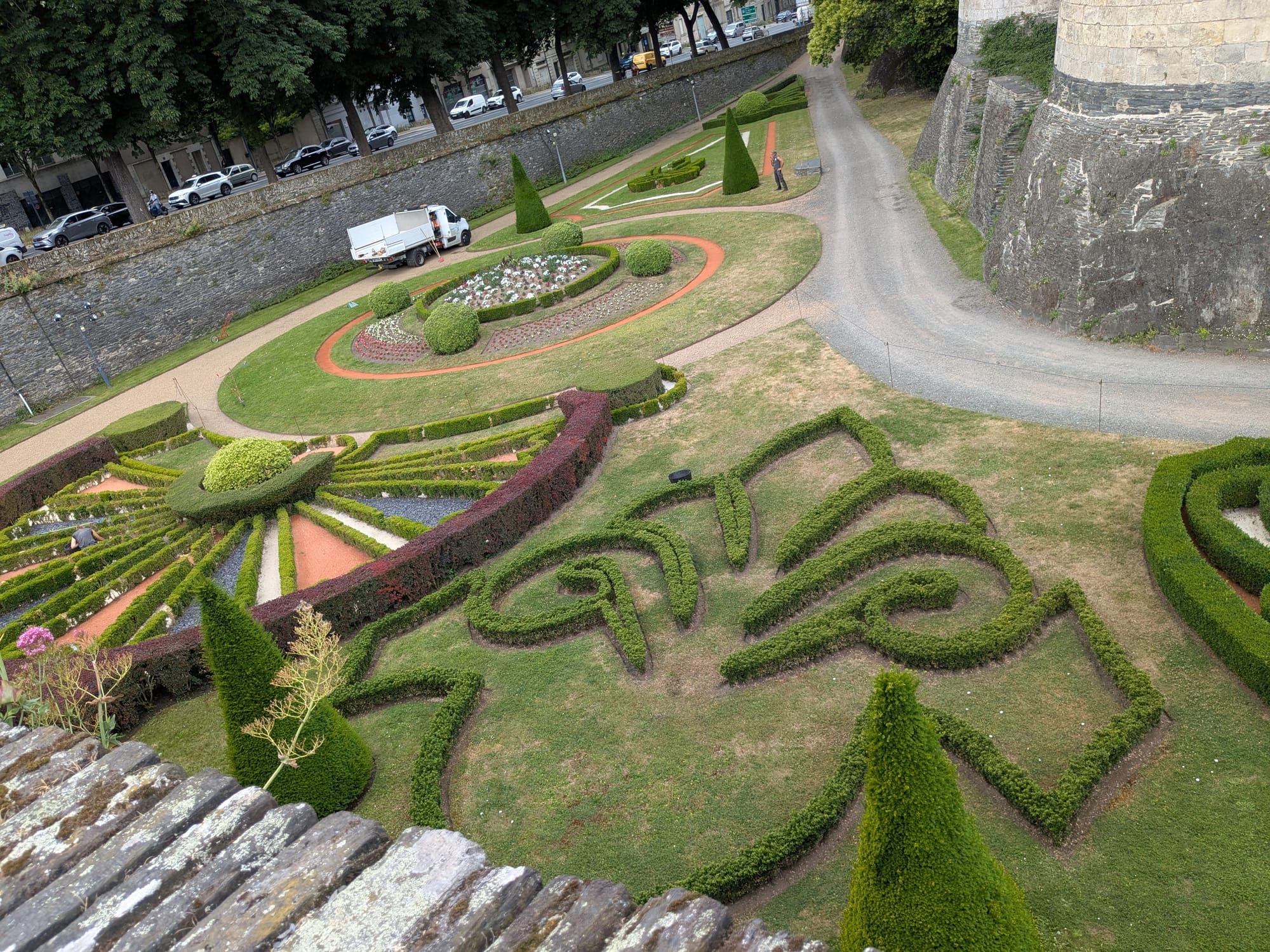
The walls of Angers weren’t just lowered because cannons made tall medieval fortifications about as useful as a chocolate teapot, an English king helped kick‑start the whole process.
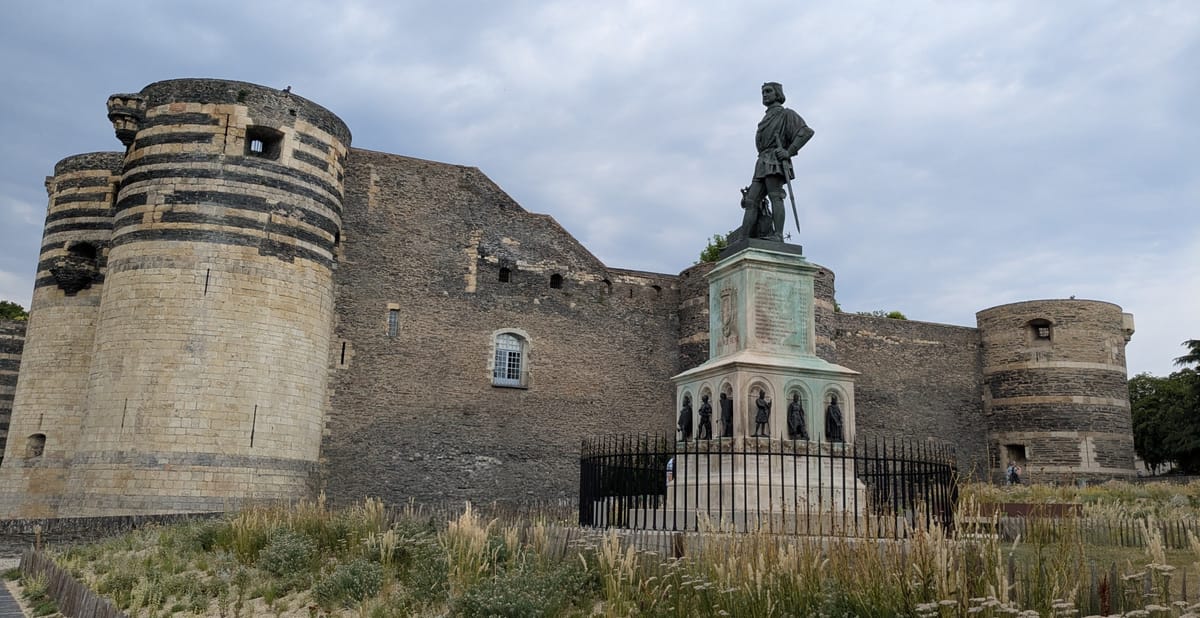
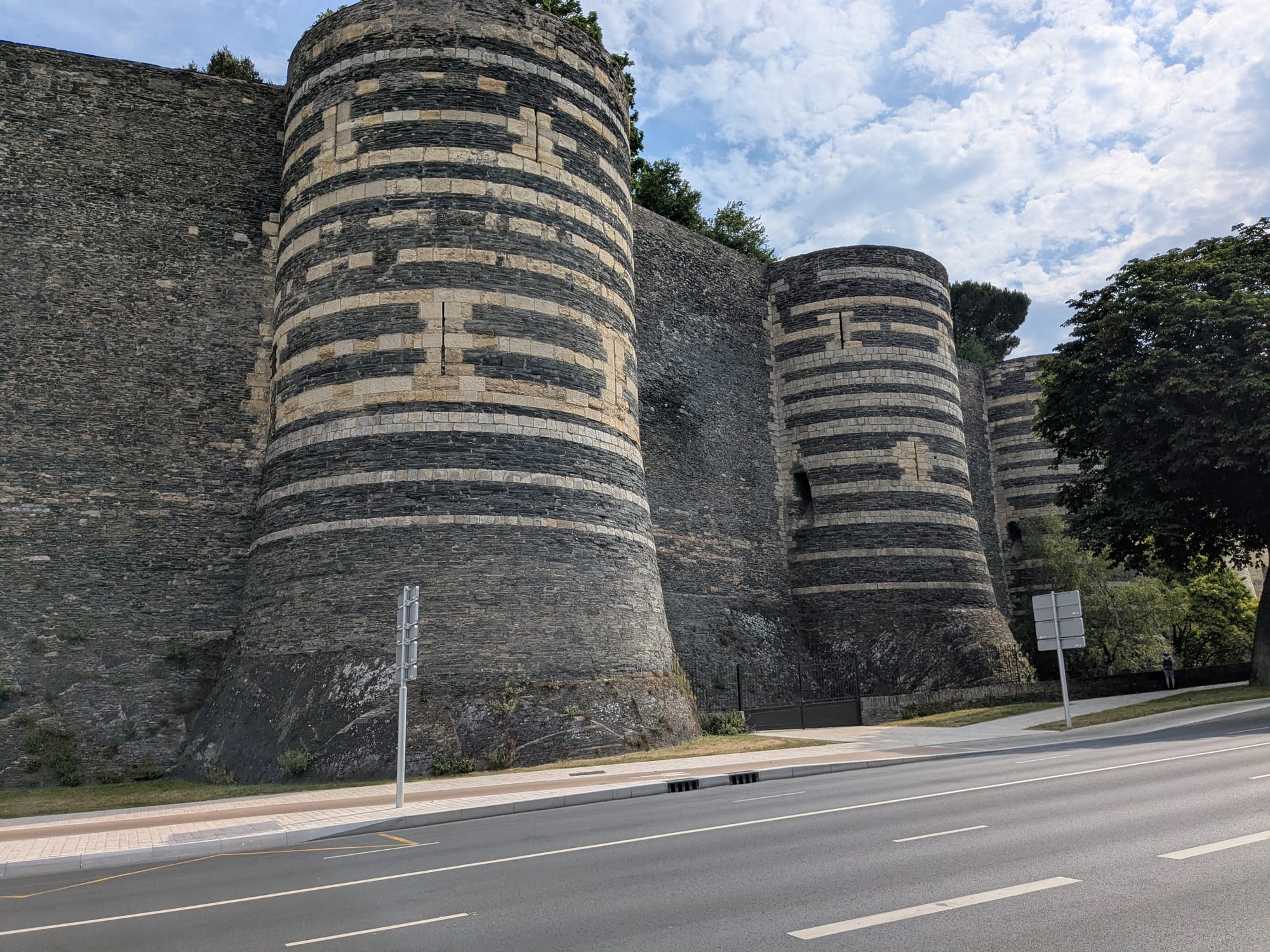
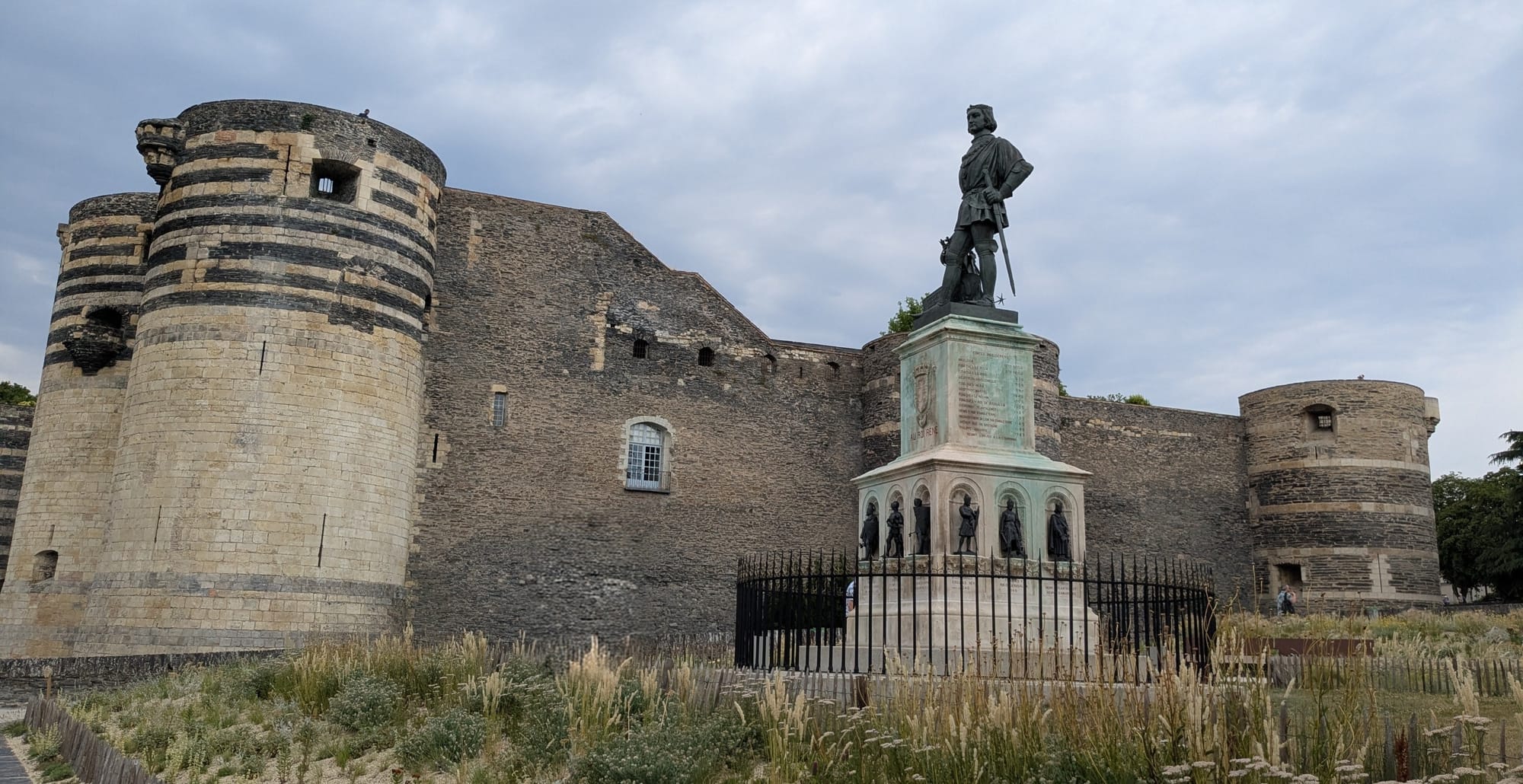
During the Hundred Years’ War, Edward III attacked Angers, and parts of the city’s defences were damaged or destroyed. Later, as warfare evolved and maintaining towering ramparts became more trouble than it was worth, the city reshaped and reduced the height of its walls, leaving behind the broad, striped fortifications we stroll along today.
Wandering the Streets Like We Owned the Place
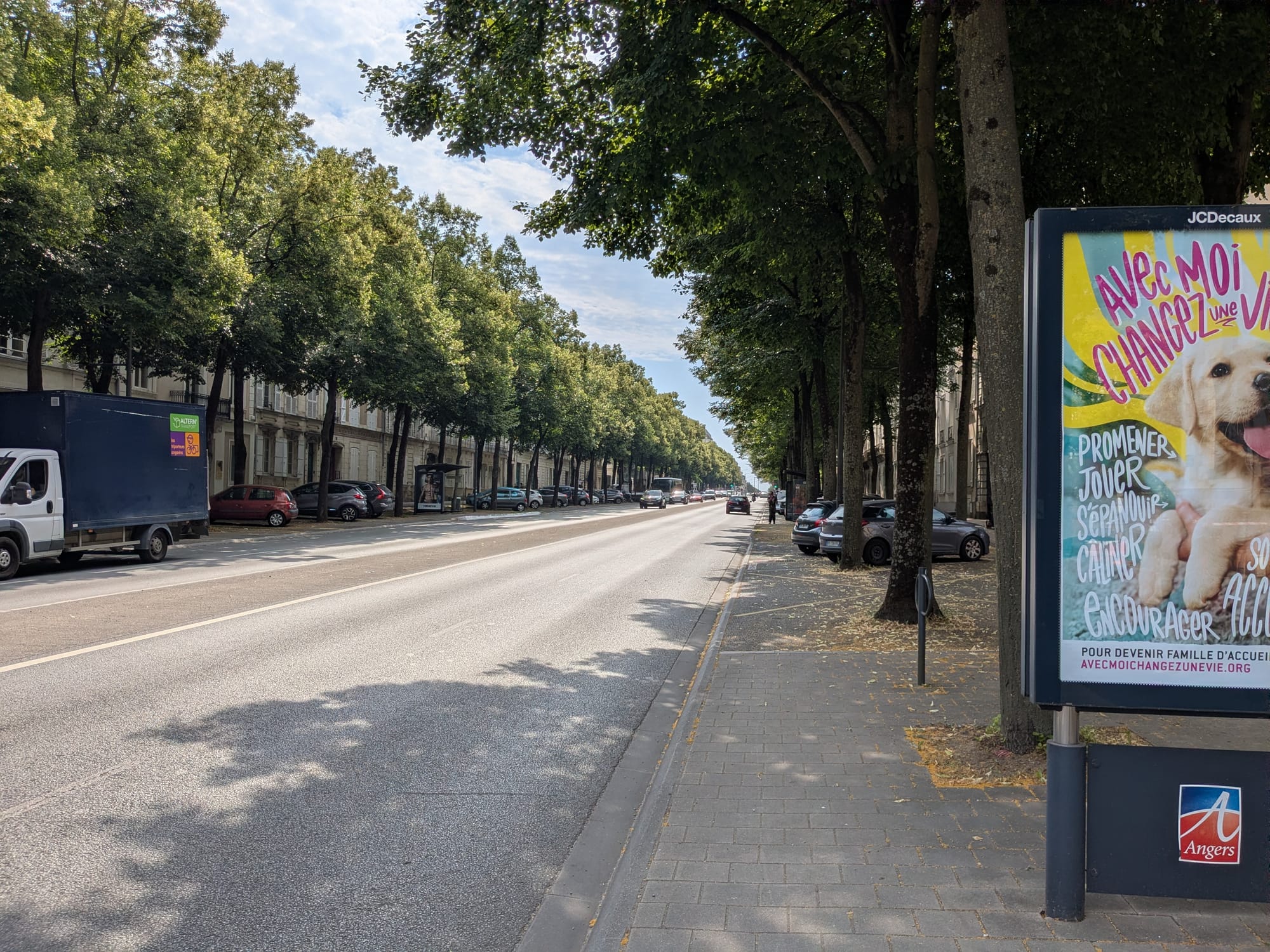
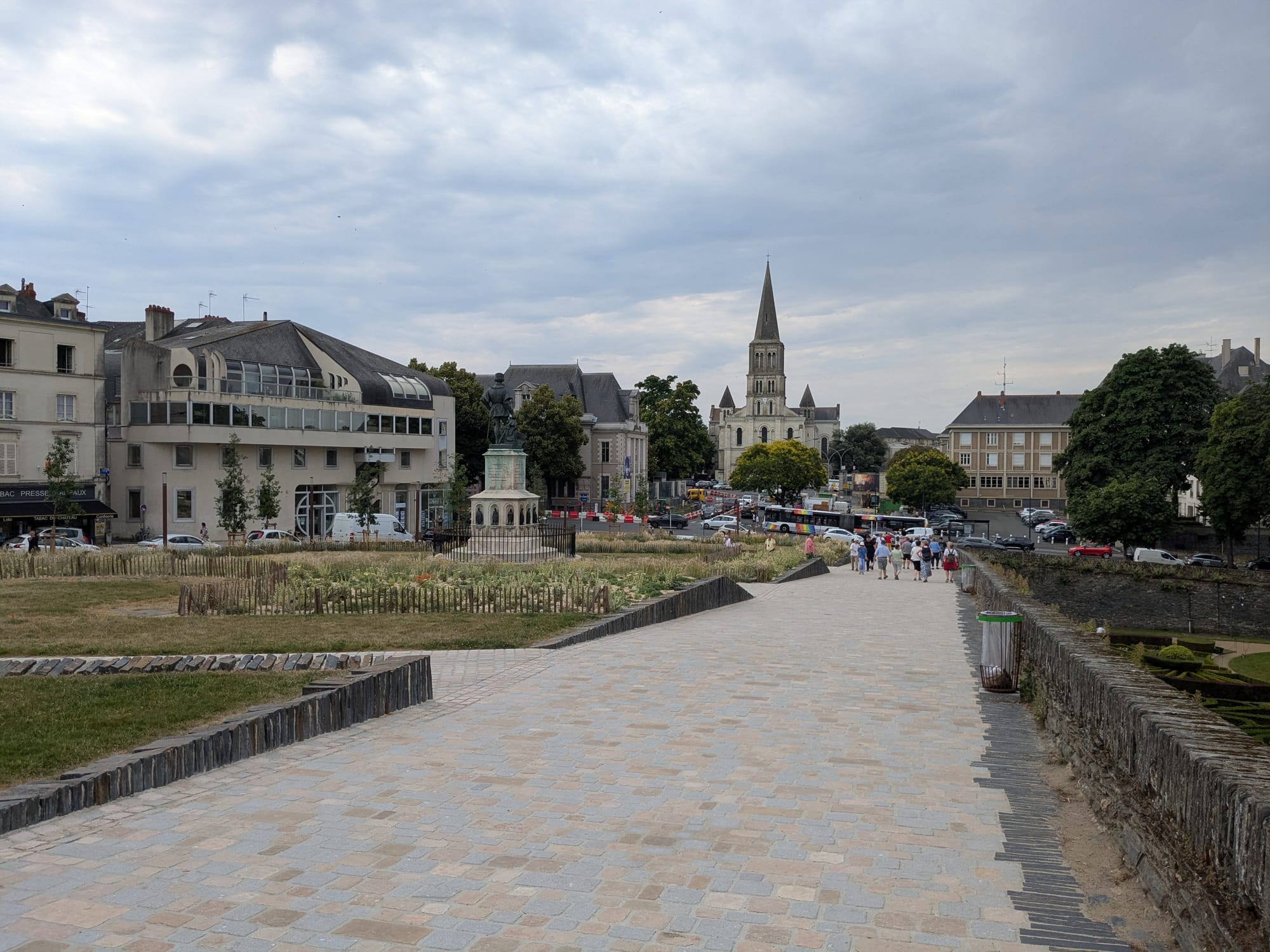
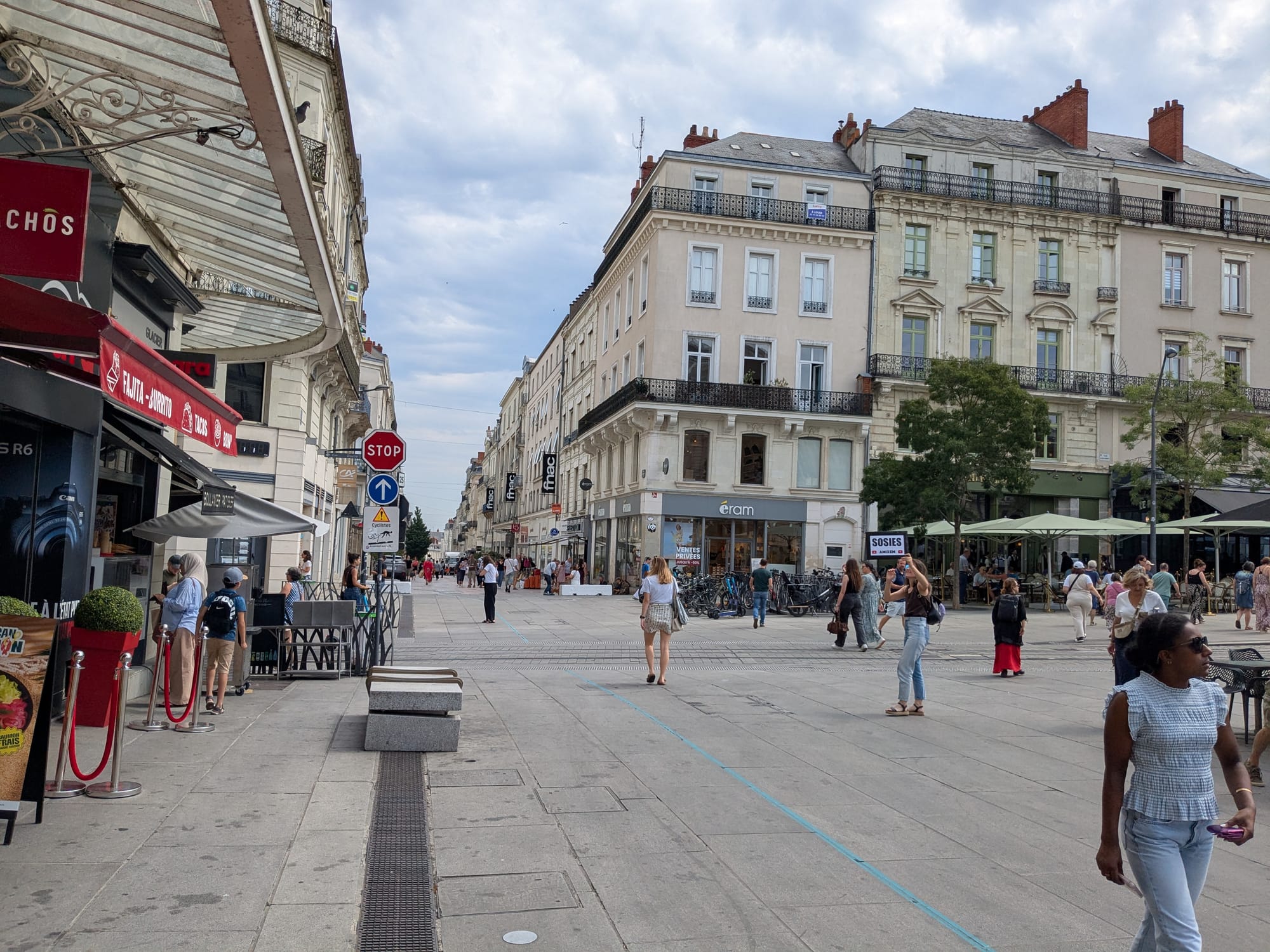
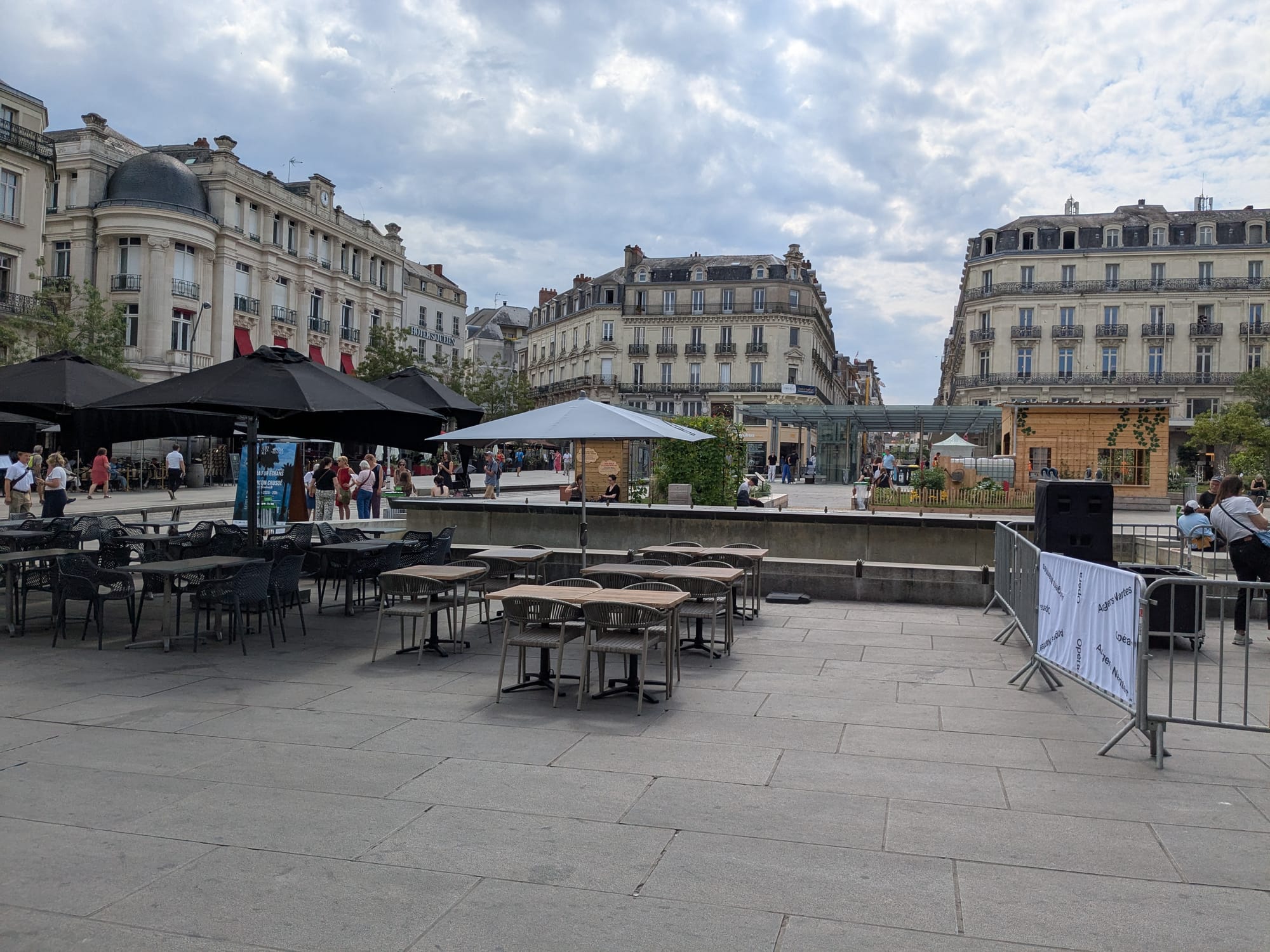
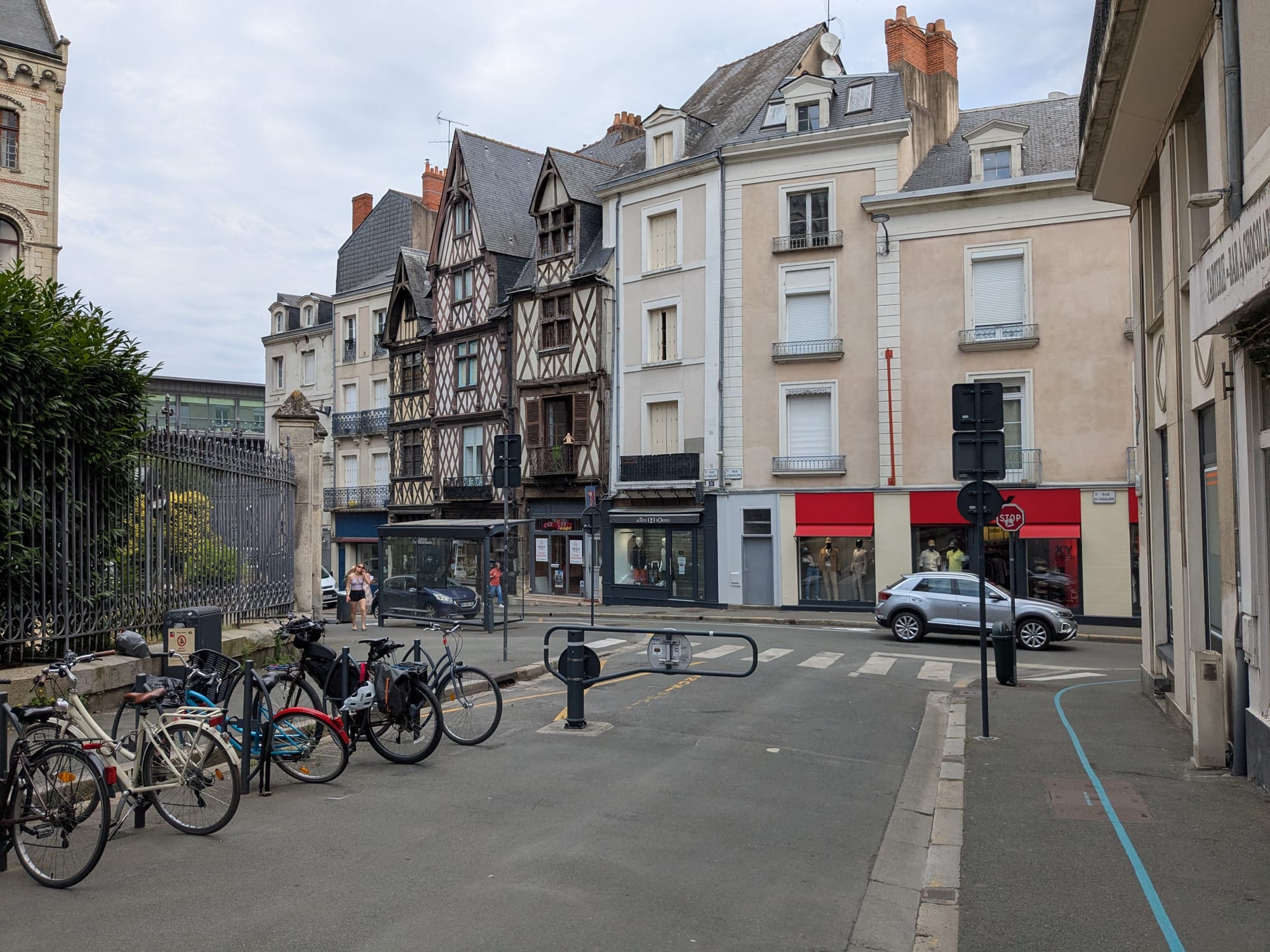
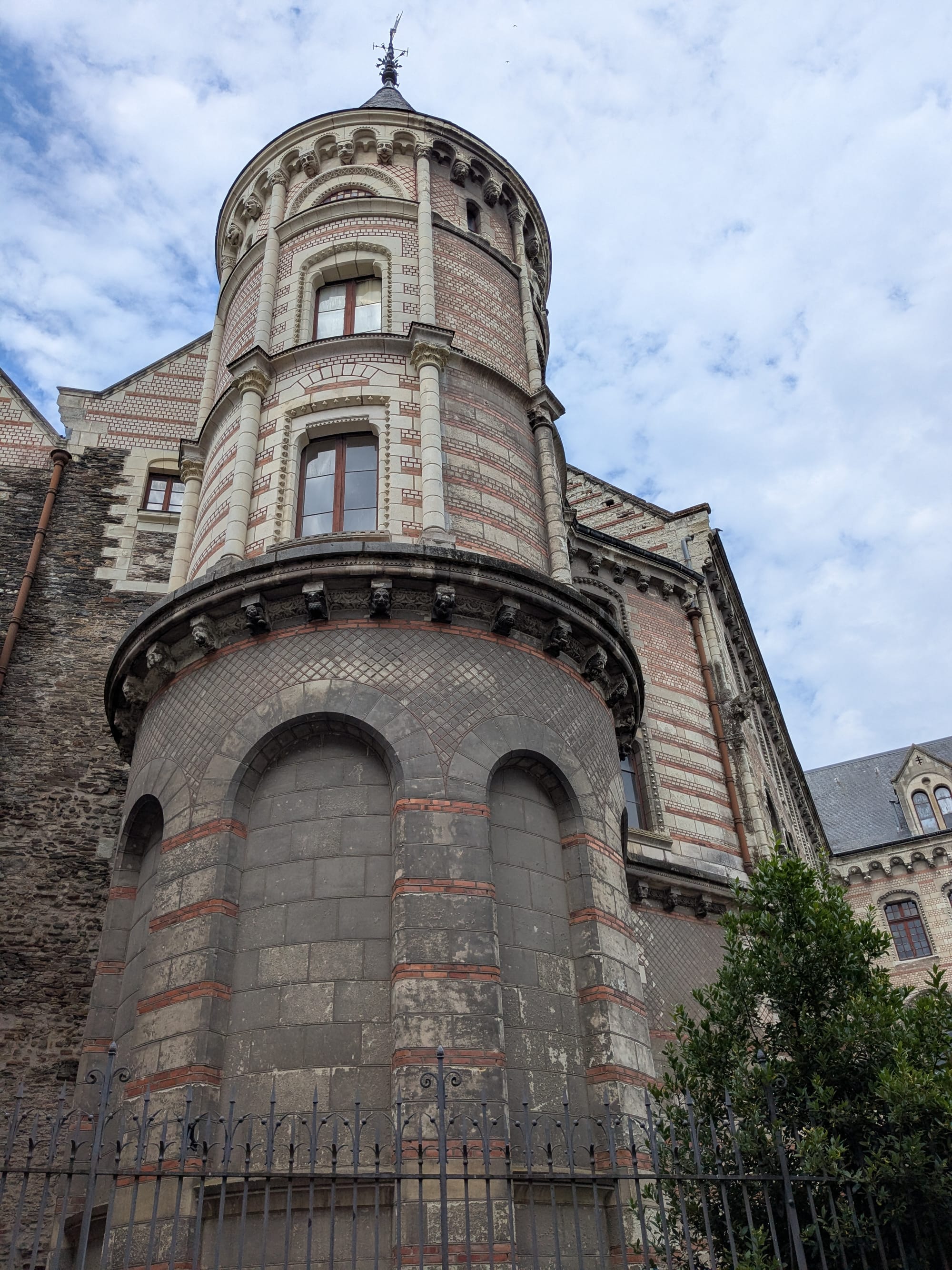
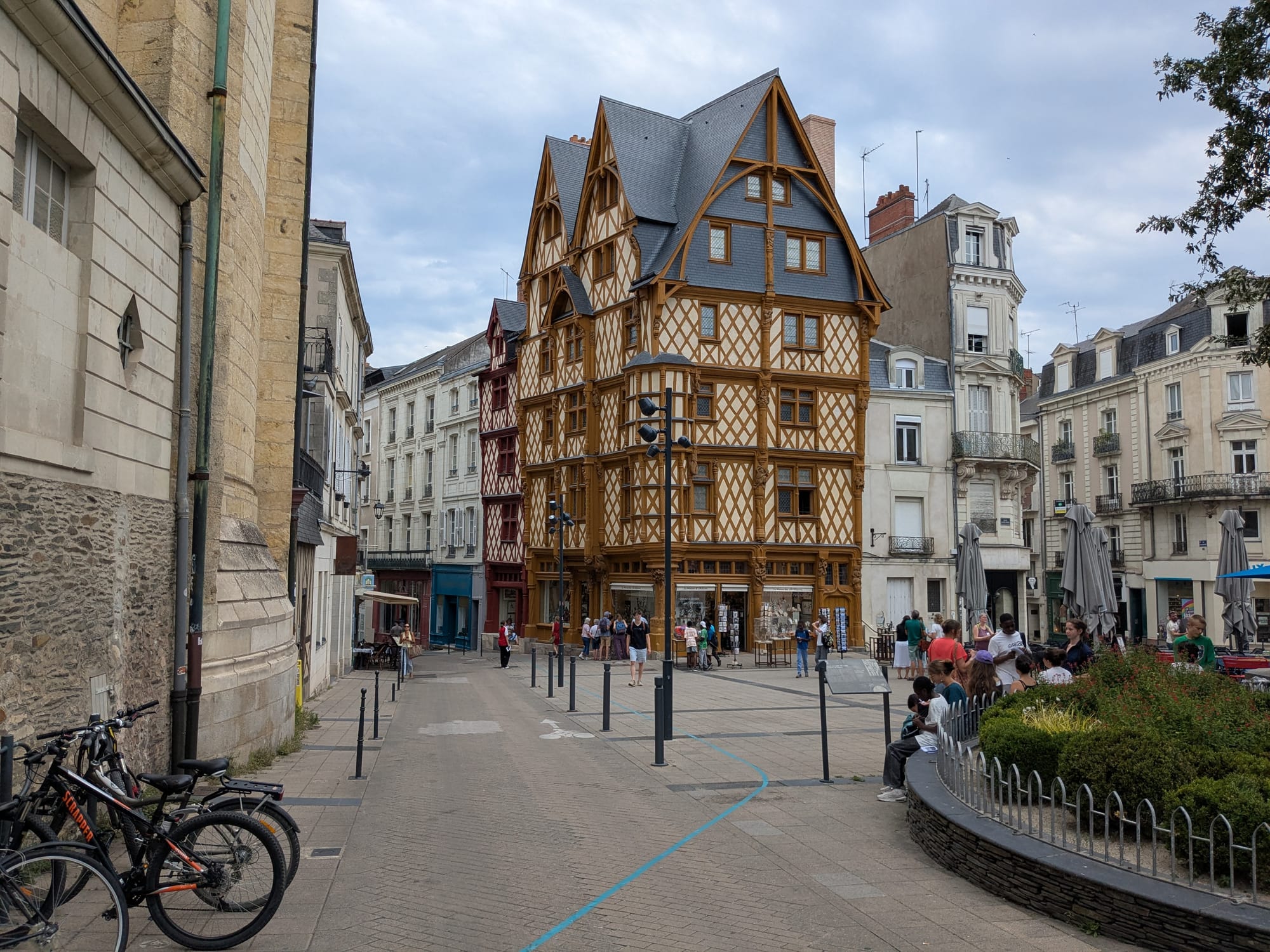
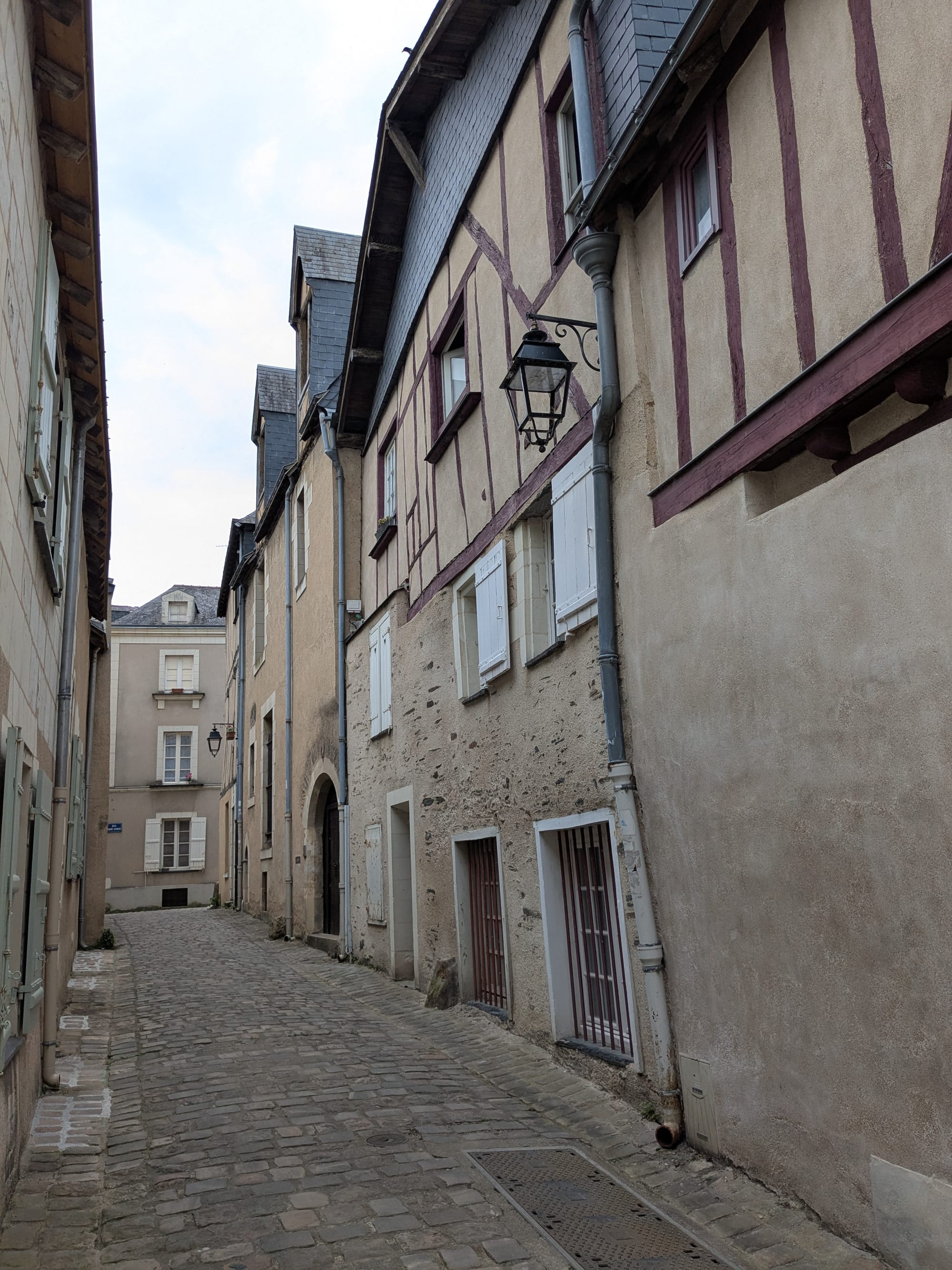
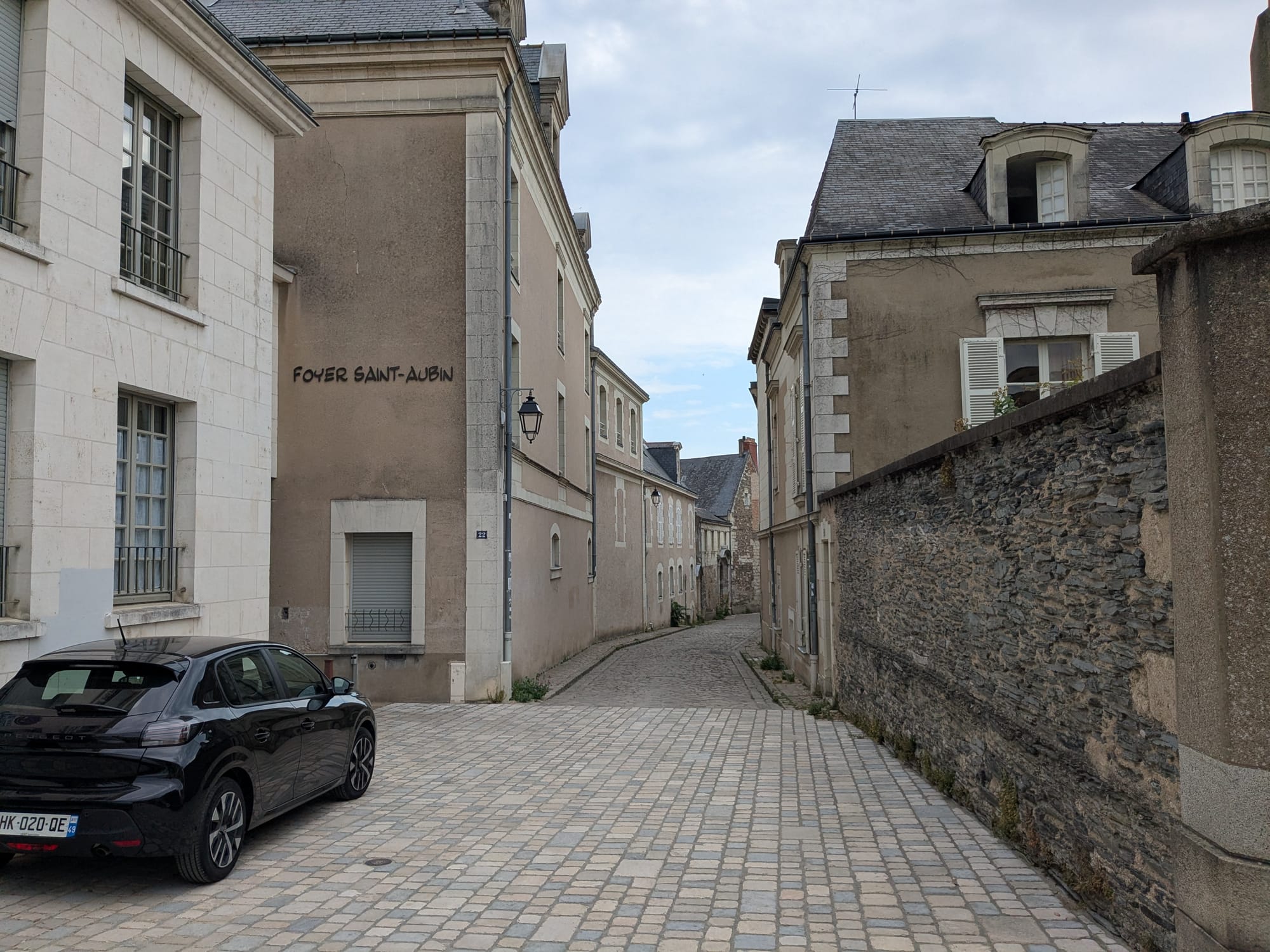
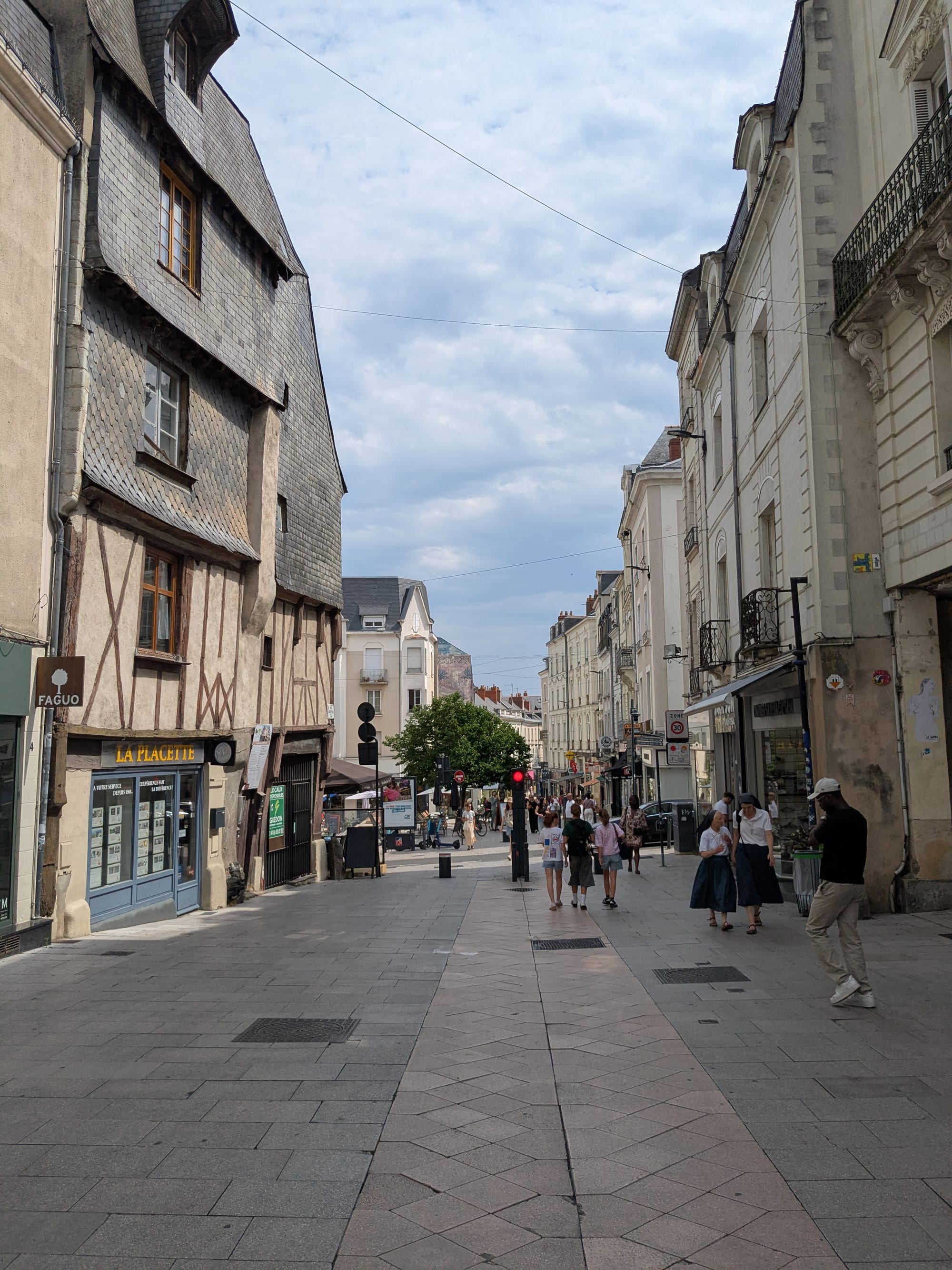
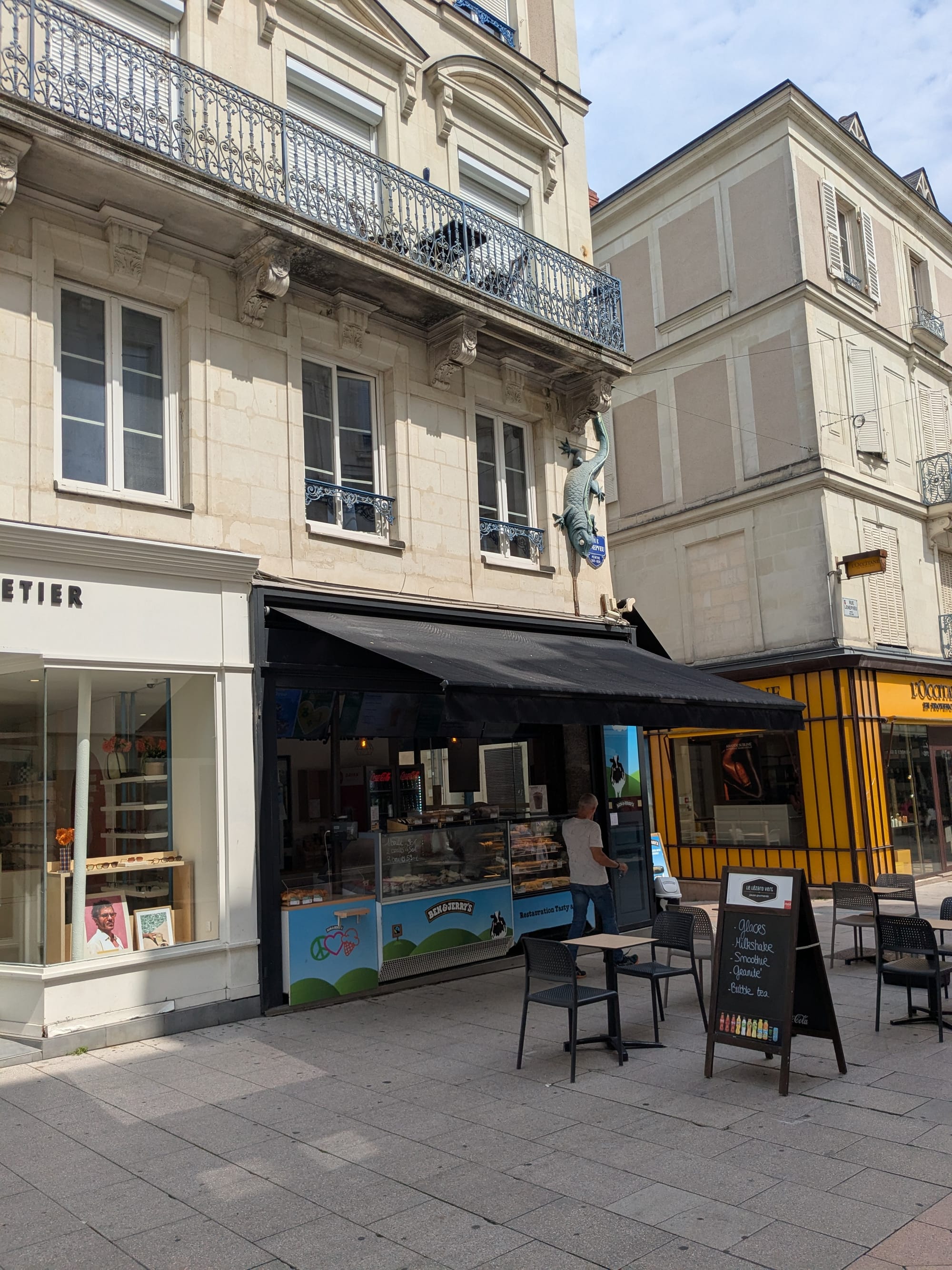
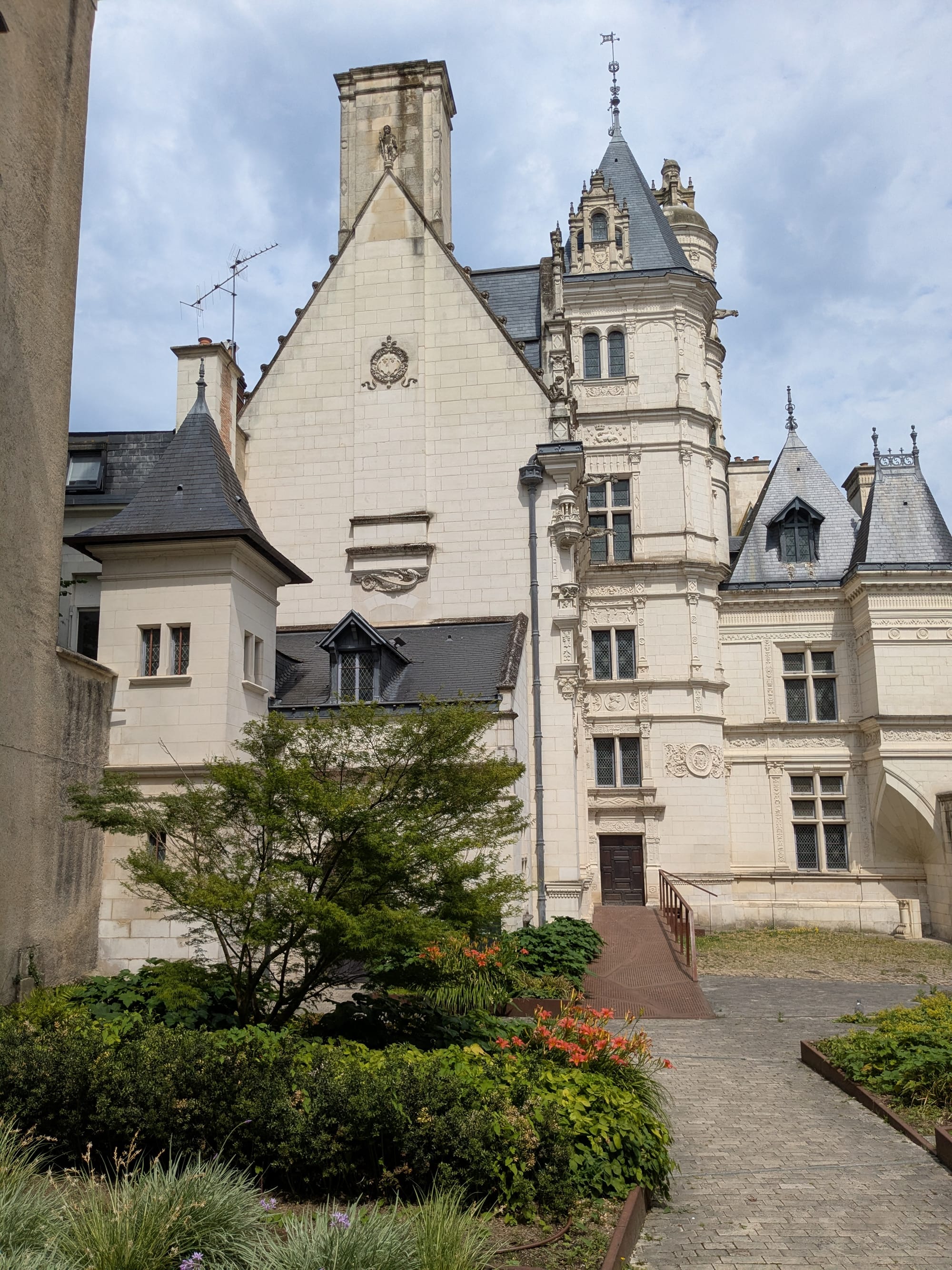
Angers’ streets are a delightful mix of medieval timber-framed houses, elegant stone facades, and cafés that seem to whisper, “You deserve a pastry.” We wandered through narrow lanes, wide boulevards, and the occasional alley that looked suspiciously like it had been designed for people much smaller than us.
Every corner revealed something new — a quirky shop, a hidden courtyard, or a building that looked like it had survived at least three wars and one particularly rowdy medieval festival.
The Cathedral: A Masterclass in Medieval Dramatic Architecture
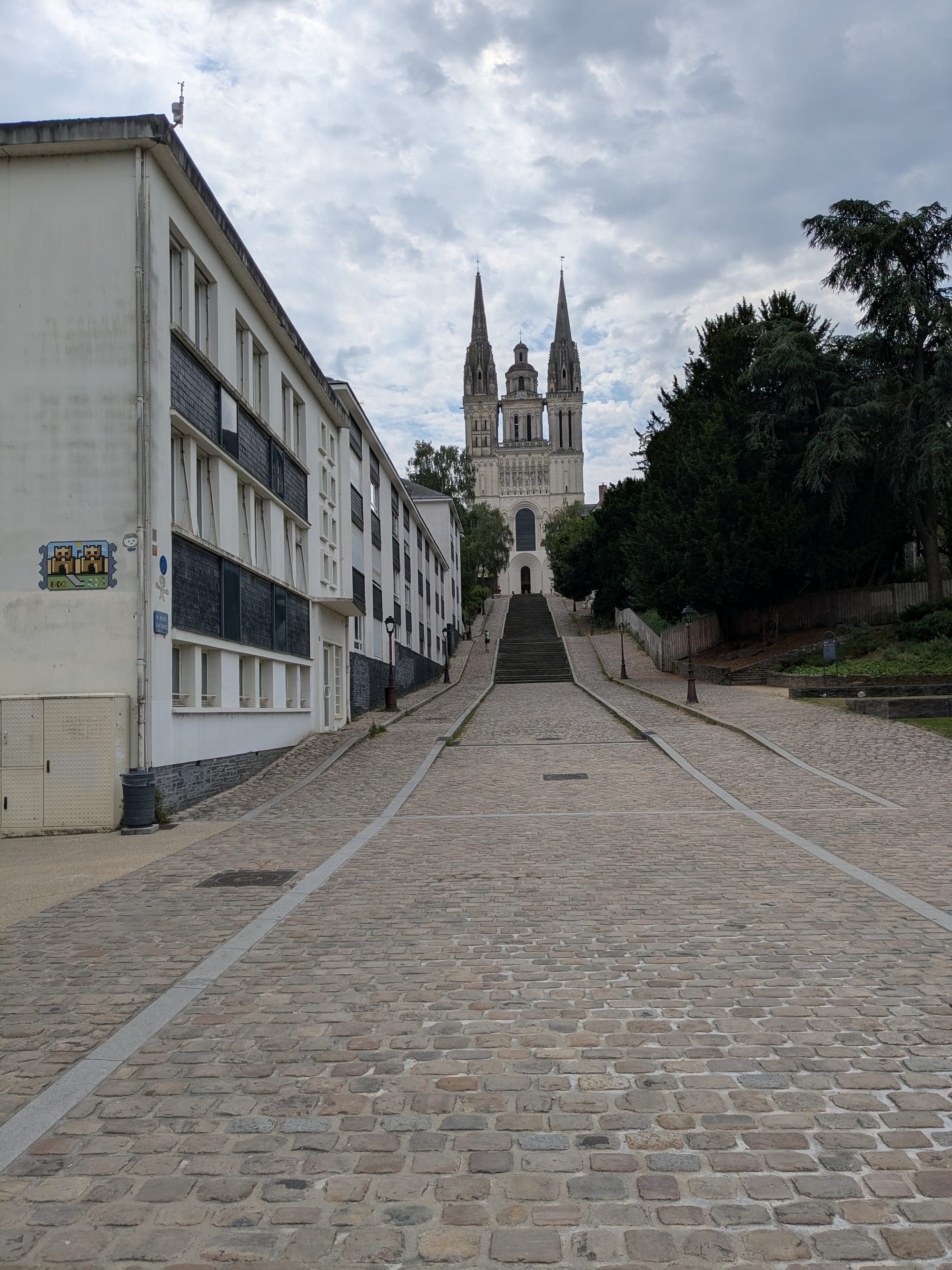
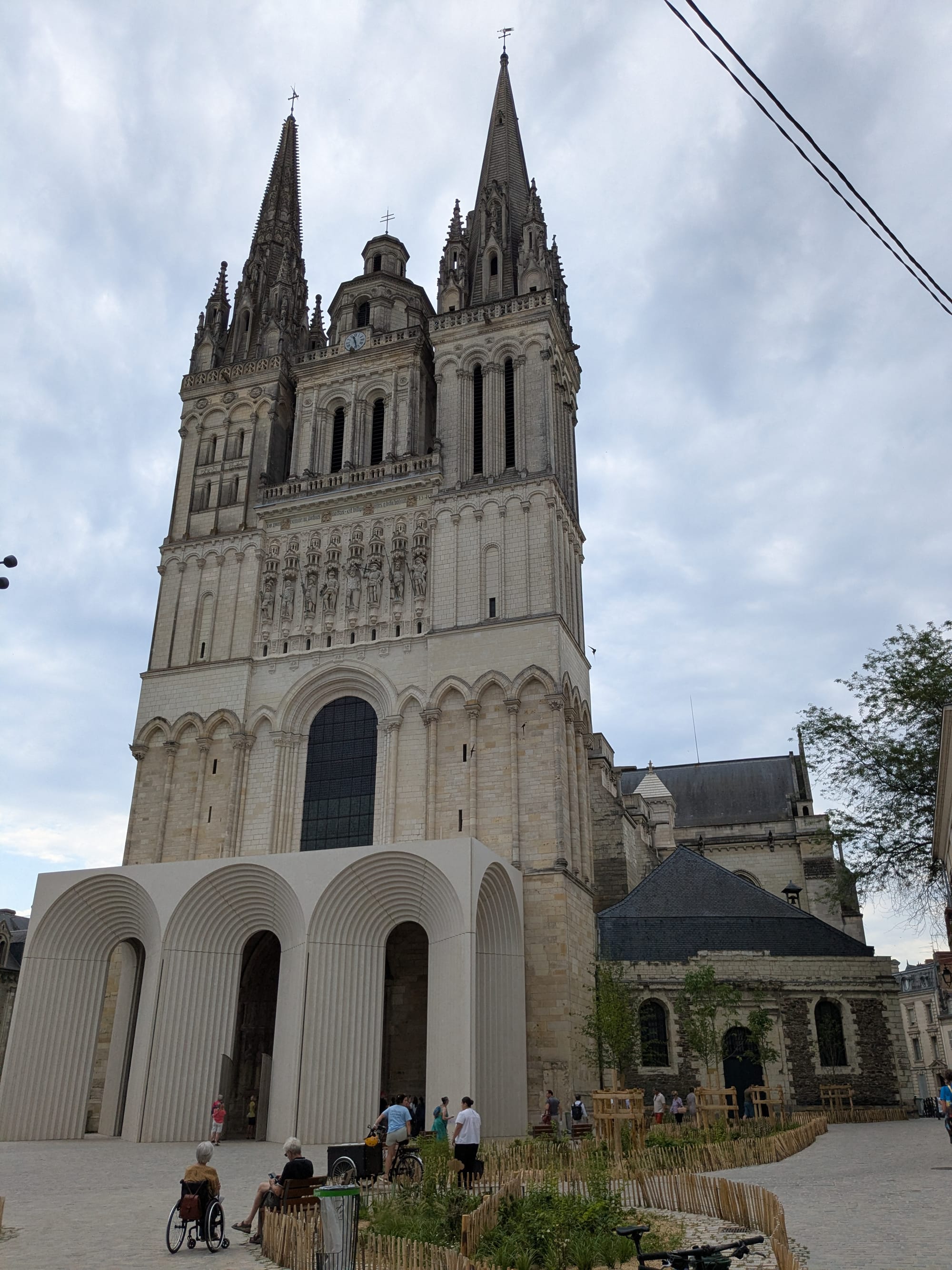
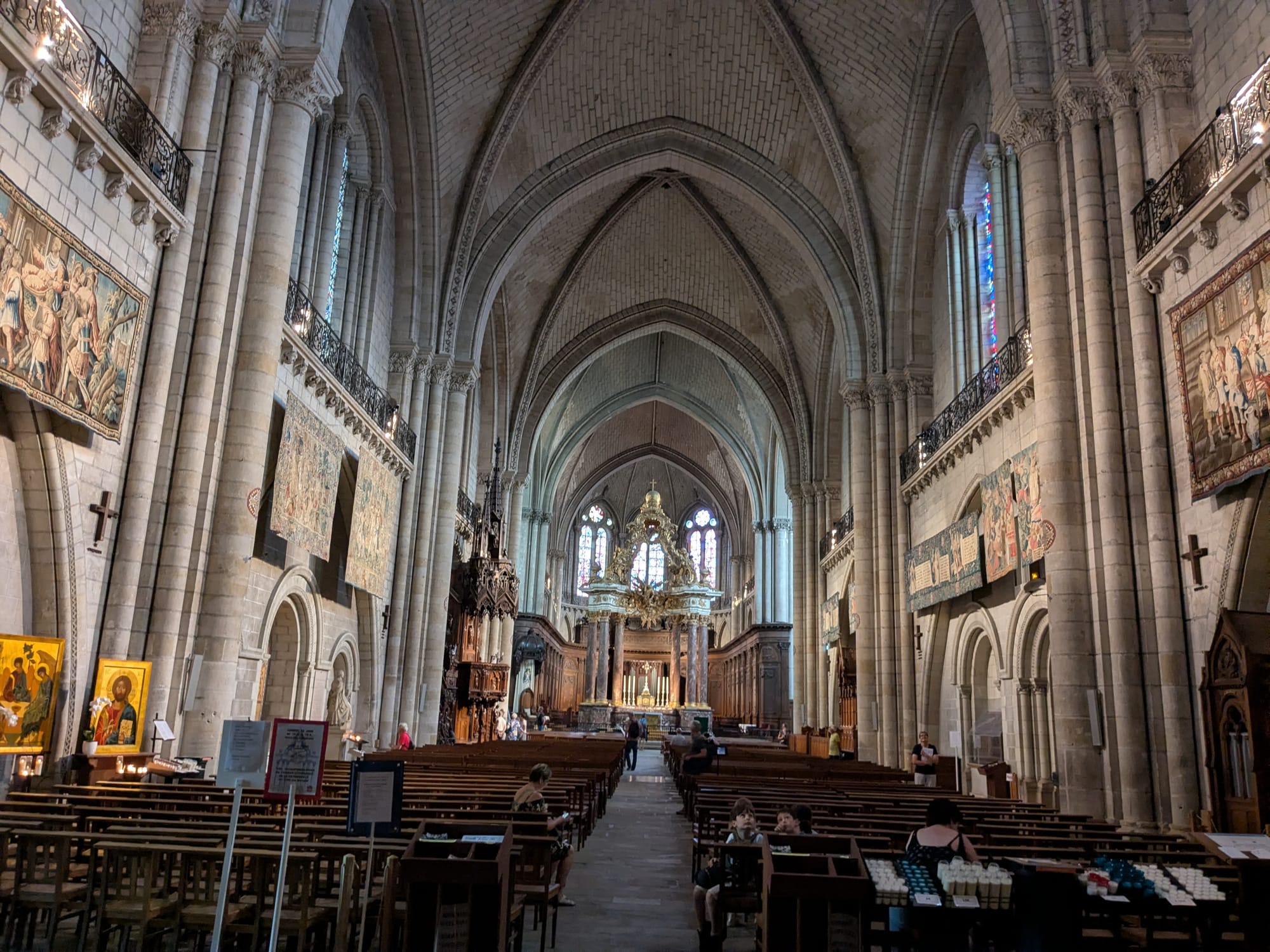
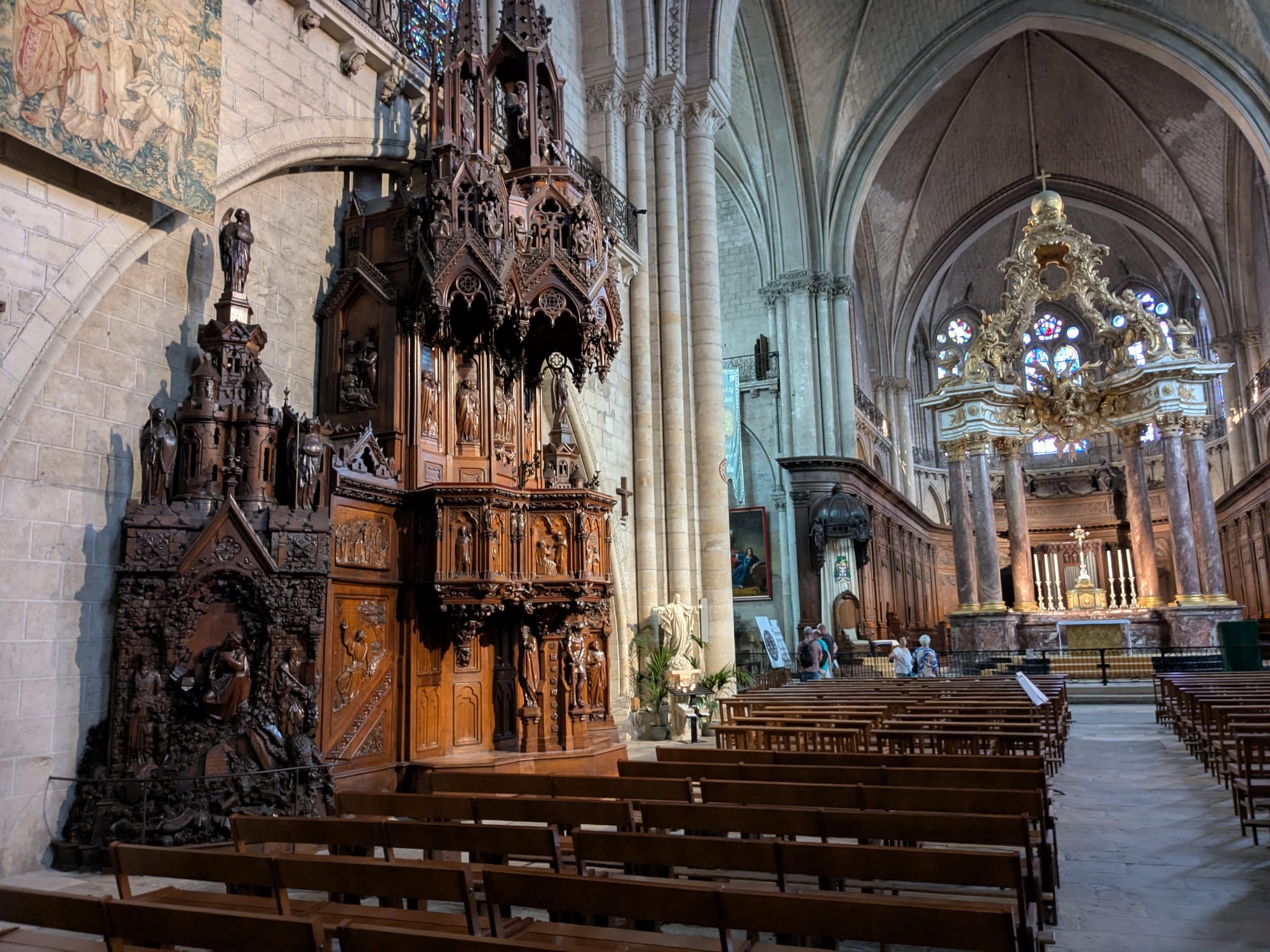
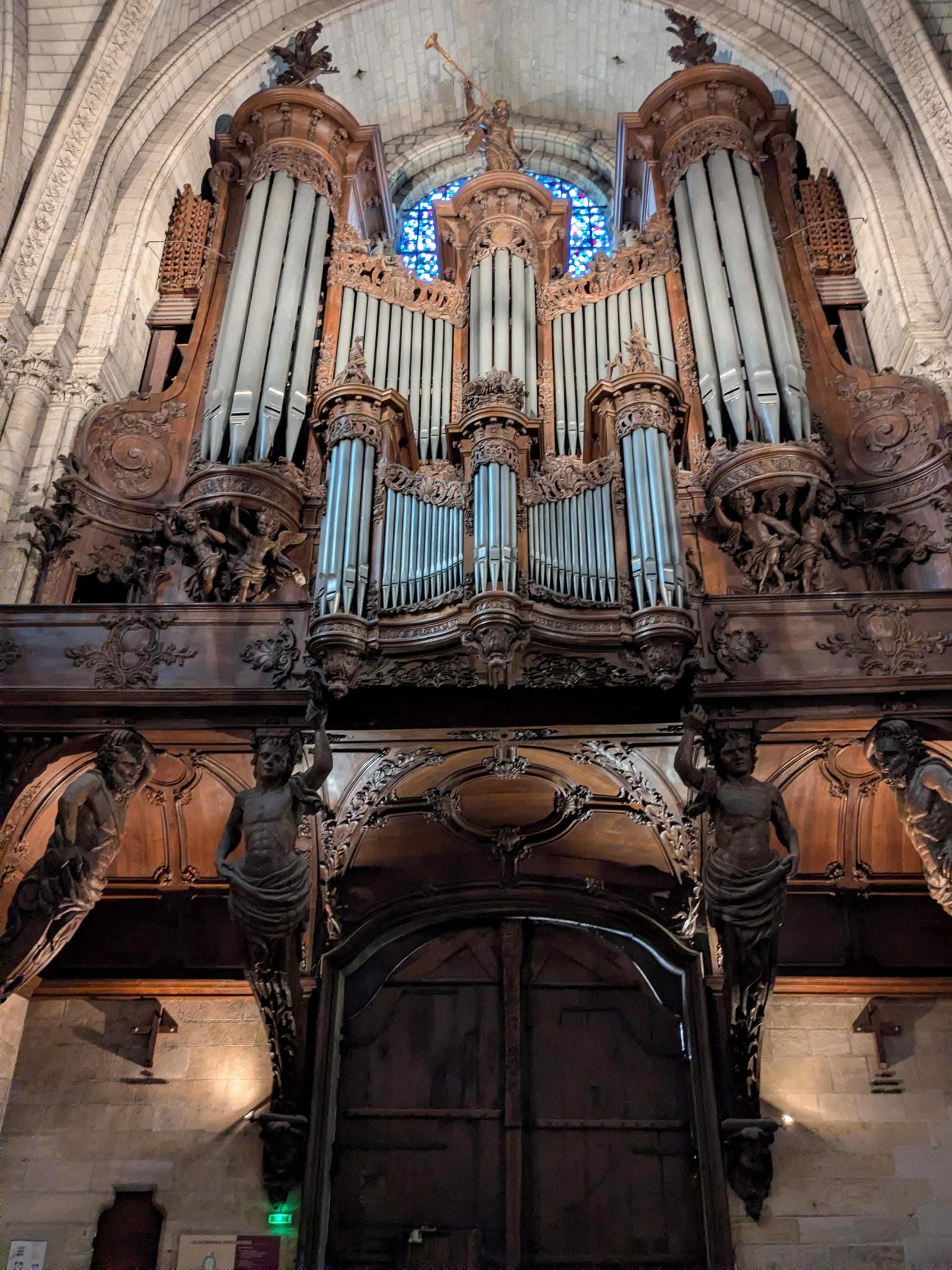
Angers Cathedral, officially the Cathédrale Saint-Maurice, rises above the city like a stone exclamation mark. It’s one of those buildings that makes you say “Wow” even if you’ve already seen 14 cathedrals this week.
Inside, the stained glass glows like someone installed medieval mood lighting. Outside, the twin spires point skyward as if trying to get better Wi-Fi.
We stood there, appreciating the craftsmanship, the history, and the fact that medieval builders somehow managed all this without power tools, laser levels, or YouTube tutorials.
Walking the Walls: Medieval Defence Meets Modern Exercise
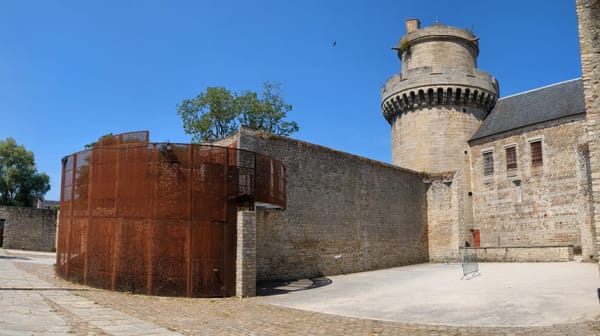
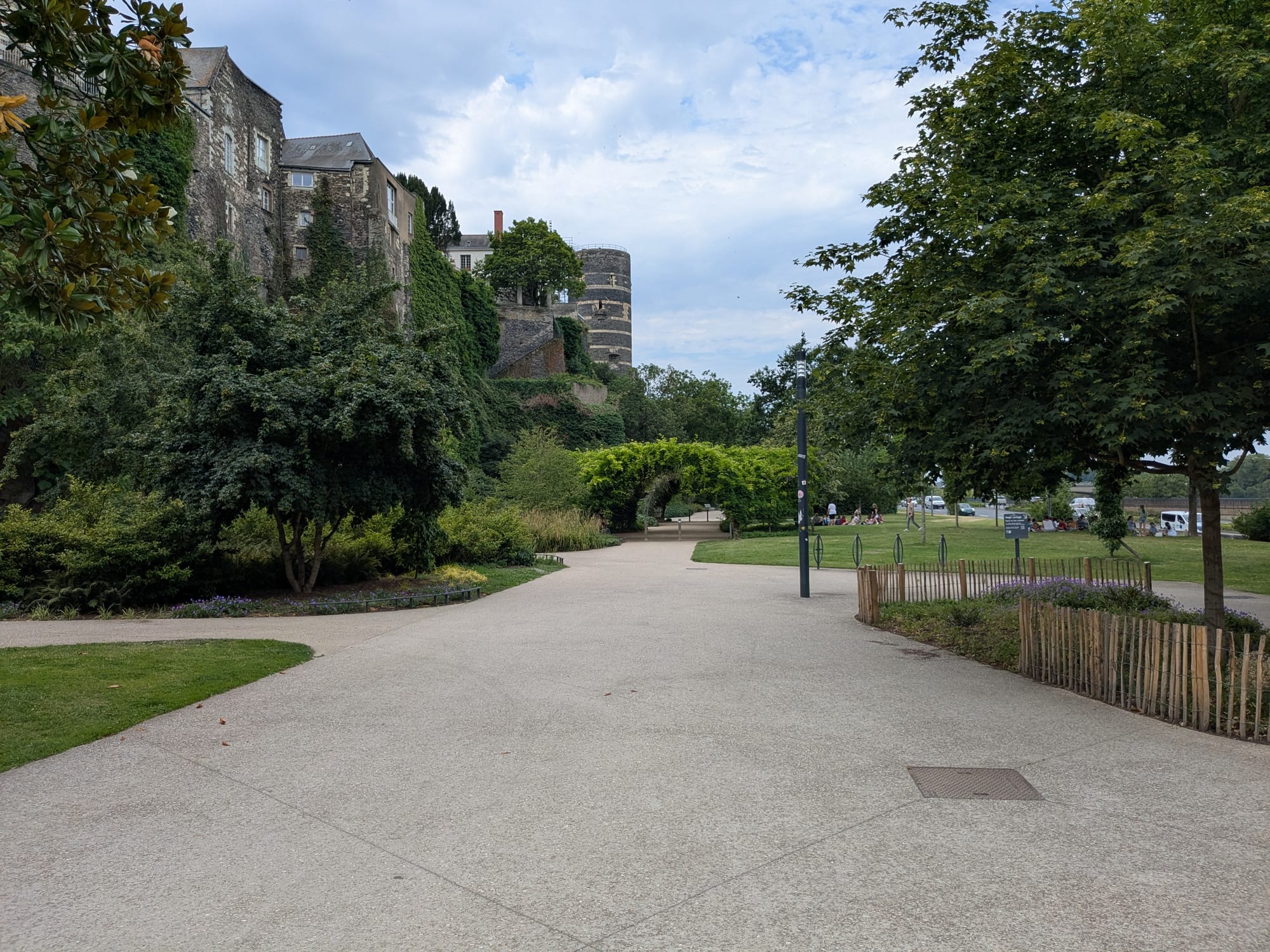
Angers’ massive fortress walls are the city’s most iconic feature — thick, striped towers built from schist and limestone, giving them a look that’s part castle, part giant medieval liquorice allsort.
We walked along the ramparts, imagining knights, sieges, and the general chaos of medieval life. In reality, the only danger was the occasional steep step and the temptation to take far too many photos.
The views over the city were spectacular. The breeze was perfect. And the walls themselves? Solid enough to survive centuries of conflict and two British tourists trying to find the best angle for a selfie.
Final Thoughts: Angers, You’re a Gem
Angers surprised us. It’s historic without being stuffy, lively without being overwhelming, and scenic without requiring a mountain hike to enjoy it. Cycling in was easy, wandering around was delightful, and the mix of cathedral, castle walls, and charming streets made it feel like stepping into a medieval storybook — just with better food and fewer plagues.
Another brilliant stop on the campervan adventure. And yes, we absolutely rode back to the van feeling smug about our cultural achievements for the day.